Skip to content

Why Choose Solar Energy Panels for Home Use?

Why Choose Solar Energy Panels for Home Use?

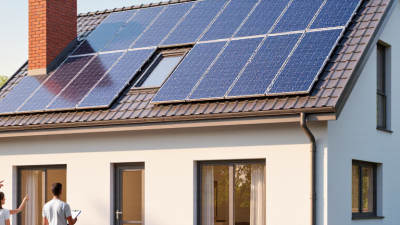
Electricity costs are reshaping household decisions. Solar energy panels for home can turn unused roof space into a small power station. Sunlight reaches the modules, direct current flows through an inverter, and usable electricity enters the home. The process is quiet and visible. A smart meter can show production in real time, sometimes while coffee is brewing.

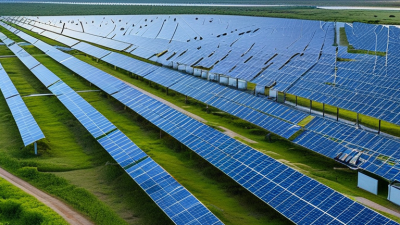
The International Energy Agency reported that global solar photovoltaic capacity expanded by about 420 gigawatts in 2023. Its Renewables 2024 report expects solar power to remain the largest source of new renewable capacity through 2030. These figures show strong industry momentum, but they do not guarantee equal savings for every household. Roof direction, shading, local tariffs, installation quality, and battery prices still matter. Real homes are less predictable than charts.

The U.S. Department of Energy recommends evaluating energy use, roof condition, solar access, and local incentives before installation. The National Renewable Energy Laboratory also provides tools for estimating rooftop production by location. A homeowner should review several proposals, warranty terms, equipment certifications, and projected annual output. Ask who maintains the system after installation. That question is often overlooked.

Solar is not automatically the cheapest choice. Poorly estimated shade, an aging roof, or low daytime electricity use can weaken the financial case. However, a well-designed system may reduce grid purchases, provide longer-term price stability, and lower household emissions. Its value depends on evidence, not promises. A careful assessment makes the decision more reliable.

Why Choose Solar Energy Panels for Home Use?

Solar PV Basics: How Rooftop Panels Generate Clean Electricity

Why Choose Solar Energy Panels for Home Use?

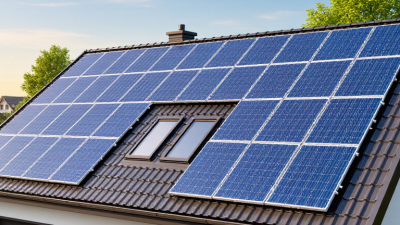
Solar photovoltaic panels turn sunlight into usable electricity through semiconductor cells. When sunlight strikes these cells, it creates direct current, or DC power. An inverter then changes DC power into alternating current, which household appliances use. The process is quiet and produces no exhaust during operation.

Rooftop panels work best with clear exposure and limited shade. A chimney shadow can reduce output across several panels, not just one. Roof angle, local weather, and seasonal sunlight also affect generation. A professional assessment should check structural strength, wiring, ventilation, and expected annual production. Do not trust a perfect estimate. Real results may vary, and that deserves honest review. Extra electricity can charge a battery or flow to the grid, depending on local rules and available equipment.

Tips: Track your electricity use before choosing a system. Clean panels only when dirt noticeably affects production, and follow safe maintenance guidance. Ask for written estimates, equipment warranties, and installation qualifications. Leave room for future changes, such as an electric vehicle or battery. Small details matter.

Efficiency Explained: Modern Residential Modules Reach About 20–23%

Why Choose Solar Energy Panels for Home Use?

Modern residential solar modules typically convert about 20–23% of incoming sunlight into electricity. That figure sounds modest, but it matters on a small roof. Under standard test conditions, a 1.7-square-meter panel receiving 1,000 watts per square meter could produce roughly 340–390 watts. Real output changes with heat, shading, dust, roof direction, and wiring losses. Fraunhofer Institute’s Photovoltaics Report 2024 places leading commercial crystalline-silicon modules near 22% efficiency, supporting this residential range.

Efficiency can reduce the roof area needed for a useful system. The International Energy Agency Photovoltaic Power Systems Programme reported continued efficiency gains and falling system costs in its 2024 market trends review. A higher-efficiency panel may produce more power during limited winter sunlight. It can also leave space for future expansion. However, efficiency is not the same as annual energy yield. A shaded 23% module may underperform a well-positioned 20% module.

The U.S. National Renewable Energy Laboratory’s efficiency chart shows laboratory silicon cells exceeding 26%. That result is impressive, but it should not be confused with an installed household panel. I once viewed the percentage as the main buying decision. That was too simple. Temperature coefficients, local solar irradiance, inverter performance, and degradation deserve equal attention. According to NREL’s PVWatts guidance, production estimates should use local weather and system losses, not rated power alone. Ask for an itemized estimate. Check the assumptions carefully. Efficiency helps, but the roof still tells the real story.

Cost Benefits: Solar Module Prices Have Fallen Over 90% Since 2010

Why Choose Solar Energy Panels for Home Use?

Cost Benefits: Solar Module Prices Have Fallen Over 90% Since 2010

Solar energy panels have become far more affordable since 2010. Industry data shows that module prices have dropped by more than 90% in many markets. This change has reduced the entry cost for homeowners. A typical rooftop system can now produce electricity for decades, while sunlight remains free. That combination makes monthly energy planning easier.

The savings become clearer through daily experience. On a sunny afternoon, panels may power appliances while the household uses electricity normally. A smart meter can show production in real time. Homeowners can compare that output with their utility bills each month. Still, panels are only one part of the purchase. Inverters, wiring, roof preparation, permits, labor, and maintenance also affect the final price. Installation quality matters.

The calculation is not perfect. Electricity rates vary by location, and cloudy seasons can reduce production. A shaded roof may need fewer panels or a different design. Reliable advice should include a roof inspection, local sunlight data, estimated payback, and possible repair costs. Certified installers and public energy agencies can help verify these figures. I would not trust a promise of instant savings. A careful quote, realistic usage records, and several years of planning usually provide a more honest picture. Payback can take time.

Why Choose Solar Energy Panels for Home Use? - Cost Benefits: Solar Module Prices Have Fallen Over 90% Since 2010

Cost or Performance Dimension Around 2010 Recent Reference Level Change or Homeowner Benefit
Solar module price About US$1.80 per watt About US$0.15 per watt in 2023 Approximately 92% lower
Typical residential solar-system cost Approximately US$6.00–US$7.00 per watt before incentives Approximately US$2.68 per watt in the United States in 2023 Lower upfront cost per unit of capacity
Example 6 kW residential system price About US$36,000–US$42,000 before incentives About US$16,080 before incentives, using US$2.68/W Illustrative hardware and installation savings of roughly 55%–62%
Solar module operating life Common design expectation: about 25 years Many current systems are designed for 25–30 years or more Long service life spreads the initial investment over many years
Annual module degradation Approximately 0.5%–0.8% per year for crystalline-silicon modules Approximately 0.25%–0.5% per year for many modern modules More predictable long-term electricity production
Fuel cost during operation No fuel cost for sunlight No fuel cost for sunlight Protects part of household electricity use from fuel-price volatility
Routine maintenance Generally low; occasional inspection and cleaning Generally low; monitoring and occasional cleaning may be required Lower routine operating costs than fuel-based generation
Lifecycle greenhouse-gas emissions Solar power is a low-carbon electricity source Approximately 20–50 g CO2-equivalent per kWh across the lifecycle, depending on technology and location Can reduce household electricity-related emissions

Notes: Historical and recent figures are rounded reference values. Actual residential costs vary by system size, roof design, labor, permitting, financing, storage, local electricity prices, and available incentives. The 6 kW example multiplies system capacity by the stated cost per watt and excludes batteries, taxes, financing, and incentives.

Sources: International Renewable Energy Agency, Renewable Power Generation Costs; National Renewable Energy Laboratory, U.S. Solar Photovoltaic System and Energy Storage Cost Benchmarks; International Energy Agency Photovoltaic Power Systems Programme; Intergovernmental Panel on Climate Change lifecycle-emissions assessments.

Energy Independence: Global Solar PV Capacity Grew by 456 GW in 2023

Why Choose Solar Energy Panels for Home Use?

Global solar PV capacity grew by 456 GW in 2023, showing how quickly solar power is expanding. This growth reflects falling equipment costs, improved technology, and stronger public investment. It also reveals a practical shift: households want more control over their electricity.

A rooftop system can reduce dependence on changing grid prices. It can also provide daytime power for cooling, cooking, and charging devices.

The experience begins with the roof. A professional installer should check its direction, angle, age, and partial shade. Even a small chimney shadow can reduce production during key hours.

Monitoring software then shows daily output, which helps homeowners notice faults early. Battery storage may support evening use, but it adds cost, weight, and maintenance needs. It is not automatically the best choice.

Solar is powerful, but it is not effortless.

Output falls on cloudy days and stops at night without storage. Local rules, roof conditions, and household demand can change the financial result. I would also question optimistic payback promises.

A careful assessment should include installation, repairs, cleaning, inverter replacement, and future electricity prices. The global 2023 growth figure proves strong momentum, not identical savings for every home.

A well-designed system can improve energy independence while keeping expectations realistic.

Climate Impact: Solar PV Lifecycle Emissions Average About 41 g CO₂e/kWh

Why Choose Solar Energy Panels for Home Use?

Climate impact deserves more attention than rooftop appearance or monthly savings. Solar photovoltaic systems produce electricity without burning fuel during operation. Their emissions mainly come earlier, during material extraction, manufacturing, transport, installation, maintenance, and recycling. Peer-reviewed lifecycle assessments estimate average emissions at about 41 g CO₂e per kWh. That number matters.

For a household, this figure makes solar power substantially cleaner than electricity generated from coal or natural gas. A south-facing roof, limited shading, and durable panels can improve real-world performance. In practice, output changes with clouds, dust, seasonal sunlight, and inverter efficiency. Homeowners should examine local generation estimates, not rely on ideal laboratory results. Small details count.

The 41 g figure is an average, not a guarantee. Manufacturing energy sources, panel efficiency, system lifetime, and recycling practices can raise or lower it. Batteries may improve backup resilience, but their production adds materials and emissions. That trade-off deserves honest attention. A careful installer should explain expected output, maintenance needs, roof condition, and end-of-life handling in clear language. Solar is cleaner, though never impact-free.