Why Choose Solar Panels on the Ground for Your Energy Needs?
As the world seeks sustainable energy solutions, solar panels on the ground emerge as a viable option. Ground-mounted systems provide flexibility and efficiency, making them suitable for various settings. They are not restricted by rooftop space and can harness maximum sunlight throughout the day.
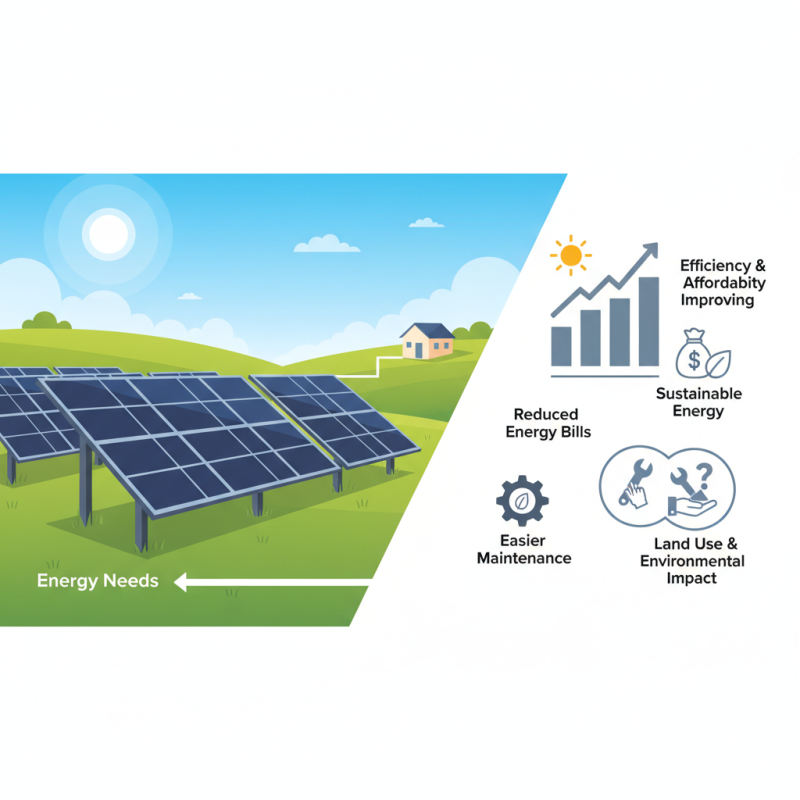
Choosing solar panels on the ground allows for larger installations. This can be particularly beneficial for agricultural or open land applications. The accessibility of these systems makes maintenance easier. However, one must consider potential land use conflicts and the environmental impact of installation. Careful planning is essential.
Adopting solar panels on the ground can be a reliable investment. It not only reduces energy bills but also helps in becoming energy independent. With evolving technology, the efficiency and affordability of ground-mounted systems continue to improve. Still, prospective users should weigh the benefits against challenges such as land costs and regulations.
Types of Solar Panel Installations: Ground vs. Roof
When considering solar panel installations, ground setups and roof-mounted systems each have their own unique benefits. Ground-mounted solar panels typically allow for greater flexibility in terms of positioning. They can be oriented in the most effective angle for sunlight exposure. This can significantly increase energy generation compared to roof installations, which are limited by the roof's design and orientation.
However, there are challenges with ground installations. Space requirements can be an issue, especially in urban areas. If space is limited, it may be difficult to install ground panels. Additionally, ground installations may require more maintenance. They can be exposed to wildlife, debris, and other environmental factors that could affect performance.
Roof-mounted solar panels are usually less intrusive and occupy no additional land. They can be ideal for homeowners looking to maximize their energy efficiency without compromising yard space. Yet, roof angles, shading from trees, and the type of roofing material may hinder efficiency. Each option has its merit. Ultimately, the choice depends on individual needs and circumstances.
Advantages of Ground-Mounted Solar Panels Over Other Types
Ground-mounted solar panels offer distinct advantages for energy generation. One primary benefit is their higher efficiency compared to roof-mounted systems. According to the National Renewable Energy Laboratory (NREL), ground-mounted arrays can capture more sunlight due to optimal positioning and fewer obstructions. This leads to up to 20% more energy production, making them an attractive option for both residential and commercial applications.
Another advantage is the flexibility in design and installation. Ground-mounted systems can be tailored to various spaces, including fields and vacant lots. They are easier to maintain as they allow for straightforward access for cleaning and repairs. Additionally, data from the Solar Energy Industries Association (SEIA) suggests that these installations often come with longer warranties, which can ensure reliability over decades. However, site preparation can be more complex. Land grading and permitting may delay installation and add unexpected costs, which require careful consideration.
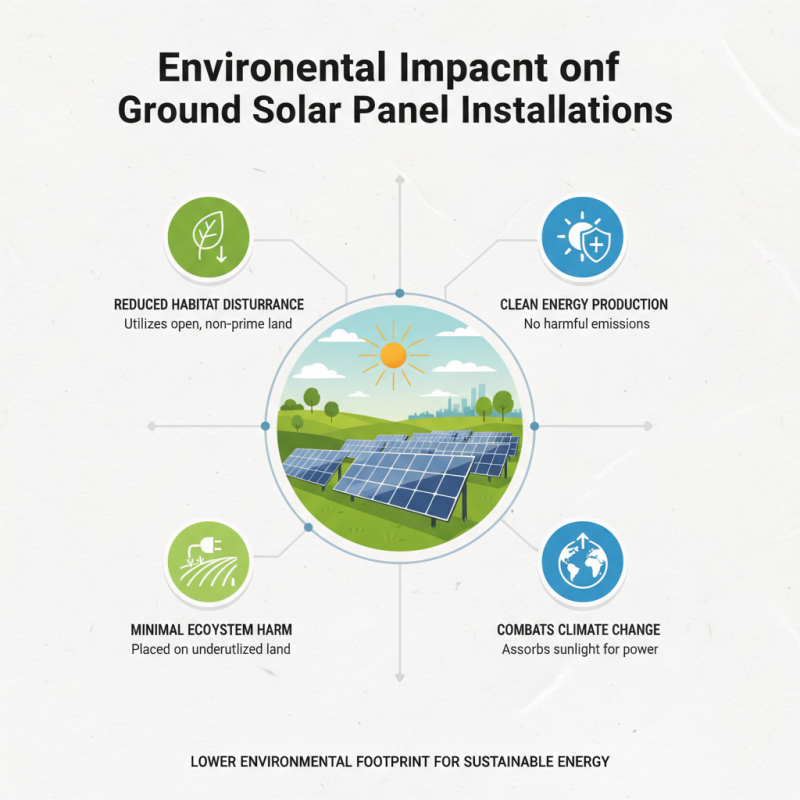
The environmental impact of these systems should also be contemplated. Ground-mounted solar panels can disrupt local ecosystems if not sited properly. Local wildlife and vegetation may be affected, highlighting the need for thoughtful project planning. While they provide substantial energy benefits, the balance between renewable energy and ecological preservation is vital.
Considerations for Choosing Ground Solar Panels for Your Property
When considering ground-mounted solar panels, several key factors come into play. The available space on your property is crucial. Ground systems typically require more land than roof-mounted panels. Be sure to evaluate the layout of your yard or field. Trees or buildings can cast shadows, affecting efficiency. It's essential to conduct a site assessment. This ensures optimal sun exposure year-round.
Another consideration is the installation process. Ground solar panels can often be easier to install than those on rooftops. However, they still require significant groundwork. You might need to level the area or adjust the landscape. Local zoning laws and building codes may also affect installation. Research these regulations thoroughly to avoid complications.
Cost is an important factor as well. Ground-mounted systems can be pricier due to the additional materials and labor involved. However, they may offer increased energy production and flexibility in design. Think about your long-term energy goals. Analyze your financial situation before making a decision. Remember, invested time and careful planning lead to better outcomes.
Advantages of Ground Solar Panels
Financial Benefits of Ground-Mounted Solar Panels for Homeowners
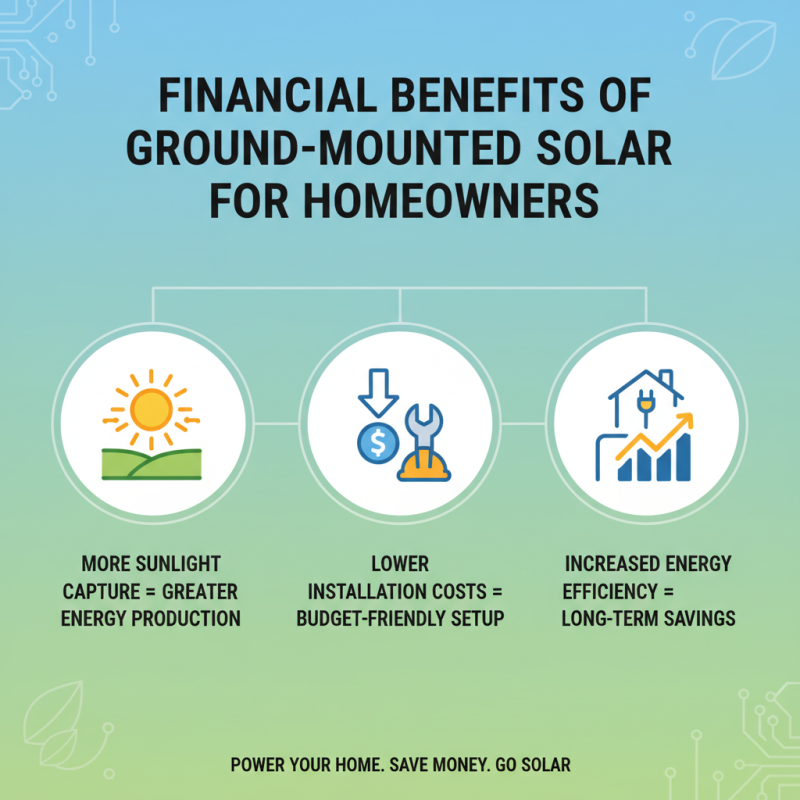
Ground-mounted solar panels offer significant financial advantages for homeowners. Unlike roof-mounted systems, they can capture more sunlight. This is vital for overall energy efficiency. Homeowners can also benefit from lower installation costs. The ground-mounted option can be simpler and cheaper to set up, especially on large properties.
Moreover, they require less maintenance than roof systems. Accessing panels on the ground is easier. This leads to lower long-term costs. Some homeowners find they can save thousands over time. Installing these systems can also increase property value. Potential buyers often seek energy-efficient homes.
However, there can be drawbacks. Ground-mounted systems take up more space. This may not be ideal for smaller lots. Some homeowners might need to consider local regulations or HOA guidelines. Additionally, initial investment costs can be high. It’s crucial to weigh the pros and cons before making a decision.