China Top 10 Ground Mount Solar Racking Suppliers
The global solar market is expanding, but ground mount solar racking remains more than a steel procurement decision. It determines module height, wind response, installation speed, and long-term maintenance access. According to the IEA Photovoltaic Power Systems Programme’s Trends in Photovoltaic Applications 2024, global photovoltaic capacity exceeded 2,000 GW in 2023. That scale increases pressure on suppliers to deliver reliable, repeatable structures.
IRENA’s Renewable Power Generation Costs in 2023 also reported continued cost reductions across utility-scale solar. Yet lower module prices do not remove foundation risks. A poorly matched pile, uneven torque tube, or weak corrosion specification can quietly damage project economics. Small details matter.
Nextracker founder Dan Shugar has described trackers as “the most efficient way to generate solar energy.” His point extends beyond trackers. Every ground mount solar racking supplier must connect structural engineering with energy yield, logistics, and field experience. NREL’s utility-scale solar guidance repeatedly emphasizes site-specific design, quality control, and operations planning. These factors separate a durable system from a convincing brochure.
This Top 10 review examines suppliers through practical criteria: engineering capability, product range, wind and snow testing, corrosion protection, installation workflow, project references, and after-sales support. It will not pretend that one supplier fits every site. Soil conditions vary. So do permitting requirements, labor costs, and tracker preferences.
Some rankings may remain debatable. That is useful. Buyers should challenge marketing claims, request test evidence, and compare delivered performance rather than catalog prices. The strongest suppliers are not always the loudest. They are the ones whose systems keep standing when weather, deadlines, and budgets become uncomfortable.
What Are Ground-Mount Solar Racking Systems?
What Are Ground-Mount Solar Racking Systems?
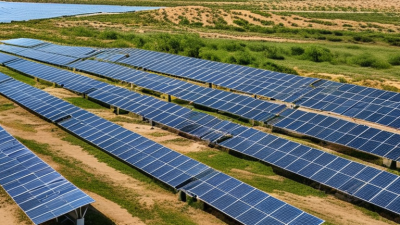
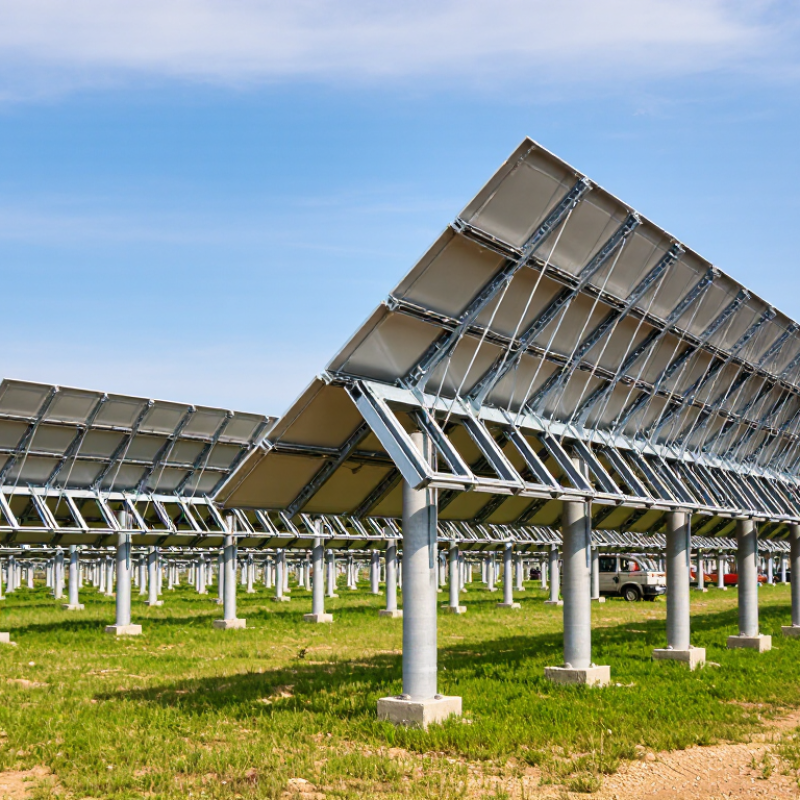
Ground-mount solar racking systems support photovoltaic modules above open land. Unlike rooftop structures, they transfer loads directly into soil or concrete foundations. A typical system includes steel posts, horizontal rails, module clamps, bracing, and grounding components. Some designs use fixed tilt, while others rotate panels to follow the sun. The International Energy Agency Photovoltaic Power Systems Programme reported more than 400 GW of new solar capacity worldwide in 2023. This rapid expansion increases the need for reliable ground-mounted engineering.
Site conditions decide more than panel spacing. Engineers examine soil bearing capacity, frost depth, drainage, wind pressure, snow load, and terrain slope. Driven piles can reduce concrete use, but rocky soil may require ground screws or drilled foundations. Ballasted systems may work where excavation is restricted, although they need careful stability checks. The U.S. National Renewable Energy Laboratory’s 2024 photovoltaic cost benchmark shows that mounting structures remain a meaningful balance-of-system cost. Small design errors can become expensive. A rail may look strong, yet poor corrosion protection can shorten its service life. I have also seen layouts ignore maintenance access, creating avoidable cleaning and inspection problems. The better approach combines geotechnical testing, structural calculations, local code review, and field verification before procurement. No design is perfect. Wind tunnels, uneven ground, and changing regulations still challenge even experienced teams.
China’s Top 10 Ground-Mount Solar Racking Suppliers
China’s Top 10 Ground-Mount Solar Racking Suppliers
China’s top 10 ground-mount solar racking suppliers are often evaluated by engineering depth, material quality, and project experience. A reliable supplier should provide complete load calculations, installation drawings, and traceable material certificates. Local manufacturing can shorten lead times and support large utility-scale projects. However, lower pricing should never replace structural verification.
Experienced buyers should examine galvanized steel thickness, aluminum alloy grades, coating performance, and connector design. The racking must withstand wind, snow, corrosion, and repeated thermal expansion. Site conditions matter greatly. A coastal project may need stronger corrosion protection than an inland installation. Suppliers with testing records and independent certifications offer stronger evidence of technical reliability.
Factory audits can reveal practical details that brochures often miss. Check welding quality, drilling accuracy, packaging, and replacement-part procedures. Ask how the supplier handles damaged components during shipment. Small errors matter. Some suppliers provide excellent designs but weaker after-sales communication, which can delay construction. I would also review completed projects and speak with installers before signing. Ranking the top 10 requires more than production capacity; it requires consistent performance, transparent documentation, and honest responses when a design needs improvement.
Product Types, Materials, and Mounting Technologies
China’s top 10 ground mount solar racking suppliers compete across product types, materials, and mounting technologies. IRENA reported 346 GW of new solar capacity worldwide in 2023. That scale increases demand for reliable utility-scale structures.
Fixed-tilt systems use fewer moving parts and suit stable, low-maintenance projects. Single-axis trackers can improve daily energy capture, but they require stronger torque tubes, drive components, and control systems. Common materials include galvanized steel, aluminum, and stainless-steel fasteners. Hot-dip galvanizing remains practical for exposed sites, while aluminum reduces weight in selected components. Driven piles work efficiently in firm soil. Ground screws help on some rocky or sensitive sites, though installation quality can vary. Concrete foundations remain useful where soil testing shows weak bearing capacity. NREL research consistently highlights site conditions as a major factor in energy yield and project cost.
Tips: Match the foundation to a geotechnical report, not a supplier’s standard drawing. Check coating thickness, corrosion exposure, wind loads, snow loads, and drainage. Ask for tested tolerances. Small alignment errors can become expensive tracking losses. IEA PVPS data also shows rapid photovoltaic deployment, but manufacturing speed should not replace inspection. A practical weakness remains: published durability figures may use different test methods, making direct comparisons imperfect. Request project references, load calculations, installation records, and independent test evidence before selection.
China Top 10 Ground Mount Solar Racking Suppliers
Product Types, Materials, and Mounting Technologies
Product Types
Common ground-mount products include fixed-tilt structures, adjustable-tilt systems, and single-axis tracker structures.
Typical Materials
Main structural materials are galvanized carbon steel and aluminum. Stainless steel is frequently used for fasteners and corrosion-sensitive components.
Mounting Technologies
Driven piles, ground screws, concrete foundations, and ballast foundations are selected according to soil conditions, wind loads, and project requirements.
The chart uses engineering reference values rather than company or brand data. Density values are typical material properties; yield-strength values represent commonly specified minimum grades for the listed materials and can vary by standard, temper, thickness, and fabrication condition.
How to Select the Right Chinese Racking Supplier
Choosing among China’s top 10 ground mount solar racking suppliers requires more than comparing prices. Start by checking their experience with similar projects, including soil conditions, wind zones, snow loads, and installation methods. Ask for engineering drawings, load calculations, material specifications, and completed project references. A reliable supplier should explain these details clearly, not hide behind a polished catalog.
Material quality deserves close attention. Confirm the steel or aluminum grade, coating thickness, corrosion protection, fastener quality, and expected service life. Request factory inspection records and independent test reports where available. Production capacity also matters. A supplier may offer an attractive quotation but struggle with consistent delivery during peak seasons. Visit the factory if possible, or arrange a live production audit through a qualified inspection company.
Communication can reveal practical weaknesses.
Test how quickly the technical team answers design questions and handles drawing revisions. Clear documentation reduces installation errors on site. Check whether the supplier understands local building requirements and can provide documents for project approval. Payment terms, packaging, spare parts, and after-sales support should be written into the contract.
Do not trust every claim.
One issue is often overlooked: tolerances. Small dimensional errors can become visible when hundreds of piles and rails are assembled. I have seen projects lose time because field conditions differed from the original survey. A better supplier will discuss these risks openly and suggest adjustable components, site verification, or a revised foundation plan. Still, no supplier is perfect, so keep reviewing assumptions before mass production.