Choosing solar power can feel exciting, confusing, and surprisingly personal. A sunny roof does not automatically make solar the right investment. Your roof’s age, shade, electricity use, local climate, and utility rules all matter. This guide explains seven practical tips to help you get solar panels for home with fewer surprises.
Start with your recent electricity bills, not a sales brochure. Look for seasonal changes, peak usage, and rising rates. Then arrange a professional roof inspection before requesting detailed solar proposals. A damaged roof may need repairs first, because removing panels later can increase costs. Ask qualified installers about system size, panel efficiency, inverter type, monitoring tools, warranties, and expected maintenance. Written estimates matter.
You should also compare several installers and verify their licenses, insurance, certifications, and local reviews. Request references from nearby homeowners, if available. Check whether your utility requires an interconnection application, inspection, or special meter. Incentives can change, so confirm current details through official government or utility sources. Financing deserves careful attention, too. A low monthly payment may still create a high total cost.
No guide can predict every roof. Solar production may disappoint during cloudy winters or after nearby trees grow. That possibility deserves honest discussion. Take photos of roof shade at different times, save your bills, and keep every contract. The best decision is not always the largest system. It is the system that fits your home, budget, roof condition, and long-term plans.
Before choosing solar panels, study how your home uses energy.
Collect twelve months of electricity bills, then note seasonal changes. A winter bill may reveal heating demand, while summer usage can show cooling needs. List future loads too, such as an electric vehicle, heat pump, or workshop equipment.
Walk around the property at different times.
Shade changes everything. Observe trees, chimneys, nearby buildings, and roof sections between 9 a.m. and 4 p.m. A roof that looks sunny at noon may lose sunlight in the morning. Check the roof’s age, direction, pitch, and visible damage. Replacing an aging roof before installation may prevent extra labor later.
Use a simple energy audit to find waste before sizing a system.
Seal drafts, inspect insulation, and test older appliances. Then compare your daily electricity pattern with the sunlight available on your roof. My first estimate was too optimistic because I ignored winter shading and evening consumption. That mistake taught me to question attractive production numbers.
Ask a qualified solar professional for a site assessment, electrical review, and written production estimate. Request assumptions about shade, weather, roof orientation, and system losses. Local utility requirements may also affect system size and export expectations. Measure twice. A careful assessment can produce a smaller, better-matched system instead of an expensive guess.
7 Tips to Get Solar Panels for Your Home
Compare panel types before comparing prices. Monocrystalline panels usually offer higher efficiency in limited roof space. Polycrystalline panels can cost less, but often need more area. Thin-film panels suit unusual surfaces, though their lower efficiency may require careful planning. The Fraunhofer ISE Photovoltaics Report 2024 states that leading commercial modules commonly exceed 22% efficiency. That number matters when your roof is small. It matters less on a large, unobstructed roof.
Size the system from measured electricity use, not sales estimates. Review twelve months of utility bills, then check seasonal peaks. A 5-kilowatt system may suit one household but undersupply another with electric heating. Lawrence Berkeley National Laboratory’s Tracking the Sun report shows residential system sizes vary widely by market and household needs. Ask for a production estimate using your roof’s tilt, shading, and local weather. Guessing is expensive. Battery storage can shift solar power into evening hours, while microinverters may improve monitoring on partly shaded roofs. These technologies add cost, so compare their payback carefully.
Check degradation warranties, installer credentials, and independent performance data. The IEA PVPS Trends 2024 report recorded more than 400 gigawatts of new solar capacity worldwide in 2023, showing rapid industry growth but uneven quality. I would not choose the highest wattage automatically. A larger panel may create awkward roof spacing or difficult maintenance. Request three designs with the same assumptions. Then inspect the details: annual kilowatt-hours, estimated losses, inverter replacement terms, and battery cycling limits. My own first estimate would probably be too optimistic without a shading survey.
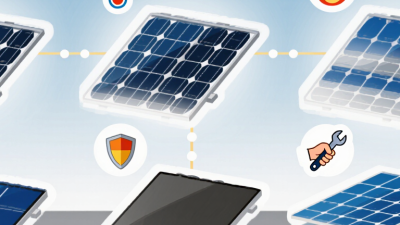
Compare solar panel types, system sizes, and available technologies before requesting installation quotes.
How to read this chart: Monocrystalline panels generally provide the highest efficiency in a limited roof area. Polycrystalline panels can offer a lower-cost option, while thin-film panels are lightweight and flexible but usually require more space for the same power output. Actual performance depends on orientation, shading, temperature, roof angle, and installation quality.
Review installation costs before choosing equipment. A typical quote should separate panels, inverters, permits, labor, roof repairs, and electrical upgrades. Ask for a written estimate with warranty terms and expected completion dates. A low price may hide essential work. Get at least three quotes from licensed installers, and check their insurance and local inspection record.
Study incentives through official government and utility websites. Tax credits, rebates, and export payments can change yearly or vary by location. Do not count an incentive until you confirm eligibility, application deadlines, and required documents. Financing deserves equal attention. Compare the annual percentage rate, loan term, origination fees, and early repayment rules. A small monthly payment can still create a large total cost. Cash purchases may reduce interest, but they can weaken your emergency savings.
Estimate long-term savings using your recent electricity bills, roof direction, shading, and local sunlight data. Request production forecasts based on your address, not a generic map. Include maintenance, inverter replacement, insurance, and electricity price changes. Battery storage may improve backup power, but it can lengthen the payback period. One practical warning: projected savings are not guaranteed. Weather, household usage, and policy changes create uncertainty. Recheck the figures with an independent energy adviser before signing. Keep every quote, permit, incentive record, and inspection result in one folder. Small details matter.
Choosing a qualified solar installer matters more than chasing the lowest price. Check the company’s electrical licenses, insurance, local approvals, and experience with homes like yours. Ask for recent customer references, not only online ratings. A careful installer should inspect your roof, electrical panel, shading, and yearly energy use before offering equipment.
Request a written proposal with system size, estimated annual production, equipment specifications, installation costs, permits, and connection fees. It should explain warranties clearly. Separate product coverage from workmanship coverage. Also review the payment schedule, maintenance responsibilities, and what happens if the system produces less energy than predicted. Estimates depend on weather and shade, so treat impressive numbers carefully.
Compare proposals using the same assumptions. One may include a battery, while another may not. Ask how the installer calculates savings and whether financing changes the total cost. I once focused too heavily on panel capacity and overlooked roof age. That was a useful mistake. Replacing a roof later can require removing and reinstalling the system. Ask who handles inspections and utility paperwork. Get every promise in writing. Vague answers are warning signs. A professional installer welcomes detailed questions, explains technical limits plainly, and does not pressure you to sign immediately.
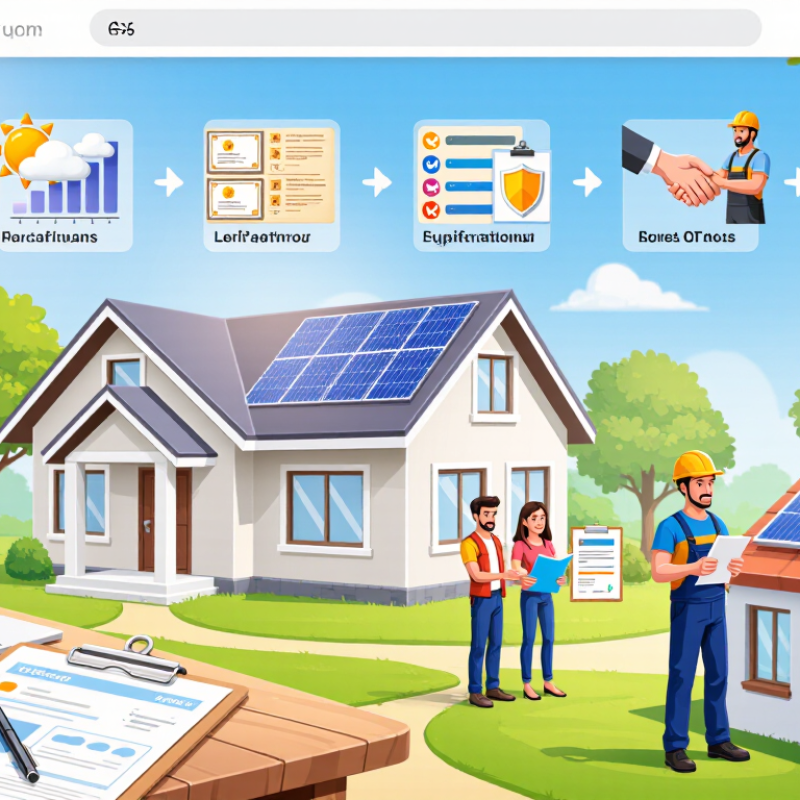
Before ordering panels, check your local permit requirements and property restrictions. Paperwork matters. Ask for a site plan, electrical diagram, equipment specifications, and roof details. Keep digital copies of every submission and approval. Requirements can change between neighborhoods, so confirm them with the local building authority.
Have a qualified professional inspect the roof, attic structure, shading, and electrical panel. Do not skip this visit. Request a written installation schedule, including planned conduit routes and equipment locations. On installation day, photograph the roof penetrations, cable connections, grounding points, and safety labels. Small details matter. My own checklist once missed a conduit location, creating an unnecessary delay.
Schedule the required inspection after installation, not before the work is ready. The inspector may check mounting, wiring, disconnects, labeling, and fire access. Correct any issue promptly, then keep the signed approval. Submit the utility interconnection documents only when the installation passes inspection. Wait for permission before activating the system. The utility may need to approve the meter or install a replacement. After activation, confirm that the inverter starts, production data appears, and emergency shutdown instructions are available. Save inspection records, warranties, permits, and final diagrams in one folder. Expect a learning curve. Mistakes can happen, but careful records make corrections faster.