Choosing solar products for global buyers in 2026 requires more than comparing prices and wattage. Climate, grid conditions, installation skills, certification rules, and long-term service all influence the real value of a purchase. A panel suited to a dry desert may perform poorly in a humid coastal town. An inverter designed for a stable grid may struggle where voltage changes frequently. These details matter.
Experienced buyers should examine product data, factory quality controls, independent test reports, and warranty terms. Look for relevant IEC standards, verified safety documentation, and certification accepted in the destination market. Ask suppliers about temperature coefficients, degradation rates, battery cycle life, enclosure ratings, and spare-part availability. A five-year warranty sounds attractive, but its practical value depends on local repair support and clear claim procedures. Small details often decide large projects.
The right solar products should match the buyer’s energy goals, budget, and operating environment. Residential users may prioritize quiet operation and simple monitoring. Commercial projects may need scalable storage, remote diagnostics, and dependable after-sales support. Import duties, transport damage, installer training, and recycling obligations also deserve attention. They are easy to overlook.
No supplier or technology is perfect. Some specifications look impressive but lack meaningful field evidence. Buyers should compare several quotations, request sample documents, and test assumptions before signing. Independent engineers can help verify system design and compliance. In 2026, reliable purchasing means balancing efficiency, safety, maintainability, and total lifecycle cost rather than chasing the lowest initial price.
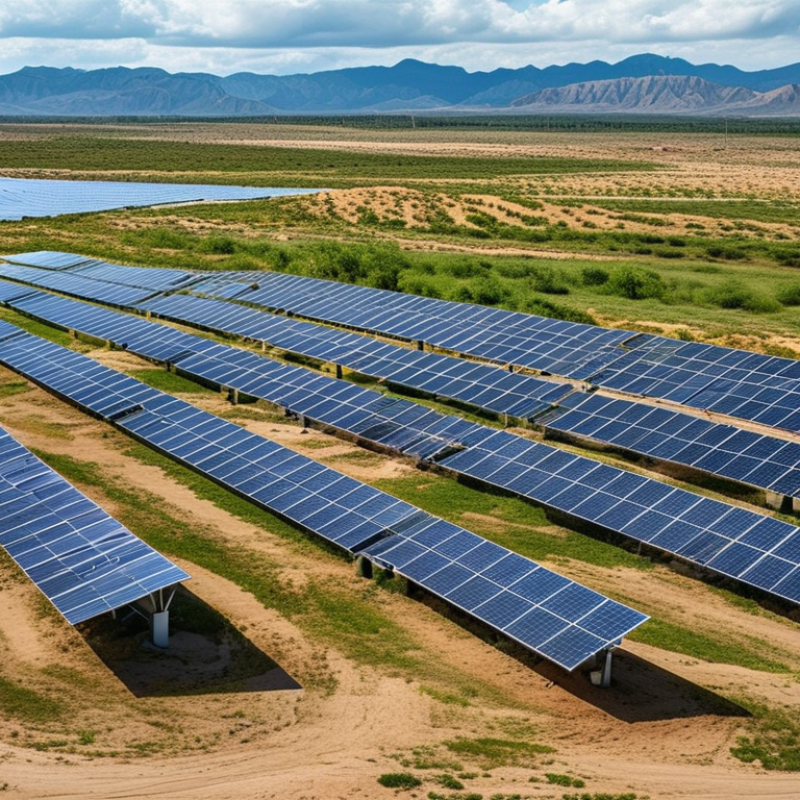
Before comparing solar products in 2026, define the energy problem precisely. Measure daily consumption, peak demand, operating hours, and seasonal changes. A small workshop may need 18 kWh daily, but its compressor could demand 4 kW instantly. That difference affects inverter sizing. According to IRENA’s Renewable Capacity Statistics 2025, solar capacity grew by about 452 GW in 2024. This expansion shows strong market momentum, but more capacity does not automatically mean the right product for every buyer. Decide whether your goal is lower bills, backup power, energy independence, or commercial returns. Set a budget and an acceptable payback period.
Your location also shapes the buying decision. Record roof direction, shading, temperature, rainfall, and available grid capacity. In hot climates, module performance losses and battery ventilation require practical attention. In remote areas, repair access may matter more than a slightly higher efficiency rating. The IEA’s Renewables 2024 report projects rapid solar growth through 2030, yet supply quality, installation skills, and after-sales support still vary across markets. A rough load estimate can mislead. I have seen buyers focus on panel wattage while overlooking cables, protection devices, and battery cycling limits.
Tips: Ask suppliers for measured performance data, warranty conditions, safety certificates, and installation requirements. Compare complete system costs, not panel prices alone. Request a production estimate using your location’s solar data. Then challenge the assumptions. Perfect forecasts rarely exist.
Global buyers should compare solar products by application, not by wattage alone. Monocrystalline modules suit rooftops and limited land because they deliver high output in smaller areas. Thin-film modules can perform better on lightweight structures and some high-temperature sites. They usually need more space. That trade-off is easy to overlook.
Technology also changes practical value. N-type cell designs can reduce degradation and improve long-term energy yield. TOPCon and heterojunction modules offer strong efficiency, while back-contact designs can reduce front-side shading losses. Bifacial modules work well above reflective ground, such as pale gravel or prepared surfaces. They may add little value over dark soil or crowded roofs. Real site conditions matter more than impressive laboratory figures.
Storage systems require a separate comparison. Lithium iron phosphate batteries provide stable cycling and strong thermal performance for homes, farms, and small commercial sites. Hybrid inverters can connect solar generation, batteries, and backup loads, but compatibility must be checked carefully. Off-grid buyers also need charge control, generator integration, and cold-weather data. I have seen projects fail after choosing panels first and studying loads later. That sequence creates avoidable costs. A reliable purchase review should examine temperature range, warranty terms, replacement access, grid rules, and independent testing records. No product fits every climate. Mistakes remain possible.
Efficiency is not only the headline percentage. Ask for measured output under standard test conditions, temperature coefficients, and low-light performance. A panel rated highly in a laboratory may produce less on a dusty roof at 45°C. Request independent test reports, not only sales sheets. Check whether inverter efficiency, battery round-trip efficiency, and expected degradation are calculated consistently. Small differences matter over ten years.
Quality appears in details buyers can inspect. Review materials, connector ratings, sealing methods, and warranty terms. Ask for factory quality records, batch traceability, and corrective-action reports. I have found that clear serial-number systems make after-sales investigations far easier. Still, documents can look perfect while packaging fails in humid ports. Inspect corner protection, moisture barriers, and pallet stability before shipment. One damaged edge can create a costly dispute.
Safety must cover installation, operation, transport, and end-of-life handling. Look for relevant certifications, such as IEC or UL-based testing, plus local grid and fire requirements. A certificate should match the exact model, revision, and factory location. Verify its issuer and validity through an official database when possible. Do not accept a logo as proof. Certification is a useful filter, not a complete risk assessment. Site conditions, installer training, and emergency procedures still deserve scrutiny. I once underestimated maintenance access; the equipment worked, but inspections became unnecessarily dangerous.
For global buyers, solar product selection begins with compatibility, not price. Check operating voltage, frequency, connector standards, and grid requirements for the destination. A product may perform well in one market and fail after relocation. Confirm temperature ranges, humidity ratings, and resistance to dust or salt air. Ask for test reports from recognized laboratories. Do not rely on a polished product page. That is risky.
Installation conditions deserve equal attention. Measure roof angles, wind exposure, shading, cable routes, and available lifting space before ordering. A compact inverter is not automatically easy to install. The manual should show wiring diagrams, torque values, clearances, and fault procedures. Local technicians also need practical training, especially where service networks are limited. During site reviews, I have seen small documentation gaps create expensive delays. We missed one mounting detail once. It was preventable.
Warranty terms must match real operating conditions. Check coverage length, exclusions, labor responsibility, replacement shipping, and claim evidence. Ask whether the warranty remains valid after installation by an approved professional. Support quality matters after the sale. Confirm response times, language options, remote diagnostics, spare-part availability, and escalation contacts. Request sample claim forms before payment. A five-year promise means little if a replacement takes months. Buyers should record serial numbers, installation photos, and maintenance readings from day one. Even experienced teams can overlook this habit.
| Buyer Checkpoint | Europe and Most of Africa | North America | Latin America and Caribbean | Asia-Pacific | Middle East and Selected Africa Markets | What Global Buyers Should Confirm |
|---|---|---|---|---|---|---|
| Common AC supply | 230 V, 50 Hz is common. Some countries use different local arrangements. | 120/240 V, 60 Hz is common in residential systems; commercial services vary. | Many markets use 110–127 V or 220–240 V; frequency may be 50 or 60 Hz. | 220–240 V, 50 Hz is common, while Japan uses 100 V and regional frequencies differ. | 220–240 V, 50 Hz is widely used, but local utility requirements still apply. | Select an inverter and battery system for the exact local voltage, frequency, phase, and grid code. |
| Plug and connector compatibility | Plug types C, E, F, G, and others are used across the region. | Type A and B plugs are common; local electrical codes govern installation. | Plug types vary widely, including A, B, C, and N depending on the country. | Types A, C, G, I, and others are used; Australia and New Zealand commonly use Type I. | Type G, C, D, and related systems are found across different markets. | Confirm AC plug, DC connector, grounding method, cable cross-section, and replacement availability. |
| Grid-connected inverter requirements | Country-specific grid codes, anti-islanding protection, and export-control settings may be required. | Interconnection approval and applicable national, state, or utility rules are commonly required. | Utility rules differ by country and often require local approval before grid connection. | Requirements vary considerably between markets; islanded and backup modes need separate review. | High-temperature operation and local utility approval should be checked before purchase. | Request evidence of compliance with applicable grid-interface and anti-islanding standards, such as IEC 61727 and IEC 62116 where relevant. |
| Solar resource and system sizing | Seasonal variation can be significant, particularly in northern areas. | Solar yield varies from low-sun northern zones to high-sun southwestern zones. | Many areas have strong solar potential, but humidity, storms, and shading affect yield. | Monsoon rainfall, humidity, pollution, and cyclone exposure may affect annual output. | High irradiance is common, while dust, heat, and water scarcity can increase maintenance needs. | Use a site-specific assessment based on roof orientation, shading, local weather data, and expected load. |
| Installation environment | Snow, wind, rain, and freeze-thaw conditions may require higher structural and weather ratings. | Wind, hail, snow load, wildfire exposure, and regional building codes may be relevant. | Coastal salt mist, heavy rainfall, hurricanes, and high humidity may affect equipment selection. | Humidity, salt mist, typhoons, cyclones, and seismic conditions should be evaluated. | Dust, sand, extreme heat, strong sunlight, and occasional heavy rain are key considerations. | Check IP rating, corrosion resistance, operating-temperature range, wind and snow loads, and mounting certification. |
| Module standards and performance data | Independent test reports and product documentation are commonly expected for market access. | Testing, labeling, fire classification, and installation requirements may be jurisdiction-specific. | Documentation requirements vary; local certification may be needed for public or utility projects. | National certification and import documentation differ by country. | Temperature coefficient, dust resistance, and long-term outdoor durability are particularly important. | Ask for test reports aligned with IEC 61215 and IEC 61730, plus power tolerance, degradation data, and fire-performance information where applicable. |
| Battery selection | Backup duration, electricity tariffs, and permissible export rules affect sizing. | Battery systems may need certification, permitting, and dedicated fire-safety clearances. | Backup reliability is often a major factor where outages are frequent. | Heat, humidity, cyclone resilience, and limited service access should be considered. | Thermal management and ventilation are important in hot climates. | Compare usable capacity, continuous and peak power, cycle-life test conditions, temperature limits, and battery safety certification. |
| Typical warranty structure | PV modules commonly offer a product warranty around 10–15 years and a performance warranty around 25–30 years. | Module and inverter warranty terms vary by product, installer, and local contract. | Warranty enforcement may depend strongly on regional service and import arrangements. | Confirm whether warranty service is available locally or requires international shipment. | Check whether high-temperature operation affects warranty eligibility. | Review product, performance, inverter, battery, workmanship, transport, labor, exclusions, claim deadlines, and transfer conditions separately. |
| After-sales support | Local-language manuals, certified installers, and accessible replacement parts improve uptime. | Installer licensing, remote monitoring, and utility documentation support are valuable. | Regional warehouses and practical remote troubleshooting can reduce downtime. | Service coverage should account for islands, rural areas, and long shipping routes. | Dust-cleaning guidance, spare parts, and heat-related troubleshooting are especially useful. | Confirm response times, technical contact channels, firmware policy, spare-parts stock, installer training, and escalation procedures. |
| Best product configuration | Grid-tied or hybrid systems with strong cold-weather and seasonal-performance documentation. | Code-compliant systems with flexible split-phase or commercial three-phase options. | Hybrid systems with backup capability may be suitable where grid reliability varies. | Robust, humidity-resistant systems with flexible backup and monitoring options. | Heat-tolerant, dust-resistant systems with simple cleaning and maintenance procedures. | Choose based on the site load profile, local grid rules, climate, installation skills, service access, and total lifetime cost. |
Note: Electrical standards, permitting rules, certification requirements, and warranty conditions can change by country and project type. Always verify the latest requirements with the local utility, authority having jurisdiction, qualified installer, and product documentation before purchase.
How to Choose Solar Products for Global Buyers in 2026?
A low purchase price can hide expensive surprises. Calculate the full landed cost: product, freight, insurance, duties, installation, spare parts, and disposal. IRENA’s Renewable Power Generation Costs in 2023 reports that utility-scale solar PV reached an average LCOE of about USD 0.044 per kWh. Yet local financing, grid work, and maintenance can change the result. Compare energy yield, not only the invoice.
Long-term value depends on degradation, warranty conditions, and real operating history. Ask for third-party test reports, serial-level quality records, and clear performance guarantees. The IEA Photovoltaic Power Systems Programme reported global PV capacity exceeded 2,000 GW in 2024, showing rapid scale but also stronger quality-control needs. A reliable supplier should disclose factory audits, production capacity, delivery records, and claims procedures. Check them independently. Paperwork is not performance. I sometimes overvalue impressive efficiency figures; shaded rooftops may gain more from better design than from higher-rated modules.
Tips: Request a five-year cash-flow model. Include one delayed shipment and one replacement event. Compare warranty response times, not just warranty length. Use independent inspection before shipment, and verify certificates with the issuing body. Ask for references from projects in similar climates. Small details matter. Supplier reliability is measurable when evidence is specific, recent, and difficult to fake.