Top 10 Solar Panel Roof Mounts for Global Buyers 2026?
As the global demand for renewable energy surges, understanding the nuances of solar panel roof mounts becomes crucial. According to the International Renewable Energy Agency (IRENA), the solar market is projected to grow significantly, with a compound annual growth rate (CAGR) of 20% through 2026. A well-placed solar panel roof mount can enhance efficiency and output, making it a vital component for homeowners and businesses alike.
Expert John Smith, a leading figure in solar energy innovations, notes, "Choosing the right solar panel roof mount can dramatically impact system performance." His insight underlines the need for quality and stability in installations. Various types of mounts, such as fixed, adjustable, and tracking systems, cater to different needs. However, not every option suits every environment. Certain mount types may struggle in high wind areas, highlighting the importance of site-specific evaluation.
Despite advancements, challenges remain. Many buyers still overlook the significance of proper installation and compatibility. Selecting subpar solar panel roof mounts can lead to inefficiencies and increased costs over time. As you explore options for 2026, prioritize quality and consultation with experts to make informed decisions.
Types of Solar Panel Roof Mounts Available in 2026
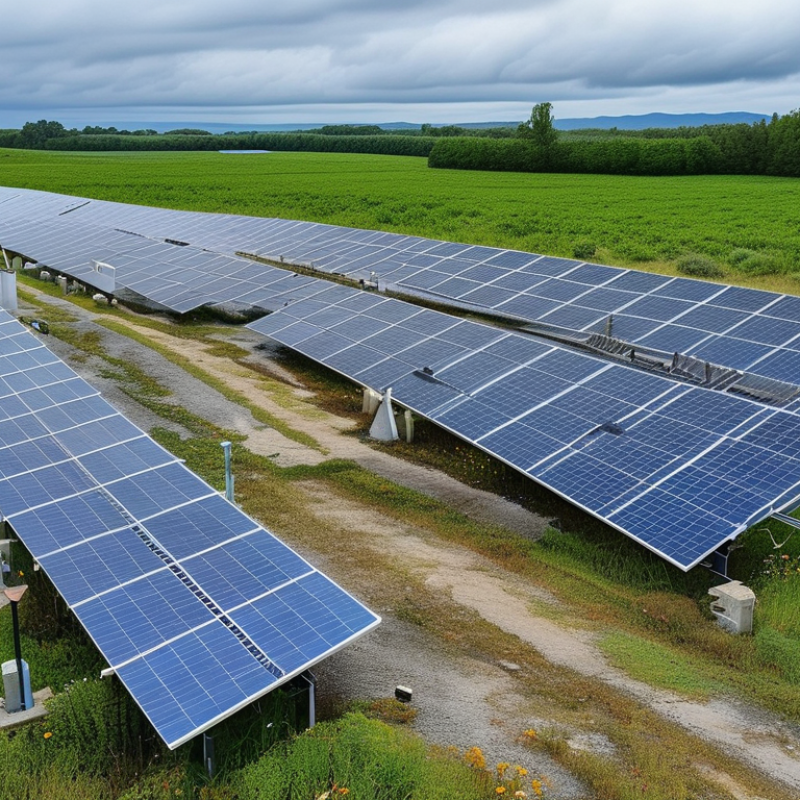
In 2026, the market for solar panel roof mounts offers various options for homeowners. There are adjustable mounts, which provide flexibility to capture optimal sunlight throughout the day. Static mounts are another option; these have fixed angles but are easier to install and more cost-effective. Then, there are specialized mounts for different roof types, such as flat roofs or those with unique shapes.
Choosing the right type can be challenging. Consider how much light your roof receives daily. A house shaded by trees may benefit more from adjustable mounts. Additionally, think about aesthetic impact. Some homeowners prefer mounts that blend seamlessly with their roofs.
One detail often overlooked is installation complexity. Installing a system can require technical skills, especially for complex roofs. Therefore, consulting with a professional might save time and ensure safety. Carefully weigh your options to find what works best for your home’s unique needs.
Factors Influencing the Choice of Roof Mounts for Solar Panels
Choosing the right roof mounts for solar panels is crucial. Buyers should consider several factors influencing their decision. First, the roof’s angle and structure play a significant role. A flat roof may require different mounts compared to a sloped one. It’s essential to assess the roof's material as well. Some mounts work better with specific types of roofs.
Another critical factor is local weather conditions. Areas with heavy snow or strong winds need robust mounts. These mounts should provide durability and stability. Consider the climate where you live. It impacts the long-term performance of the solar system. Additionally, optimal sunlight exposure is vital for efficiency. Mounting configurations that maximize sun exposure could increase energy production.
A thoughtful evaluation of the mounting system’s installation is also necessary. Complexity can vary significantly. Some systems require professional installation, while others are DIY-friendly. Assessing your skill level is key. Each choice has its pros and cons. Making an informed decision is crucial for maximizing your solar investment. Take your time to research thoroughly and reflect on the options available.
Top Solar Panel Roof Mount Brands to Watch in 2026
The solar energy market is expected to grow significantly by 2026. Consumers will have many options for solar panel roof mounts. These mounts are crucial for optimal energy capture. They vary in design and functionality, catering to different roof types. Homeowners need to consider their specific needs before making a purchase.
Several brands are anticipated to lead the market in 2026. They focus on innovation and sustainability. Their designs often prioritize ease of installation. However, not all products will meet every consumer's expectations. Some mounts may face challenges with durability under extreme weather conditions. Buyers should research user reviews and product specifications before deciding.
The importance of expert advice cannot be overstated. Engaging with professionals in the industry can provide insights into the best options available. It's essential to weigh the advantages of each mount. However, consumers must also be aware of potential limitations. An informed decision will lead to a more satisfying solar experience.
Top 10 Solar Panel Roof Mounts for Global Buyers 2026
| Mount Type |
Material |
Weight Capacity (lbs) |
Installation Type |
Warranty (Years) |
| L-Foot Mount |
Aluminum |
200 |
Drilled |
10 |
| Ballasted Mount |
Stainless Steel |
150 |
No Roof Penetration |
25 |
| Flat Roof Mount |
Aluminum |
180 |
Fixed |
15 |
| Tilt Mount |
Galvanized Steel |
220 |
Adjustable |
20 |
| Ground Mount |
Aluminum |
250 |
Installed |
30 |
| Pole Mount |
Steel |
300 |
Height Adjustable |
10 |
Installation Considerations for Solar Panel Roof Mounts
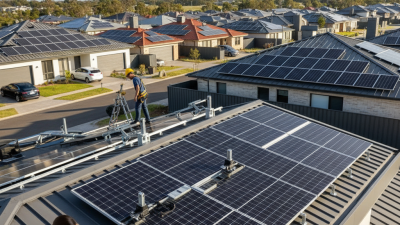
When considering solar panel roof mounts, proper installation is crucial. The roof's angle, material, and condition impact the mounting process. A well-maintained roof ensures better support for the solar panels. An experienced installer will check for leaks or damage before proceeding. It’s vital to address these issues early to avoid further complications.
Understanding local weather patterns is also important. Extreme conditions can affect mounting stability. For instance, high winds can dislodge improperly secured panels. Therefore, choosing mounts that can withstand such elements is essential. It’s wise to consult with local professionals to select suitable options for your area.
Finally, always think about future maintenance. Accessibility is key for cleaning and inspections. If mounts obstruct easy access, this could lead to issues down the line. Planning for regular maintenance helps to sustain efficiency. Reflecting on these factors can lead to better long-term performance.
Comparative Analysis of Fixed vs. Adjustable Roof Mounts
When considering solar panel roof mounts, one significant choice lies between fixed and adjustable mounts. Fixed mounts are simpler and often more affordable. They securely lock panels at a designated angle. This angle typically matches the roof slope, optimizing sunlight exposure for certain locations. However, they lack flexibility. In areas with varying sun angles throughout the year, these mounts may underperform. Owners may notice a decline in energy production, especially during seasons with less sunlight.
Adjustable mounts offer versatility, allowing users to change the panel angle. This adaptability can maximize solar energy capture across different seasons. Many users appreciate the potential increase in efficiency, especially in regions with diverse weather. Yet, adjustable mounts often come with higher installation costs. They also may require more maintenance over time. Owners could face challenges in keeping the mechanisms functional. The trade-offs between simplicity and adaptability often lead to reflections on personal energy needs and regional climate patterns. Selecting the right roof mount isn’t just about cost. It's about understanding long-term energy goals and the nuances of local conditions.