Why Choose a Solar Energy System for Home Use?
As homeowners seek sustainable energy solutions, a solar energy system for home use has gained significant attention. John Smith, a leading expert in renewable energy systems, notes, “Investing in solar not only reduces bills; it empowers homeowners.” This statement reflects the growing trend of adopting solar technology to meet energy needs.
Solar energy systems for homes provide clean, renewable power. They offer protection from rising electricity costs and demonstrate environmental responsibility. By harnessing sunlight, households lower their carbon footprints and promote energy independence. However, some may hesitate due to the initial installation costs.
It's essential to weigh the long-term benefits against upfront expenses. Many homeowners report significant savings over time. Additionally, technological advancements have made solar energy more accessible and efficient than ever. Balancing hope and reality, potential users should consider both the advantages and challenges of adopting solar systems.

Benefits of Solar Energy Systems for Residential Use
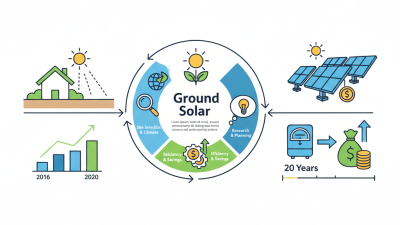
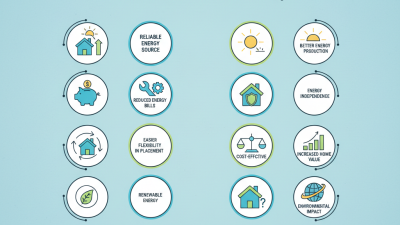
When considering solar energy systems for home use, the benefits are compelling. According to the U.S. Department of Energy, homeowners can save an average of $10,000 on energy costs over 20 years. Solar energy reduces reliance on fossil fuels, contributing to environmental sustainability. In fact, each residential solar installation can offset over 100 tons of carbon dioxide over its lifespan. This efficiency makes solar not just a homeowner's choice but also a step toward a greener planet.
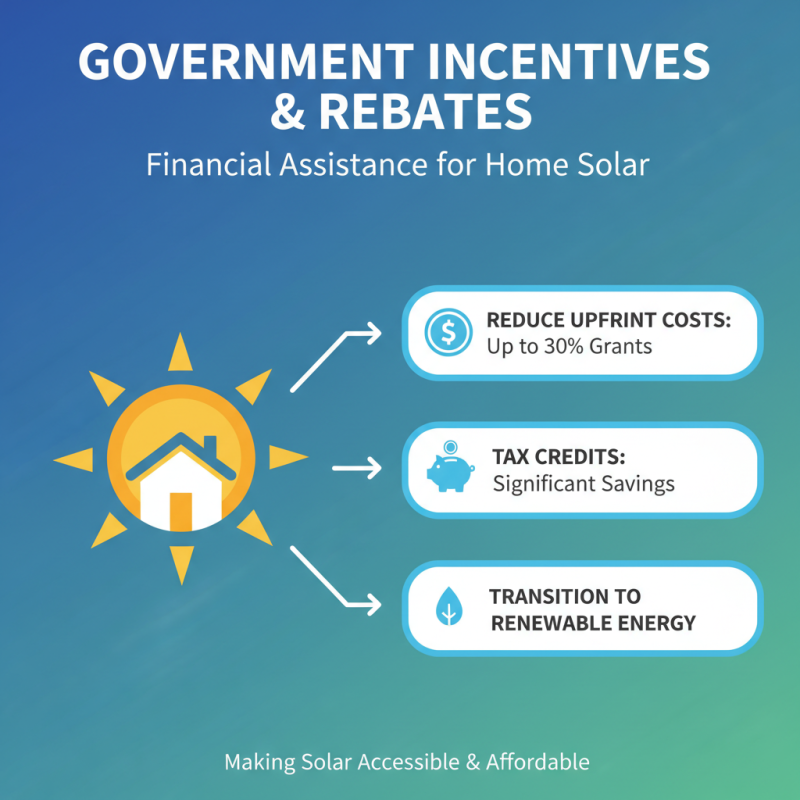
Choosing solar can lead to significant reductions in electricity bills. Many states offer incentives, making the initial investment more attractive. A report from the Solar Energy Industries Association states that residential solar installations grew by 20% in the last year alone. Yet, these benefits come with nuances. The efficiency of solar systems can decrease over time, and weather conditions also play a role in performance.
Tip: Before investing, research your local climate and sunlight availability. Understanding these factors can help you make an informed decision. Consider consulting a professional to assess your home’s suitability. Many homeowners report some unexpected challenges in maintenance, which can affect long-term reliability. Proper planning and knowledge can mitigate these issues.
Benefits of Solar Energy Systems for Residential Use
Cost Savings: Analyzing Solar Energy Expenses vs. Traditional Power Bills
Choosing solar energy for home use can lead to significant cost savings. According to the Solar Energy Industries Association (SEIA), residential solar installations have increased by over 167% since 2010. Homeowners can save an average of $20,000 over 20 years by making this switch. Traditional power bills often escalate with rising energy costs. In contrast, solar energy offers more predictable expenses, allowing families to budget effectively.
However, it’s important to consider the initial investment. The cost of installing solar panels typically ranges from $15,000 to $25,000. While tax credits and incentives can reduce this amount, many homeowners may feel apprehensive about this upfront cost. It’s crucial to analyze individual energy needs and potential savings. Based on a 2021 report from the National Renewable Energy Laboratory (NREL), certain regions see payback periods of just 5 to 7 years for solar investments.
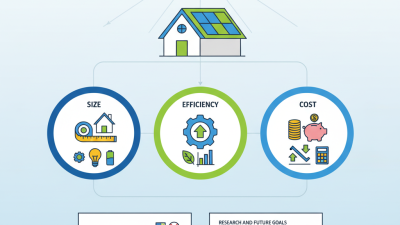
Yet, not all homes can benefit equally from solar energy. Factors like location, roof orientation, and shading can influence effectiveness. In regions with less sunlight, expected savings may not materialize as quickly. Thus, it’s essential to evaluate your unique situation before deciding. Homeowners should also consult local installations and get multiple quotes to better understand their options.
Environmental Impact: Reducing Carbon Footprint with Solar Energy
The transition to solar energy offers a significant opportunity to reduce our carbon footprint. According to the U.S. Department of Energy, about 40% of carbon dioxide emissions in the United States come from residential energy consumption. By adopting solar energy systems, homeowners can reduce their dependence on fossil fuels. This shift leads to cleaner air and a noticeable decline in greenhouse gas emissions.
A study by the National Renewable Energy Laboratory indicates that a typical residential solar PV system can save around 100 tons of carbon dioxide emissions over its 25-year lifespan. This is equivalent to the emissions produced by driving a car for more than 200,000 miles. However, challenges remain. The initial costs of installation and the variability of sunlight can deter some homeowners.
Critics argue that solar energy is not a panacea. It requires space and investment, which can be barriers for some families. Furthermore, the production of solar panels involves energy-intensive processes that may also contribute to emissions. Balancing these factors is essential for a sustainable energy future. Solar energy provides a path to lower emissions, yet it’s crucial to address the ongoing debates surrounding its viability and effectiveness.
Increased Property Value: The Resale Benefits of Solar-Equipped Homes
Investing in a solar energy system can significantly enhance property value. Homes equipped with solar panels often attract more buyers. These systems offer potential savings on utility bills. Many buyers look for energy-efficient homes. They understand that solar installations lead to lower monthly energy costs.
Studies indicate that homes with solar energy systems can sell for more than comparable homes without them. Sellers can leverage the resale benefits. Buyers see solar panels as an upgrade, not just a feature. This perception allows homeowners to set higher asking prices. Local real estate markets often recognize this trend. Solar installations can be a convincing factor for potential buyers.
However, homeowners should consider local regulations and installation costs. Each neighborhood may have different incentives for solar energy. It is wise to analyze the long-term benefits against the upfront investment. This reflection can help homeowners make an informed decision. Assessing market trends is crucial before installing solar systems. Understanding these aspects can maximize the advantages of a solar-equipped home.
Why Choose a Solar Energy System for Home Use? - Increased Property Value: The Resale Benefits of Solar-Equipped Homes
| Home Location |
Solar System Size (kW) |
Estimated Increase in Property Value ($) |
Average Resale Time Reduction (Months) |
Buyer Interest (%) |
| California |
5 |
$25,000 |
2 |
70% |
| Florida |
6 |
$30,000 |
1.5 |
75% |
| Texas |
7 |
$35,000 |
2.5 |
65% |
| New York |
4 |
$20,000 |
3 |
60% |
| Washington |
5.5 |
$28,000 |
2 |
68% |