
China Top Rooftop Solar Panels Manufacturers?
Choosing a Chinese manufacturer for roof top solar panels requires more than comparing price lists. Factory scale matters, but it does not guarantee consistent field performance. A credible supplier should provide production records, test reports, traceable materials, and clear warranty terms. Details matter most. This guide introduces leading Chinese manufacturers through practical, evidence-based criteria rather than marketing claims.
The evaluation considers module efficiency, temperature performance, degradation rates, product durability, and after-sales support. It also reviews certifications such as IEC 61215, IEC 61730, and ISO 9001, where applicable. Independent testing can offer stronger confidence than a polished brochure. Manufacturing experience is valuable, especially when suppliers have completed varied rooftop projects across hot, windy, snowy, or coastal environments. However, reported capacity and global shipment figures should still be checked against current records.
Real installations reveal issues that laboratory tables may overlook. Partial shade, limited roof space, high humidity, and difficult cable routes can affect the final result. A cheaper panel may carry higher installation or replacement risks. A longer warranty is useful only when the company remains financially stable and responsive. No manufacturer fits every roof. A perfect ranking is impossible. Public information also changes, and some supplier claims deserve closer verification. The following overview therefore balances technical evidence, user experience, factory capability, and commercial reliability, helping buyers shortlist manufacturers with greater confidence and fewer costly surprises.
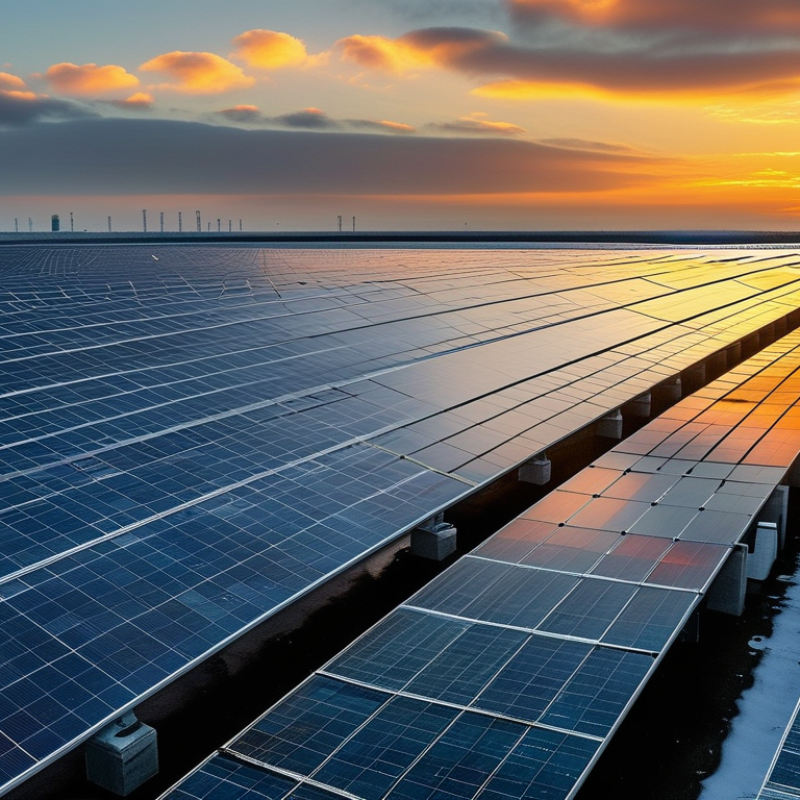
China’s Rooftop Solar Panel Manufacturing Landscape
China’s rooftop solar panel manufacturing landscape is expanding with unusual speed. The National Energy Administration reported about 96.3 GW of new distributed photovoltaic capacity in 2023. That figure reflects strong demand from factories, warehouses, farms, and apartment communities.
The IEA Photovoltaic Power Systems Programme recorded China’s total photovoltaic additions at roughly 216.9 GW in 2023. Rooftop projects are only one part of this market, but manufacturers increasingly design products for limited roof space, high humidity, and heavy seasonal rainfall. Practical experience matters here. A panel can perform well in laboratory tests yet lose output because of dust, shading, weak ventilation, or poor installation angles. This is often overlooked.
Quality differences remain real. Some specifications appear impressive, but long-term field data may be limited. Buyers should examine independent certification, degradation guarantees, fire performance, mechanical-load testing, and traceability. The China Photovoltaic Industry Association also highlights continuing pressure on efficiency, manufacturing costs, and supply-chain coordination.
Tips: Match panel dimensions to the roof before comparing wattage. Check temperature coefficients for hot regions. Request third-party test reports, not only factory brochures. Leave space for drainage and maintenance access. A slightly lower-rated panel may deliver more reliable annual energy when ventilation and shading are considered.
China Top Rooftop Solar Panels Manufacturers? - China’s Rooftop Solar Panel Manufacturing Landscape
| Landscape Dimension | Verified Data | Period | Relevance to Rooftop Solar | Reference |
|---|---|---|---|---|
| China’s total solar PV capacity | 609.49 GW cumulative installed solar PV capacity; 216.88 GW added during the year | Year-end 2023 | Shows the scale of the domestic demand base supporting module and system manufacturing. | National Energy Administration, 2023 electricity industry statistics |
| Distributed solar PV capacity | Approximately 254.4 GW cumulative distributed PV capacity; approximately 96.29 GW added in 2023 | Year-end 2023 | Distributed generation is the principal category covering residential, commercial and industrial rooftop projects. | National Energy Administration, 2023 solar PV statistics |
| Polysilicon production | Approximately 1.43 million metric tonnes | 2023 | China has a large upstream silicon-material base, supporting domestic wafer, cell and module supply. | Ministry of Industry and Information Technology, 2023 PV industry summary |
| Silicon wafer production | Approximately 622 GW of wafer output | 2023 | High wafer capacity supports large-format rooftop modules and multiple high-efficiency cell architectures. | Ministry of Industry and Information Technology, 2023 PV industry summary |
| Solar cell production | Approximately 545 GW of solar cell output | 2023 | Indicates strong domestic availability of mainstream and high-efficiency crystalline-silicon cell technologies. | Ministry of Industry and Information Technology, 2023 PV industry summary |
| PV module production | Approximately 499 GW of module output | 2023 | Demonstrates the depth of China’s module assembly and export-oriented manufacturing ecosystem. | Ministry of Industry and Information Technology, 2023 PV industry summary |
| Dominant manufacturing technology | Crystalline-silicon PV remains the dominant commercial technology; common cell technology routes include PERC, TOPCon, HJT and back-contact designs | Current industry structure through 2023 | Rooftop buyers generally compare efficiency, temperature performance, degradation, size, weight and warranty terms across these technology routes. | China Photovoltaic Industry Association and industry technical classifications |
| Typical rooftop product priorities | High power density, low degradation, low-temperature coefficient, mechanical-load resistance, fire performance and documented traceability | Applicable to current procurement | Limited roof area and structural constraints make efficiency, module dimensions, weight and certified durability particularly important. | Common engineering and procurement criteria under IEC and Chinese PV project practice |
| Core module safety and design standards | IEC 61215 for design qualification and type approval; IEC 61730 for PV module safety qualification; IEC 62548 for PV array design and installation principles | Current international reference framework | Certification to the applicable standards helps evaluate module reliability and system-level rooftop safety. | International Electrotechnical Commission standards |
| Chinese rooftop project compliance | Projects must address grid-connection requirements, building and structural safety, electrical protection, fire safety and local permitting procedures | Project-dependent | A module manufacturer should be assessed together with the inverter, mounting, engineering and after-sales support chain. | National and local Chinese construction, electrical and grid-connection requirements |
Note: China’s official statistical releases generally report PV manufacturing output by product category rather than by rooftop application. Therefore, the manufacturing figures above represent the overall Chinese PV supply chain, while the distributed-PV figures describe the rooftop-related market segment.
Related Posts
-

How to Choose the Best Solar Panels for Your Home?
-
China Top Ground Mounted Solar Panels Benefits and Applications?
-
Best Ways to Get Solar Panels for Home in 2026?
-
Get Solar Panels for Home in China Best Options Available?
-
Best Solar Energy Panels for Home Use Worldwide?
-
What is the Best PV Panels for Global Buyers?