Get Solar Panels for Home in China Best Options Available?
In recent years, the push for renewable energy has become increasingly prominent in China. Solar energy, in particular, has seen significant growth. As per a report by the International Energy Agency, China accounted for over 30% of the global solar energy capacity in 2022. This statistic highlights China's commitment to sustainable energy solutions.
Considering the current energy crisis and rising fossil fuel costs, many homeowners are exploring the option to get solar panels for home use. A recent survey indicates that nearly 75% of homeowners in urban areas express interest in solar installations. However, navigating the market can be challenging. Not all solar solutions are created equal, and the right choice depends on individual circumstances, including location and budget.
Potential buyers must weigh the costs against potential savings. Initial investment can be high, yet, incentives and decreasing prices for solar technology are making it more accessible. Understanding these factors is crucial. Making an informed decision can transform energy consumption at home and play a vital role in sustainable development.
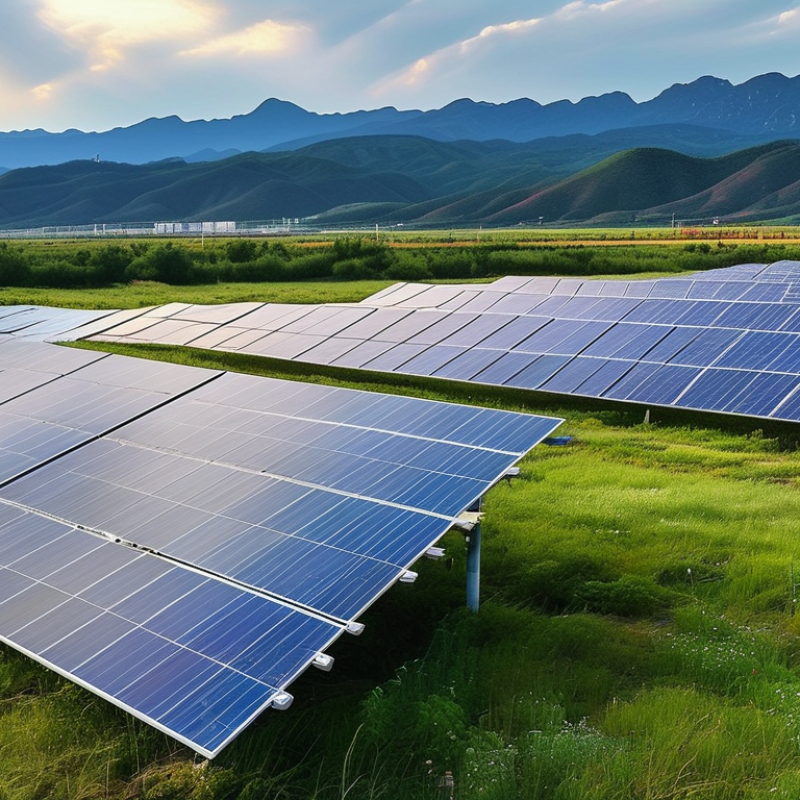
Overview of Solar Energy Adoption in China
China has rapidly embraced solar energy, making significant strides in renewable resources. The country is now a global leader in solar panel manufacturing and installation. Many households consider solar energy a valuable investment. However, this journey is not free from challenges.
The incentives for solar adoption in China are substantial. Government policies support energy sustainability. Financial incentives make solar panels more accessible for homeowners. Despite these advantages, the initial cost can still be a concern. Households must assess their economic situation carefully.
Tips: Start by researching local solar providers. Compare installation costs and efficiency rates. Consider community solar programs, which can reduce upfront costs.
Additionally, understanding the solar policy landscape is crucial. Policies may vary by region. Local governments might offer specific incentives. Gathering information from trusted sources can alleviate confusion. This approach ensures you choose the best option for your energy needs.
Types of Solar Panels Available for Residential Use
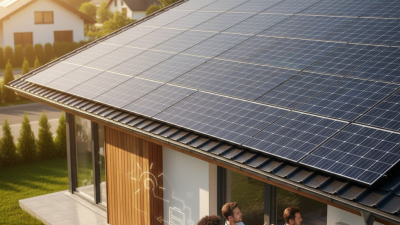
When considering solar panels for home use in China, various types are available to meet different needs. The most common options include monocrystalline, polycrystalline, and thin-film solar panels. Each type has unique features that cater to specific residential requirements. Monocrystalline panels are known for their high efficiency and performance, allowing homeowners to maximize energy output. Their sleek black appearance also adds to their aesthetic appeal.
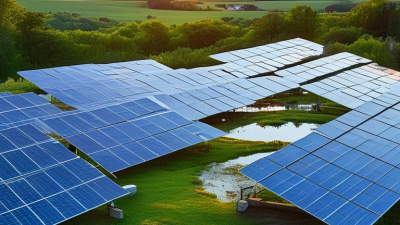
Polycrystalline panels, on the other hand, are often more affordable than monocrystalline options. They are made from multiple silicon crystals, resulting in a blue hue. These panels usually have a lower efficiency but can still provide significant energy savings for many households. Thin-film solar panels offer flexibility and lightweight construction, making them suitable for varied roofing designs. However, their efficiency is often lower than other types, leading to larger installation requirements.
While evaluating these options, potential buyers should carefully consider their energy needs and budget. Solar panel efficiency can significantly vary among manufacturers, creating challenges in selecting the best fit. It's essential to conduct thorough research and possibly consult experts to ensure the chosen panels align with long-term energy goals. Remember, personal circumstances impact the effectiveness of each type of solar panel.
Types of Solar Panels Available for Residential Use in China
Factors to Consider When Choosing Solar Panels
When selecting solar panels for home use in China, several factors warrant thoughtful consideration.
First, efficiency stands as a key metric. It determines how well panels convert sunlight into electricity.
Higher efficiency panels can generate more power from the same amount of sunlight.
Assessing the efficiency rating can guide your purchase decision.
Cost is another significant factor. Prices can vary widely based on type and manufacturer.
Aligning the investment with your budget is crucial. Additionally, consider the installation process.
Some systems require professional setup, while others are designed for DIY installation.
Understanding the level of complexity involved can save you time and potential headaches.
Warranty and longevity are equally important. A good warranty reflects the manufacturer's confidence in their product.
Typically, solar panels last 25 years or more, but maintenance can affect performance.
Even top-rated products may experience a decline in efficiency over time.
Being aware of these details can help you make an informed choice.
Cost Analysis of Installing Solar Panels in China
The cost of installing solar panels in China varies widely. Factors include the size of the system and installation fees. On average, homeowners can expect to spend between 8,000 to 15,000 RMB per kilowatt. This cost may seem high, but the return on investment can be substantial.
In urban areas, the cost tends to increase due to higher installation fees. Rural areas might offer lower rates, but the availability of skilled labor can be an issue. Installing solar panels in homes can also lead to savings on electricity bills. Many households report savings of 30% to 50% in their monthly costs. However, not all systems are equally efficient.
Some homeowners face challenges when deciding on the right system. Not every building can support solar panels, especially older ones. Misleading information can lead to poor purchasing decisions. Research is crucial before making any commitment. Balancing costs, potential savings, and the suitability of the property will ensure a more successful installation.
Government Incentives for Home Solar Panel Installation
In China, homeowners can benefit from significant government incentives when installing solar panels. These programs aim to promote renewable energy and reduce reliance on fossil fuels. The financial support varies by region but often includes rebates, tax incentives, and feed-in tariffs. This assistance can lower the initial costs, making solar energy more accessible.
One example of support is the feed-in tariff program. This allows homeowners to sell excess electricity generated back to the grid. This creates an additional revenue stream. The amount paid for the energy depends on local regulations and market conditions. It's essential for homeowners to research local policies to maximize benefits.
However, the complexity of regulations can be daunting. Homeowners might struggle to navigate through various programs. Some may find that the installation process is not as straightforward as expected. It's crucial to consult with local experts who understand the latest government initiatives. Engaging with professional resources can help avoid pitfalls. Overall, utilizing these incentives can lead to significant savings and contribute to a greener future.
Get Solar Panels for Home in China Best Options Available? - Government Incentives for Home Solar Panel Installation
| Option |
Type of Solar Panel |
Average Cost (CNY) |
Efficiency (%) |
Government Incentive (%) |
Payback Period (Years) |
| Monocrystalline |
Crystalline |
10,000 |
18-22 |
30 |
5 |
| Polycrystalline |
Crystalline |
8,000 |
15-20 |
25 |
6 |
| Thin-Film |
Non-Crystalline |
7,000 |
10-12 |
20 |
7 |
| Bifacial |
Crystalline |
12,000 |
20-25 |
35 |
4 |