How to Choose the Best Solar PV Installation for Your Needs?
In today's energy landscape, solar PV installation has emerged as a compelling solution for sustainable power generation. According to a 2022 report by the International Energy Agency (IEA), global solar capacity increased by 24% in just one year, showcasing its exponential growth. This presents an opportunity for homeowners and businesses to harness renewable energy effectively.
John Smith, a leading expert in solar technology, emphasizes, “Choosing the right solar PV installation is crucial for maximizing energy efficiency and reducing costs.” This statement highlights the importance of informed decision-making. Each installation offers unique benefits tailored to specific needs, yet the selection process can often be overwhelming.
Consider your energy usage patterns, local climate, and budget constraints when evaluating options. A tailored approach ensures that you not only comply with regulations but also achieve optimal performance. While many resources are available, navigating the complexities of solar PV installation demands careful consideration. You might find that not every solution fits perfectly, requiring ongoing reflection.
Understanding Your Energy Needs and Goals for Solar PV
Understanding your energy needs is crucial for choosing the right solar PV installation. Start by assessing your current energy consumption.
Monitor your monthly electricity bills to find your average usage. Take note of any seasonal variations. This data helps in determining the system size you require.
Consider your long-term energy goals. Are you looking to reduce your bills significantly? Or are you aiming for energy independence? Knowing your priorities can guide your decision.
Some customers want to install enough capacity to cover their entire energy needs. Others may opt for a smaller setup.
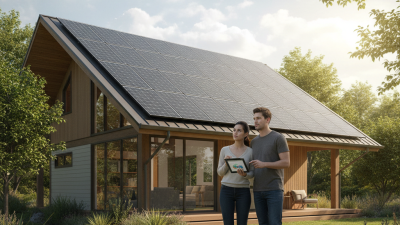
Evaluate your home’s solar potential. Look for roof space and orientation. Shade from trees or buildings can affect solar efficiency.
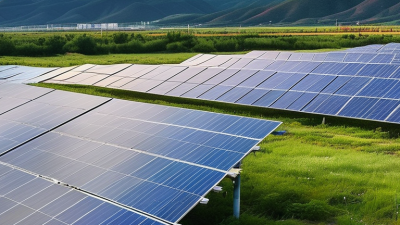
You might need to reflect on whether your roof is suitable for solar panels. If not, ground-mounted systems could be an alternative.
Explore local incentives and financing options. These can influence the overall cost and return on investment. Research community solar programs that may offer additional savings.
Gathering this information ensures that you make an informed choice, tailored to your specific situation.
Types of Solar PV Systems and Their Suitability for Different Situations
When considering solar PV systems, understanding their types is essential to choosing the right one. Grid-tied systems are popular due to their efficiency. They connect to the utility grid, allowing homeowners to use solar energy while also drawing power when needed. However, these systems may not offer energy security during outages. Their reliance on the grid can be a downside in emergencies.
Off-grid systems are suitable for remote areas. They operate independently and store energy in batteries. This setup ensures a reliable power supply, but it typically requires a higher initial investment. Maintenance is also crucial. If a battery fails, the entire system can be compromised.
Hybrid systems combine the benefits of both. They connect to the grid and have battery backups. This offers flexibility and reliability. However, they might require more complex installation and regular monitoring. Users should weigh their energy needs, budget, and location. Making an informed decision can lead to the best long-term benefits. It is important to reflect on potential drawbacks when choosing. Each option presents unique cases that require thorough evaluation.
Evaluating Installation Companies: What to Look For
When evaluating solar PV installation companies, several factors come into play. Experience matters. A company with a track record of successful installations is often more reliable. Look for firms that provide case studies or references. Do they have a proven history in your area? This can influence the efficiency of your system due to local climate factors.
Expertise is equally vital. Check for certifications and licenses. These demonstrate a commitment to quality and safety. Ask about the qualifications of their technicians. Understanding the technology behind solar panels is crucial for effective installation. Companies should also stay updated on industry trends and advancements.
Lastly, evaluate customer reviews and testimonials. They offer insights into service quality and support. Be mindful of patterns in feedback. Are people satisfied with their installation experience? Transparency in pricing is also essential. Hidden fees can lead to surprises later. Make sure you understand the contract fully before signing.
How to Choose the Best Solar PV Installation for Your Needs
This chart showcases key factors to consider when selecting a solar PV installation. It compares the average cost, efficiency, warranty length, and installation time of different installation options, providing a clear visual representation to aid in decision-making.
Financing Options: How to Budget for Your Solar PV Installation
When budgeting for a solar PV installation, understanding financing options is crucial. Many homeowners may not realize that multiple pathways exist. You can choose from cash payments, solar loans, or leasing arrangements. Each option has its advantages and potential drawbacks. For instance, paying cash upfront reduces long-term costs but may strain your finances initially.
Solar loans can distribute the cost over several years, making it manageable. However, they come with interest rates that could affect your budget. Leasing often results in lower monthly payments but may limit your overall savings. It's essential to calculate your energy needs and how these financing options align with your financial goals.
Consider government incentives as well, which can significantly subsidize costs. Residential solar tax credits, for example, can reduce the overall financial burden. Yet, availability may vary based on location. Remember, not all options are perfect for everyone. Assess your personal situation thoroughly and be open to revisiting your budget as new information becomes available. Abundant resources are available to help navigate this process effectively.
Maintenance and Warranty Considerations for Long-Term Satisfaction
When choosing a solar PV installation, maintenance and warranty considerations play a crucial role. A well-maintained system can significantly enhance performance. The National Renewable Energy Laboratory (NREL) reports that proper upkeep can boost system efficiency by up to 30%. Regular inspections and cleaning are essential to avoid a decline in output. Dust, debris, and shading from nearby trees can lead to reduced energy production.
Warranties are another vital aspect. Most solar panels come with a 25-year performance warranty. This guarantees that the panels will produce a specified output over their lifespan. However, the inverter, a critical component, often has a shorter warranty, usually between 5 to 10 years. Choosing quality components can mitigate potential failures. Reports indicate that improper installations often lead to issues, causing costly repairs. In fact, up to 20% of solar installations face operational issues within their first five years, according to the Solar Energy Industries Association (SEIA).
Reflecting on these factors can guide an informed choice for long-term satisfaction. Ensure that installers provide detailed service plans. An effective service plan includes monitoring for performance and timely repairs. This approach not only maintains efficiency but also extends the lifespan of your system, ultimately offering better returns on investment.