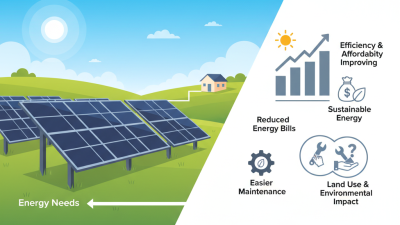
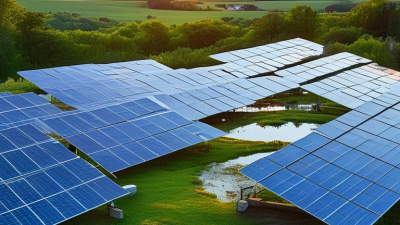
In the quest for energy savings, selecting the best roof top solar panels is crucial. According to Dr. Emily Carter, a leading expert in renewable energy, “Investing in the right solar panels can lead to significant long-term savings.” Her insight highlights the importance of choosing high-quality products. With so many options, it can be overwhelming for homeowners.
Many roof top solar panels boast impressive efficiency ratings. However, not all panels perform equally under different conditions. For instance, some may excel in sunny areas but struggle in cooler climates. This variability leads to questions about which panels truly maximize energy savings.
Understanding the pros and cons of various roof top solar panels is essential. Homeowners must consider factors like installation costs and local incentives. Research shows that the initial investment can pay off, but the timeline varies. Improving awareness about these details empowers consumers to make informed choices about solar energy.
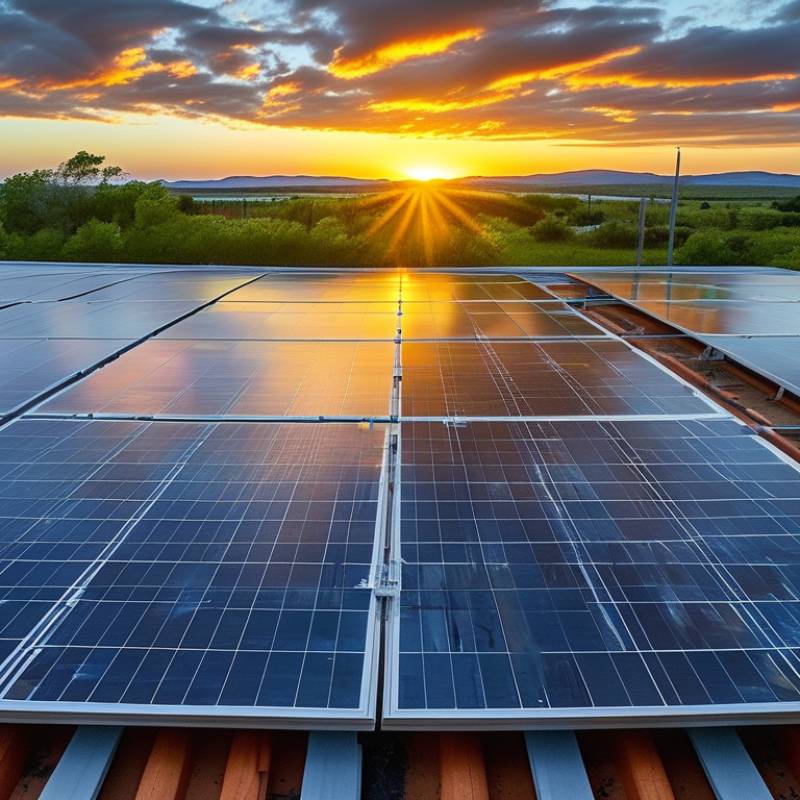
When selecting rooftop solar panels, consider several important factors. Efficiency is a key aspect. Choose panels with a high efficiency rating to maximize energy output. Efficiency influences how much sunlight is converted into usable electricity. More efficient panels can lead to greater energy savings, especially in smaller spaces.
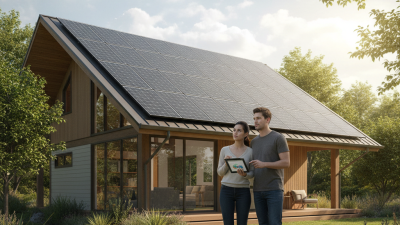
The orientation and tilt of your roof also matter. A south-facing roof typically receives the most sunlight. The angle affects the amount of solar energy the panels can capture. Additionally, local climate conditions play a significant role. Areas with frequent cloud cover may require different panels compared to sunnier locations. It's crucial to evaluate how these factors align with your energy needs.
Budget constraints should not be overlooked. While higher efficiency panels may cost more upfront, they can save money in the long run. It's essential to analyze potential return on investment. Sometimes, spending less leads to lower performance, which can be disappointing over time. Balancing costs with quality and efficiency is a delicate dance that needs careful thought. Understanding these elements can lead to smart, informed decisions about solar panel installations.
When considering rooftop solar panels, several types stand out in the market. Mono-crystalline panels are known for their high efficiency and sleek appearance. They use high-purity silicon, making them compact and ideal for limited space. However, they come at a higher price point, which may deter budget-conscious buyers.
Poly-crystalline panels are another option. These panels are made from multiple silicon crystals. They are generally less efficient than mono-crystalline panels but are more affordable. This makes them a popular choice for homeowners with ample roof space. Yet, their less efficient performance may lead to lower energy savings in the long run.
Thin-film solar panels provide flexibility in installation. They are lightweight and can be placed on various surfaces. However, their lower efficiency often means larger areas are required to generate the same energy as more traditional panels. This raises a question: is the trade-off worth the potential convenience? Each type has its pros and cons. Careful consideration is crucial in finding the best fit for your energy needs and roof specifications.
Installing solar panels on your roof can yield significant energy savings. According to the Solar Energy Industries Association (SEIA), solar installations in the United States grew by over 20% in 2022. With more homeowners adopting this technology, it’s clear that the benefits are substantial.
One of the primary advantages is reduced electricity bills. Homeowners can save thousands over the lifespan of their solar systems. A study from the National Renewable Energy Laboratory (NREL) found that solar can reduce energy costs by up to 70%. Additionally, installing solar panels can increase property value. Homes with solar systems sell at higher prices, offering a solid return on investment.
To maximize savings, consider your roof's orientation and shading. South-facing roofs receive the most sunlight. Ensure your panels are clean and free from debris to maintain efficiency. Additionally, think about whether to invest in battery storage. This option allows you to use stored energy during peak hours, further enhancing savings. Flexibility in system design can lead to a more tailored, effective solution for your energy needs, reflecting the unique aspects of each home.
Rooftop solar panels are becoming a popular choice for homeowners seeking energy savings. According to the U.S. Department of Energy, solar energy can reduce electricity bills by up to 70%. This substantial savings relies on the solar panel system's efficiency and local sunlight availability. Professionals recommend that homeowners evaluate their roof's orientation and shading to maximize their investment.
Installing solar panels not only cuts energy costs but also increases home value. A 2019 report by Zillow found that homes with solar panels sold for an average of 4.1% more than those without. Additionally, the Environmental Protection Agency suggests that embracing solar power contributes to reduced carbon footprints. This dual benefit of financial and environmental savings aligns perfectly with modern sustainability goals.
Consider integrating energy-efficient appliances alongside your solar setup. This combination can further enhance savings. Regularly clean your solar panels to maintain efficiency levels. Keep an eye on your local regulations concerning solar energy systems, as these can impact installation and savings. Adopting solar technology is a step forward, but continual adjustments may be needed to optimize its efficiency.
| Panel Type | Efficiency (%) | Cost per Watt ($) | Warranty (Years) | Average Energy Savings ($/year) |
|---|---|---|---|---|
| Monocrystalline | 20.5 | 3.00 | 25 | 1,200 |
| Polycrystalline | 15.5 | 2.50 | 20 | 900 |
| Thin Film | 11.0 | 1.50 | 10 | 600 |
| Bifacial | 21.0 | 3.50 | 30 | 1,500 |
Solar panels can significantly reduce energy bills, but maintenance is crucial for their efficiency. According to a report by the National Renewable Energy Laboratory, a well-maintained solar panel system can maintain up to 95% of its initial efficiency over its lifespan. However, neglecting maintenance can lead to a 20% drop in output within just a few years.
Regular cleaning is essential. Dust and debris can block sunlight, diminishing energy collection. Aim to inspect and clean your panels every 6 months, or more frequently in dusty areas. Monitor for any shade from nearby trees or buildings that could affect performance. A well-oriented and unobstructed solar panel system generates maximum energy.
Check the inverter regularly too. The inverter is the heart of your solar system, converting sunlight into usable electricity. A malfunctioning inverter can lead to reduced energy production. Some systems monitor their performance and will send alerts if something is amiss. Be proactive; schedule annual professional check-ups to ensure every component operates optimally. Staying vigilant about maintenance means enjoying the full benefits of your solar investment.