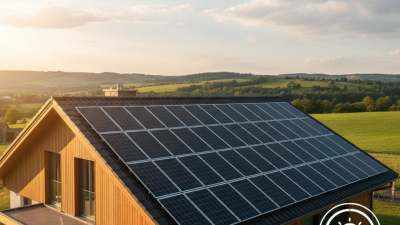
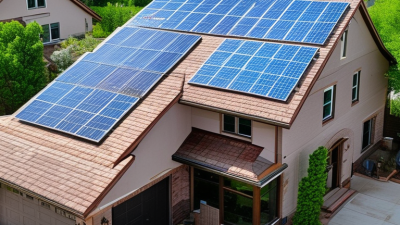
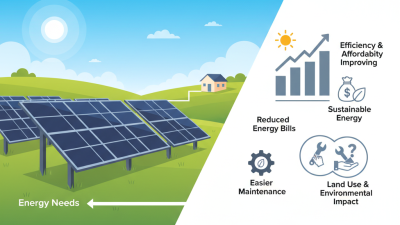
In recent years, the adoption of PV panels has surged among businesses seeking sustainable energy solutions. According to a report from the International Renewable Energy Agency (IRENA), solar energy could supply up to 13% of global electricity by 2030. This shift not only demonstrates a commitment to sustainability but also highlights the cost-saving potential that PV panels offer. Industry expert Dr. Emily Carter emphasizes, “Investing in solar technology is no longer a choice; it’s a necessity for forward-thinking businesses.”
The benefits of implementing PV panels extend beyond just energy savings. Businesses can reduce their carbon footprint, enhance their brand image, and potentially qualify for tax incentives and rebates. A study from the National Renewable Energy Laboratory (NREL) states that companies utilizing solar energy can lower operational costs by an average of 30%. Nonetheless, the initial investment can be daunting, leading many businesses to hesitate. This cautious approach often stems from a lack of understanding of long-term financial gains.
Incorporating PV panels into business operations not only fosters innovation but also challenges companies to rethink their energy strategies. Companies must consider the upfront costs against the potential for significant savings and sustainability. As the market evolves, the dialogue around PV panels will likely shift, reflecting an industry that is constantly striving for improvement and efficiency.
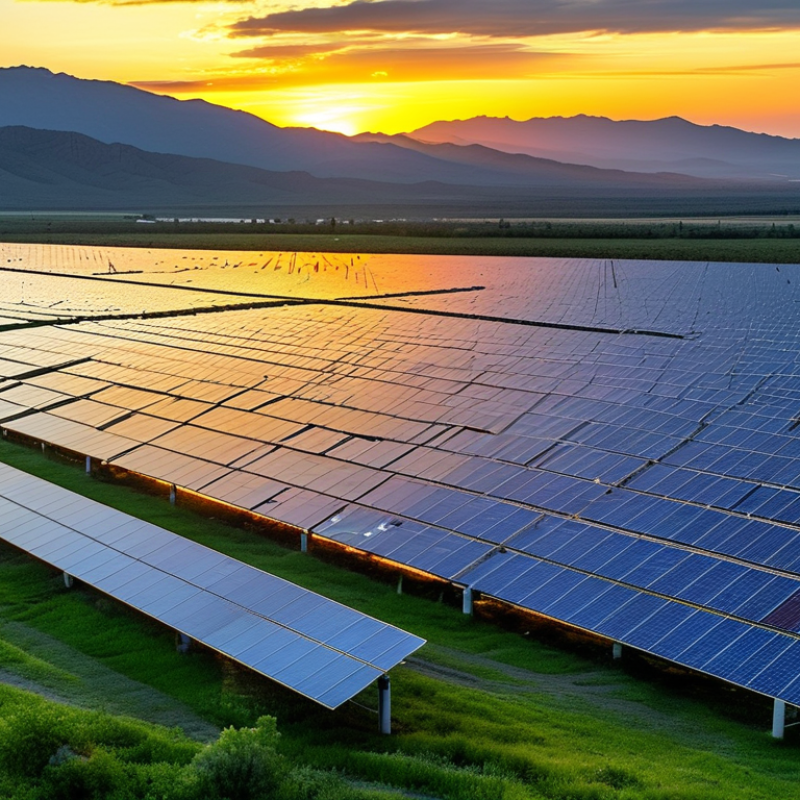
The adoption of renewable energy in business operations is transforming the landscape of corporate sustainability. According to the Solar Energy Industries Association, businesses can save an average of $20,000 per year after installing photovoltaic (PV) panels. This significant reduction in energy costs can be a game-changer for small to medium enterprises (SMEs), allowing them to reallocate funds to growth initiatives.
Many companies are now assessing their carbon footprints. A recent report from McKinsey highlights that firms adopting sustainable practices can improve their brand image significantly. Customers are becoming more environmentally conscious. They prefer brands that demonstrate commitment to sustainability. Additionally, businesses utilizing renewable energy sources benefit from federal and state incentives, making the initial investment more feasible.
However, the transition is not without challenges. Initial setup costs can be daunting. Some businesses struggle with the fluctuating regulations surrounding renewable energy investments. Proper planning and evaluation are crucial before making this significant change. Studies have shown that organizations that invest time in sustainability strategies see better long-term results. It’s essential for companies to weigh the risks and rewards while considering how renewable energy aligns with their mission.
Businesses are always looking for ways to cut costs. One effective solution is installing photovoltaic (PV) panels. By harnessing solar energy, companies can significantly reduce their energy expenses. This can lead to improved profit margins. Over time, the savings become greater as electricity rates rise.
The initial investment in PV panels may seem daunting. Yet, the long-term financial benefits often surpass the upfront costs. With incentives and tax credits, many businesses find the transition easier. Additionally, companies that invest in renewable energy boost their public image. This can attract eco-conscious customers.
Energy savings through PV panels also create opportunities for reallocating funds. Businesses can invest in innovation or employee development. However, companies must assess their energy needs and the feasibility of solar energy in their location. Each business's situation is unique, requiring careful analysis before proceeding. This reflection can lead to better decision-making.
The adoption of solar energy through PV panels presents a significant opportunity for businesses to make a positive environmental impact. According to the International Energy Agency, solar energy is expected to be the fastest-growing renewable energy source over the next decade. By switching to solar, companies can reduce their carbon footprint and contribute to combating climate change. For instance, a typical commercial solar installation can eliminate nearly 100 tons of carbon dioxide emissions per year.
Embracing solar energy not only benefits the planet but also improves corporate responsibility. Businesses that adopt sustainable practices often enhance their brand image. A report from the Solar Energy Industries Association highlights that 87% of consumers prefer to purchase from companies committed to sustainability. However, there may be upfront costs associated with installation, and not every business can access sufficient sunlight. This reality necessitates careful planning and assessment.
Furthermore, local ecosystems can be positively influenced by reduced reliance on fossil fuels. Solar energy reduces air pollution, benefiting public health. Yet, potential challenges remain, such as land use and the end-of-life management of solar panels. As the industry evolves, addressing these issues will remain critical for future growth and environmental benefits.
Utilizing photovoltaic (PV) panels can significantly enhance a business's reputation. Many consumers today are eco-conscious. They are drawn to companies that demonstrate sustainability. When a business invests in solar energy, it sends a strong message. This indicates a commitment to environmental responsibility.
Visuals play a critical role in brand perception. A business featuring solar panels is perceived as modern and innovative. People often associate such investments with forward-thinking and reliability. Furthermore, this visible commitment to green energy can attract new customers. It can also enhance loyalty among existing ones, who appreciate ethical practices.
However, the shift to solar is not without challenges. Some businesses may struggle with initial costs. There are complex installation processes and maintenance needs too. It is essential for businesses to weigh these factors carefully. Emphasizing transparency about the transition process can also build trust. Sharing successes and setbacks can strengthen the brand's authenticity.
Government incentives and tax benefits play a crucial role in promoting the adoption of photovoltaic (PV) panels for businesses. Many governments offer financial assistance to encourage renewable energy solutions. This support can significantly reduce upfront costs for businesses considering PV installations. Grants, rebates, and favorable loans are often available, creating an accessible pathway for companies to embrace solar energy.
In addition to upfront savings, tax incentives enhance the financial appeal of PV panels. Various states offer tax credits for renewable energy investments. Businesses can deduct a substantial percentage of the installation costs from their taxes. These benefits not only ease financial burdens but also enhance a company's green credentials. Companies can position themselves as sustainable leaders in their industries.
However, the process of securing these incentives can be complex. The specific criteria vary by region and can change over time. It requires thorough research and possibly professional advice. Businesses must weigh the benefits against potential pitfalls. Understanding the long-term commitment to maintain and operate these systems is essential, too. While the incentives are valuable, careful planning is necessary to maximize their impact.
| Benefit | Description | Government Incentives | Estimated Tax Benefits |
|---|---|---|---|
| Reduced Energy Costs | PV panels can significantly lower your electricity bills, providing long-term savings. | Various state and federal rebates available. | Up to 30% federal tax credit on installation costs. |
| Energy Independence | Generating your own electricity reduces reliance on the grid. | Incentives for off-grid systems may apply. | Potential tax deductions for off-grid installations. |
| Sustainability | Using renewable resources enhances your brand's reputation. | Grants for sustainable energy projects. | Local tax relief for green initiatives. |
| Increased Property Value | Buildings with PV systems often appraise at higher values. | Some locations offer property tax exemptions. | Investigate local incentives for property improvement. |
| Long-Term Financial Stability | Fixed energy costs protect against rising utility prices. | Possibility of financing incentives available. | Interest deductions on loans may apply. |
| Tax Write-Offs | Cost of installation can be deducted from taxable income. | Investment Tax Credit (ITC). | 30% tax credit on the total system cost. |
| Job Creation | Investing in PV systems fosters local job growth in green technologies. | Tax breaks for companies hiring locally for installation. | Tax credits for employee retention. |
| Grid Resilience | Solar panels can contribute to a more reliable energy supply. | Programs supporting resilient energy infrastructure. | Potential tax benefits for infrastructure improvements. |
| Low Maintenance Costs | PV systems have low maintenance compared to traditional energy sources. | Some service contracts may receive tax deductions. | Tax credits for maintenance contracts may apply. |
| Federal and State Support | Support available at both levels can ease the financial burden. | Grants and funding programs accessible. | Eligibility for various tax relief programs. |