What Are the 2026 Top Types of Solar Panels?
Choosing the best solar panels in 2026 requires more than comparing headline efficiency figures. A panel may perform well in a laboratory yet struggle on a hot, shaded roof. Real decisions depend on roof size, local sunlight, temperature, installation quality, and long-term degradation. Details matter.
This guide examines leading panel types, including monocrystalline PERC, TOPCon, heterojunction, back-contact, thin-film, and emerging tandem designs. TOPCon and heterojunction panels deserve attention because they combine strong efficiency with improving temperature performance. Back-contact models can create a clean appearance and use limited roof space effectively. Thin-film technology may suit large, lightweight installations, although its lower efficiency can demand more area. Perovskite tandem panels appear promising, but commercial durability and field evidence still require careful review.
A neat ranking can mislead. The most efficient panel is not automatically the best purchase. I have seen specifications look impressive until shading, wiring losses, or poor ventilation changed the result. That distinction matters. Reliable comparisons should consider independently tested performance, product and workmanship warranties, degradation rates, fire safety documentation, and manufacturer support. Certification and installer experience also deserve close attention.
This overview uses current industry knowledge and practical evaluation criteria rather than promotional claims. Some 2026 technologies may improve quickly, while others may remain expensive or difficult to source. That uncertainty is important. By comparing measurable performance, installation conditions, expected costs, and real-world limitations, readers can identify solar panels that fit their homes, businesses, and energy goals with greater confidence.
Solar Panel Types Expected to Lead the Market in 2026
What Are the 2026 Top Types of Solar Panels?
Solar panel types expected to lead the market in 2026 will likely balance efficiency, cost, and long-term reliability. N-type TOPCon panels are strong candidates for mainstream installations. They offer improved performance in hot conditions and lower degradation than many older designs. Their manufacturing scale may also keep prices competitive.
Heterojunction panels should remain important where roof space is limited. They combine high efficiency with useful temperature performance. Interdigitated back contact panels may lead premium residential projects, especially when appearance matters. Thin-film panels could grow in commercial spaces with lightweight roofs, although their lower efficiency limits broader use. Market forecasts can change quickly. Supply chains, interest rates, and local incentives still matter.
Tips: Check more than the efficiency percentage. Compare the panel’s temperature coefficient, degradation rate, warranty terms, and performance in shaded conditions. Ask an installer to model your roof using its actual direction, pitch, and seasonal sunlight. A slightly less efficient panel may produce more value when it costs less and fits the roof better. I have seen buyers focus on laboratory ratings and overlook installation quality. That mistake can reduce real-world output. Also, newer technology is not automatically the best choice. A proven panel with transparent testing may deserve more trust than an impressive specification.
What Are the 2026 Top Types of Solar Panels?
Expected 2026 global module technology mix, based on commercial maturity, manufacturing scalability, efficiency trends, and current industry adoption.
N-type TOPCon is expected to lead in 2026 because it combines higher efficiency and lower degradation with production processes that can be scaled from existing crystalline-silicon lines. PERC remains important due to its large installed manufacturing base, while HJT and IBC are likely to expand in premium-efficiency applications. Thin-film modules remain relevant for selected utility-scale and specialized projects.
How Polycrystalline and Thin-Film Panels Compare
What Are the 2026 Top Types of Solar Panels?
How Polycrystalline and Thin-Film Panels Compare
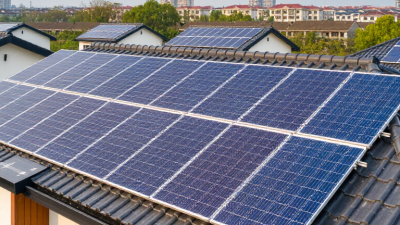
In 2026, polycrystalline and thin-film panels remain practical choices for different sites. Polycrystalline cells use multiple silicon crystals, creating their familiar blue, grainy appearance. They usually offer lower purchase costs than high-efficiency silicon panels. However, they need more roof space for the same electricity output. On a clear roof, this difference becomes noticeable. Space is not free.
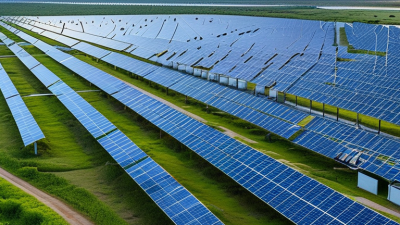
Thin-film panels use very thin semiconductor layers on glass, metal, or flexible materials. They often perform steadily in weak light and high temperatures. Their lighter construction can suit large roofs, curved surfaces, and some commercial buildings. Their efficiency is commonly lower, so installation may require a larger area. Some thin-film materials also show different long-term degradation patterns, which installers should measure rather than assume.
A careful comparison starts with real operating conditions. Check temperature coefficients, shading behavior, warranty terms, and independently tested power ratings. A qualified installer should also examine roof strength, ventilation, wiring routes, and local electrical requirements.
I would not choose polycrystalline panels only because they appear cheaper. Nor would I select thin film simply because it sounds more advanced. A shaded warehouse may benefit from thin film, while a compact home roof may favor higher-output silicon technology. My own judgment would remain cautious: laboratory efficiency does not always match a dusty roof, partial shade, or months of heat. Ask for production estimates based on the actual address, not an idealized roof.
New High-Efficiency Technologies Shaping 2026 Solar Panels
In 2026, solar panel progress is less about appearance and more about usable energy from limited roof space. High-efficiency designs now combine n-type silicon cells, refined passivation, and improved light capture. TOPCon panels commonly offer strong efficiency, lower light-induced degradation, and stable output in hot climates. Heterojunction technology adds thin amorphous-silicon layers around crystalline cells. This structure can reduce temperature losses, especially on dark roofs under intense summer sun. Still, efficiency figures come from controlled tests. Real roofs are messier.
Back-contact panels move electrical contacts behind the cell, leaving more active surface exposed to light. This approach supports high power in compact modules and can simplify attractive roof layouts. Perovskite-silicon tandem panels are the boldest 2026 development. They use two light-absorbing layers, allowing a wider portion of sunlight to become electricity. Early products and pilot systems look promising, but long-term moisture resistance remains a practical question. A panel can impress in a laboratory. It must survive hail, heat, humidity, and decades of voltage stress.
For buyers, the top type depends on roof area, local temperature, shading, and installer quality. A slightly less efficient panel with better warranty terms may provide more dependable value. Check independently verified efficiency, power tolerance, degradation rate, fire classification, and recycling arrangements. Field assessments often reveal hidden installation assumptions. That is easy to miss. Technology is advancing quickly, yet maintenance access and inverter compatibility still shape daily performance. The newest cell is not always the wisest choice. Sometimes, honest roof measurements matter more.
How to Choose the Right Solar Panel Type for Your Needs
In 2026, choosing a solar panel means matching technology to your roof, climate, and electricity habits. Monocrystalline panels remain a strong choice for limited roof space because they usually deliver high power from a smaller area. Newer n-type designs, including TOPCon and heterojunction cells, can offer better temperature performance and lower long-term degradation. Results still vary by manufacturer and installation quality.
Bifacial panels may suit open roofs, elevated systems, or bright surfaces that reflect sunlight. They are less useful where the rear side stays shaded or sits close to a dark roof. Thin-film panels can perform well on large, lightweight structures, but they often need more space. I have seen homeowners focus on efficiency percentages and overlook winter shade. That mistake can reduce annual production more than a small technology difference. Use an installer’s shade report, roof measurements, and local solar data before comparing prices.
Tips: Check the panel’s temperature coefficient, degradation rate, product warranty, and independent test results. Ask how the system will perform during cloudy months, not only on clear days. Compare annual energy estimates rather than panel wattage alone. Leave room for uncertainty; forecasts are useful, but nearby trees can grow faster than expected. If your roof may be replaced soon, plan that cost before installation. Some advice sounds technical, yet the best choice is often the panel that fits your roof, budget, maintenance expectations, and daily electricity use.