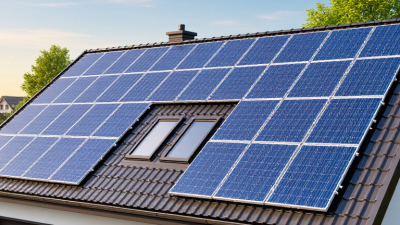
For many businesses, solar pv installation is a practical investment in energy resilience and long-term cost control. A warehouse roof, retail building, or factory car park can become a productive energy asset. Solar panels generate electricity during daylight hours, when many businesses operate lighting, cooling, machinery, and computer systems. This can reduce reliance on grid electricity, depending on system size, local tariffs, and daily demand. The benefits are real, but they are not automatic.
A professional assessment should examine roof strength, shading, panel orientation, electrical capacity, and future building plans. An experienced installer can review twelve months of electricity bills and compare them with expected solar production. Inverters, monitoring equipment, mounting systems, and protection devices also require careful selection. Reputable contractors should provide clear design documents, product warranties, workmanship terms, and realistic performance estimates. Local utility rules and applicable electrical standards must guide the connection process.
Every site has limitations. A shaded roof may deliver less energy than a sales proposal suggests. Older wiring may need upgrades, adding time and expense. Battery storage can improve flexibility, but it may not suit every operating pattern. These details deserve honest discussion before contracts are signed. Businesses should also plan inspections, cleaning where necessary, inverter checks, and performance reviews. Small oversights matter. With qualified advice and documented maintenance, solar pv installation can support stronger energy planning while revealing where assumptions need improvement.
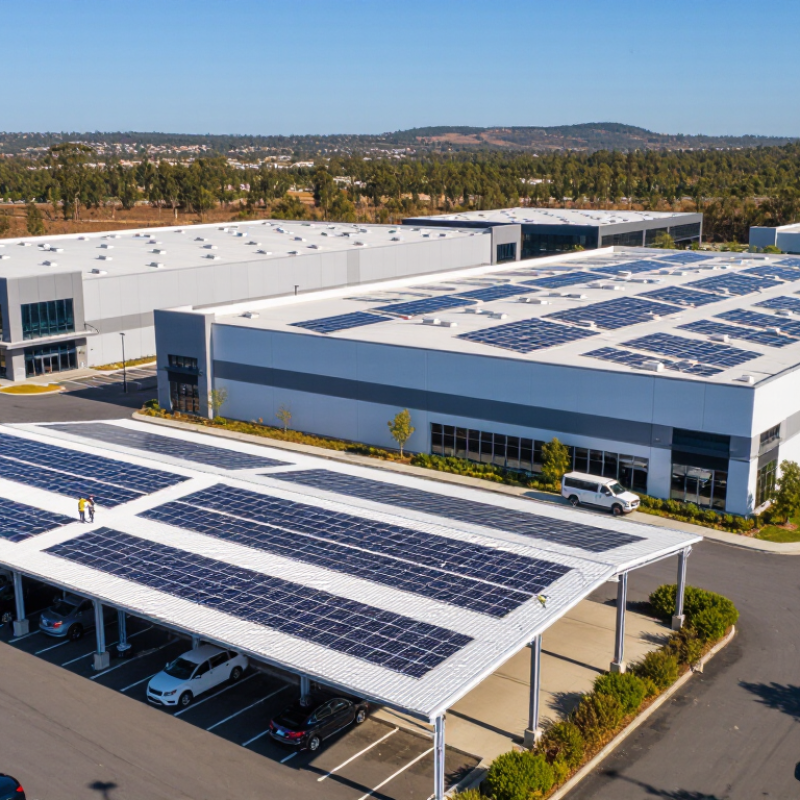
Solar PV installation means turning a commercial roof, car park, or unused site into an electricity-generating asset. The roof matters. A professional survey checks structural capacity, shading, drainage, fire access, and cable routes before design begins. This prevents a common mistake: treating every large roof as installation-ready.
According to the International Energy Agency’s Renewables 2024 report, global solar PV additions reached almost 420 gigawatts in 2023. Solar represented about three-quarters of new renewable capacity. For commercial properties, the strongest benefit often comes from using electricity during daylight hours. Warehouses, offices, and workshops can match solar production with cooling, machinery, lighting, and charging demand. That reduces reliance on purchased grid power, although savings depend on tariffs, export rules, and seasonal operations.
NREL’s 2021 photovoltaic degradation study reported a median degradation rate of about 0.5% per year. Maintenance still matters. Dust around roof edges, bird deposits, inverter faults, and nearby construction can reduce output quietly. Site monitoring helps identify these losses early. A clean payback estimate can still be wrong. Weather, future electricity prices, roof repairs, and financing costs deserve honest stress testing. In practice, a suitable design may include battery storage, but batteries add cost, weight, ventilation requirements, and replacement planning. The best commercial system is not always the largest one.
Why Choose Solar PV Installation for Your Business?
Solar PV systems convert sunlight into direct-current electricity through semiconductor cells. An inverter then changes it into alternating current for business equipment. Lights, refrigeration units, computers, and pumps can use this power immediately. Excess electricity may flow to the grid, depending on local rules and metering arrangements. The International Energy Agency’s PVPS Trends 2024 report recorded more than 440 gigawatts of new solar PV capacity worldwide in 2023. That growth reflects falling equipment costs and stronger commercial demand.
A practical installation begins with a load assessment, not a sales estimate. Engineers review roof direction, shading, cable routes, and hourly electricity use. A south-facing roof is not always ideal. Nearby trees can reduce morning output sharply. The system produces most power around midday, while many businesses peak later. Battery storage can shift some electricity into evening operations, but it adds cost and maintenance. According to IRENA’s Renewable Capacity Statistics 2024, solar capacity reached about 1,419 gigawatts globally by the end of 2023. These figures show scale, not guaranteed performance. Weather, dust, inverter losses, and aging modules still matter. The calculation is never perfect. Businesses should compare measured consumption with conservative production models before approving the installation. Regular inspections can reveal loose connections, soiling, or unexpected shading before energy losses become expensive.
Solar photovoltaic systems convert sunlight directly into electricity. The chart shows estimated annual electricity generation for commercial PV systems of different sizes, using a typical planning yield of 1,200 kWh per installed kW per year.
A larger PV system can generate more electricity and help reduce grid purchases. Actual production varies with location, roof orientation, shading, weather, system efficiency, and operating conditions.
Commercial solar PV can reduce electricity costs by generating power on your own premises. A warehouse roof, office car park, or factory extension may provide useful installation space. The financial benefit depends on system size, electricity prices, roof condition, and local sunlight levels.
A professional survey should check structural strength, shading, cable routes, and future roof repairs. These details affect installation costs and long-term performance. Businesses can also improve cash flow by using more solar power during working hours. Excess electricity may be exported, but payment rates and rules can change. Payback estimates are useful, not perfect. Unexpected repairs, lower production, or changing tariffs may extend the timeline. Reliable assessments should show assumptions clearly and include maintenance allowances.
Operational benefits are easy to overlook. Solar PV can support predictable daytime energy use and reduce exposure to sudden price increases. Live monitoring helps staff identify faults before they become expensive. Choose qualified installers, documented warranties, and independent electrical inspections where appropriate. Do not size the system only for maximum roof coverage; match it to actual consumption.
Review twelve months of electricity bills before requesting quotes. Compare annual generation, self-consumption, export income, maintenance, and financing costs. Ask for a roof survey and a realistic performance estimate. Keep records after installation, including meter readings and cleaning dates. A few cloudy weeks are normal. Performance should be judged over seasons, not one disappointing day.
Why Choose Solar PV Installation for Your Business?
Site, Energy, and Regulatory Factors to Assess Before Installation
A commercial solar PV decision begins with the site, not the panel catalogue. A survey should check roof age, load capacity, drainage, access, shading, and nearby obstructions. On flat roofs, afternoon shadows from plant equipment can reduce output more than expected. A structural engineer may need to verify wind and ballast requirements. Leave maintenance paths. Crowded layouts create expensive service problems.
A simple annual usage total is not enough. Review at least twelve months of bills and, where available, interval data. Compare daytime demand with expected PV production. A system can generate plenty of electricity yet miss the facility’s highest-demand hours. That mismatch matters. Seasonal operations, weekend shutdowns, and future equipment should shape the design. Forecasts are useful, never perfect. A careful reviewer should challenge estimates that ignore local weather and roof shading.
Regulatory checks should cover planning permission, building permits, electrical standards, fire access, and grid interconnection rules. Local requirements can affect equipment placement, export limits, and inspection dates. Incentives may also change, so verify current eligibility with qualified professionals. An experienced installer should provide clear drawings, equipment certificates, and a commissioning schedule. However, the building owner remains responsible for confirming approvals and contract terms. Requirements change. Ask who handles revisions, inspections, monitoring, and ongoing compliance before signing.
| Assessment Area | Key Metric | Typical Reference Value | Why It Matters for a Business | Pre-Installation Assessment | Priority |
|---|---|---|---|---|---|
| Solar Resource | Peak Sun Hours | Approximately 2–6 equivalent full-sun hours per day, depending on location and season | Higher solar irradiation generally increases annual electricity production and improves project economics. | Review location-specific solar-irradiance data and model seasonal production rather than relying on annual averages alone. | High |
| Roof Suitability | Usable Roof Area | Area remaining after excluding edges, access paths, vents, skylights, and safety clearances | The usable area determines the maximum practical PV system size and may limit energy-offset potential. | Complete a measured roof survey and reserve space for maintenance access, fire safety routes, and equipment. | High |
| Roof Condition | Remaining Roof Life | Preferably longer than the expected PV service period before major replacement | Installing panels on a roof requiring replacement soon can create additional removal, storage, and reinstallation costs. | Obtain a structural and waterproofing inspection. Repair or replace weak roof sections before installation. | High |
| Structural Capacity | Additional Dead Load | Often around 10–25 kg/m² for a roof-mounted PV array, subject to system design | The roof must safely support panels, mounting systems, ballast, wind forces, and maintenance loads. | Request a qualified structural-engineering review, especially for older buildings, lightweight roofs, and ballasted systems. | High |
| Shading Exposure | Annual Shade Loss | Lower is better; even partial shading can reduce output from affected modules or strings | Trees, neighboring buildings, rooftop equipment, and parapets can reduce generation and alter the financial return. | Use a shade analysis or 3D site survey covering morning, midday, afternoon, and seasonal sun positions. | High |
| System Orientation | Azimuth and Tilt | Orientation and tilt should be optimized for local sunlight and the business load profile | A design that produces electricity when the business is operating can increase on-site consumption and reduce grid purchases. | Compare roof orientation, tilt options, row spacing, and expected production by hour and month. | Medium |
| Electricity Demand | Annual Consumption | Measured in kWh per year from utility bills or interval-meter data | Consumption data is required to size the system and estimate how much solar electricity can be used on site. | Collect at least 12 months of bills; use 15-minute or 30-minute interval data when available. | High |
| Load Profile | Daytime Load Share | Higher daytime demand generally increases direct solar self-consumption | Businesses operating during daylight hours may use more generated energy directly, reducing exports and grid purchases. | Compare hourly load data with modeled PV output. Consider shifting flexible loads to sunny operating hours. | High |
| System Sizing | PV Capacity | Specified in kW or MW of direct-current capacity; final size depends on roof area, demand, and interconnection limits | Oversizing or undersizing can affect self-consumption, export revenue, capital cost, and network approval. | Evaluate several system sizes using annual yield, hourly self-consumption, export limits, and financial sensitivity. | High |
| Energy Storage | Battery Capacity and Power | Measured in kWh for stored energy and kW for charge/discharge power | Storage can increase solar use after sunset, support peak reduction, and provide limited backup when properly designed. | Assess demand charges, evening loads, outage requirements, battery degradation, fire protection, and operating controls. | Medium |
| Electrical Infrastructure | Service Capacity and Voltage | Must accommodate inverter output, protection equipment, and permitted export levels | Insufficient switchgear, transformer capacity, or cable ratings can require upgrades and delay commissioning. | Review single-line diagrams, main-switch ratings, protection settings, transformer capacity, and point of connection. | High |
| Grid Interconnection | Export Limit | Determined by the local network operator; may be unrestricted, capped, or subject to export control | Export restrictions can change the optimal PV and battery size and may require a certified control system. | Submit an interconnection inquiry before final equipment selection and confirm protection and metering requirements. | High |
| Permitting | Planning and Building Approval | Requirements vary by jurisdiction, building type, system size, and visual or heritage constraints | Missing approvals can lead to construction delays, penalties, redesign, or inability to connect the system. | Confirm planning, building, electrical, fire, environmental, and heritage requirements with the relevant authorities. | High |
| Electrical Compliance | Applicable Installation Standards | Local electrical, inverter, fire, grounding, and protection standards must be followed | Compliance protects personnel and property and is normally required for inspection, insurance, and grid connection. | Use licensed professionals and require design documents, test results, certificates, labeling, and commissioning records. | High |
| Fire and Emergency Access | Clearance and Shutdown Provisions | Requirements depend on local fire codes and building characteristics | Emergency responders need safe access, clear pathways, appropriate labeling, and isolation or rapid-shutdown provisions where required. | Coordinate the layout with fire-safety requirements and maintain access to roof zones, electrical equipment, and exits. | High |
| Financial Performance | Simple Payback Period | Calculated as net installed cost divided by estimated annual financial savings; varies widely by site | Payback provides a simple screening measure but does not replace a discounted cash-flow analysis. | Model energy prices, degradation, maintenance, financing, incentives, taxes, replacement costs, and export revenue. | Medium |
| Operations and Maintenance | Monitoring and Maintenance Plan | Continuous performance monitoring with periodic inspection and cleaning based on site conditions | Early detection of inverter faults, communication failures, soiling, and abnormal production protects energy savings. | Define monitoring access, response times, warranty responsibilities, inspection frequency, and vegetation-control procedures. | Medium |
| Business Continuity | Backup Power Requirement | Solar PV alone normally does not provide power during a grid outage unless paired with suitable storage and controls | Businesses requiring uninterrupted operations need a separate backup architecture and an approved islanding strategy. | Identify critical loads, required backup duration, transfer equipment, battery sizing, and generator coordination if applicable. | Medium |
Reference values are general planning ranges. Final sizing, safety clearances, approvals, interconnection limits, and financial results must be verified for the specific site and jurisdiction.
A reliable solar PV project begins with a careful site assessment. Engineers examine roof strength, shading, orientation, drainage, and available electrical capacity. Recent electricity bills help define the system size. An oversized array may waste capital, while an undersized one may disappoint. A first estimate is rarely perfect.
Planning also includes permits, grid connection requirements, fire access, equipment placement, and worker safety. Qualified professionals should prepare the design and document every assumption. Clear financial modelling should include installation costs, maintenance, insurance, expected generation, and future electricity prices. Weather data matters. So does the roof’s remaining service life.
During installation, crews secure mounting structures, position modules, route cables, and install protective electrical equipment. Inspection and testing should occur before the system starts operating. Digital monitoring can reveal low production, inverter faults, or sudden performance changes. Maintenance is usually practical rather than complicated. Teams should inspect connections, remove harmful debris, check seals, and review production records. Snow, dust, bird activity, and nearby construction can reduce output. Small issues become expensive when ignored.
Business owners should keep inspection reports, equipment records, and warranty documents in one accessible file. A yearly professional review is sensible, although high-dust sites may need more frequent attention. Solar power is not completely hands-off. Its performance depends on disciplined planning and honest follow-up.