Top 10 Solar Storage Solutions You Need to Know About?
As the world pivots to renewable energy, Solar Storage is gaining momentum. In 2022, global solar storage installations surged by 75%, according to the International Renewable Energy Agency. This shift reflects increased demand for sustainable energy solutions. The growth shows how individuals and businesses are adopting solar technology for energy independence.
However, not all solar storage systems are created equal. Various solutions offer distinct benefits, but complications still arise. Some installations face efficiency issues, leading to energy waste. The complexity of integrating these systems into existing infrastructures can also be a challenge. These factors highlight the need for careful consideration when selecting the right storage solution.
As we explore the top solar storage options available, we aim to provide insights into what enhances efficiency and reliability. By making informed choices, we can maximize energy output and sustainability. Solar storage may transform our energy landscape, but we must approach it thoughtfully.
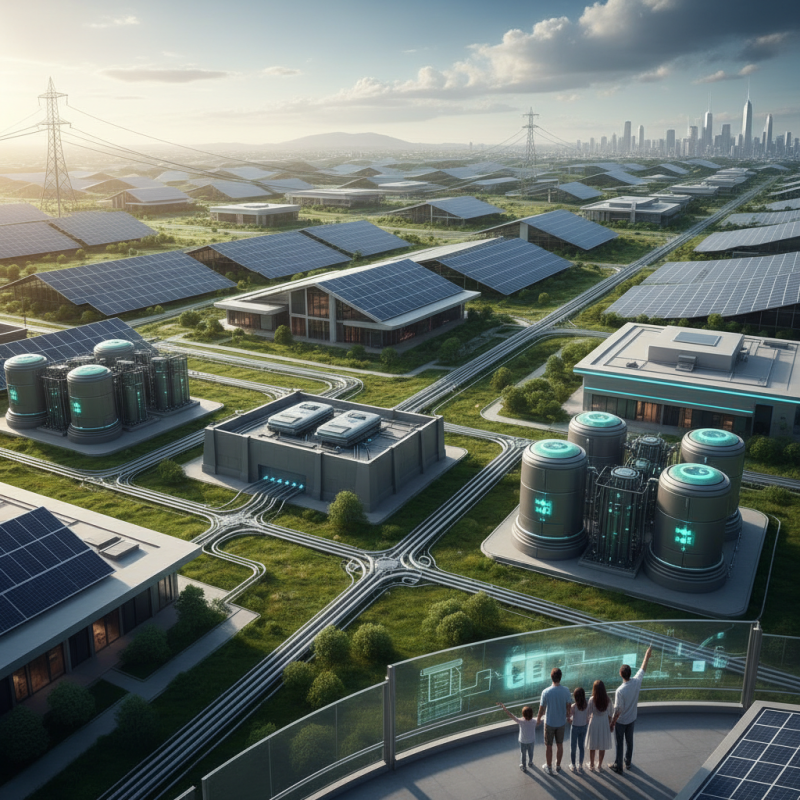
Overview of Solar Storage Solutions and Their Importance
Solar storage solutions play a crucial role in maximizing the benefits of renewable energy. They allow homeowners and businesses to efficiently store excess solar energy generated during the day. This stored energy can be used at night or during cloudy days, enhancing energy independence and reliability. With the declining cost of solar batteries, these solutions are becoming more accessible.
When choosing a storage system, consider capacity, efficiency, and warranty. Each option offers different storage capacities and performance metrics. For instance, some systems provide a higher depth of discharge, allowing more usable energy. This can lead to significant savings on electricity bills, but it comes with trade-offs in lifespan and initial cost.
Tip: Monitor your energy usage patterns. Understanding peak and off-peak times can help you utilize stored energy more effectively. This can maximize savings and reduce reliance on grid power, but improper usage might lead to wasted energy.
Balancing performance with cost is essential. Many systems may not provide enough energy for your needs if not chosen wisely. Reflect on your energy requirements and budget before investing. A wrong choice could lead to underperformance, which can be frustrating.
Types of Solar Storage Technologies Available on the Market
When considering solar storage technologies, several options stand out. Lithium-ion batteries are popular due to their high energy density. They are efficient and have a long cycle life. However, they can be costly and may pose environmental concerns. Still, many people trust them for home energy storage.
Lead-acid batteries are another choice. They are often more affordable than lithium-ion. Despite their lower energy density, they are reliable for backup systems. However, they require more maintenance and have a shorter lifespan. Additionally, new players are introducing flow batteries. These offer scalability and longevity but tend to be complex and less familiar to users.
Emerging technologies like solid-state batteries promise improved safety and efficiency. They could represent the next leap in solar storage. However, they remain in developmental stages. Each technology has its pros and cons. Understanding each type is vital for making informed choices. You must weigh the benefits against the limitations.
Key Features to Consider When Choosing Solar Storage Solutions
When selecting solar storage solutions, several key features should be prioritized. Battery capacity is crucial. It determines how much energy the system can hold. The larger the capacity, the more power you can use during non-sunny periods. Look for options that suit your energy needs. Some systems may fall short during peak demand times.
Efficiency ratings also play an essential role. The rate at which the battery stores and releases energy affects overall performance. A system with high efficiency can save you money over time. Don't overlook discharge rates either. A quick discharge allows for immediate power access when needed most.
Consider lifespan, too. The longevity of a battery impacts long-term viability. A battery that wears out quickly may not provide sufficient value. Additionally, weight and size matter, especially if space is limited. Installation challenges can also arise. Always reflect on how these features fit into your specific situation. Balancing performance and practicality is key.
Top 10 Solar Storage Solutions You Need to Know About
The following chart displays the capacity (in kWh) of the top 10 solar storage solutions available in the market. When choosing a solar storage solution, consider factors such as capacity, lifetime, warranty, and efficiency.
Top 10 Solar Storage Solutions: Features and Benefits
When considering solar storage solutions, it's crucial to understand their features and benefits. Solar batteries store energy generated from sunshine. This stored energy can be used during nighttime or cloudy days. A reliable storage system increases energy independence. It reduces reliance on the grid. This can lead to savings on electricity bills.
Some systems offer software for monitoring usage. This data allows homeowners to adjust consumption effectively. Others have user-friendly interfaces, simplifying operation. But not all solutions provide the same efficiency. Factors such as storage capacity and lifespan vary. It’s essential to reflect on your energy needs. Test out different products if possible. Some types may not fit your specific situation.
Cost is another factor to consider. While some systems might seem expensive, they could lead to long-term savings. Choosing a solution without careful research can lead to frustration. You may end up with a device that doesn’t fulfill your needs. It’s wise to think critically about each option. Make sure to weigh the pros and cons thoroughly before making a decision.
Top 10 Solar Storage Solutions You Need to Know About
| Storage Solution | Type | Capacity (kWh) | Features | Benefits |
| Solution A | Lithium-ion | 10 | Fast Charging, Lightweight | High efficiency, Space-saving |
| Solution B | Lead-acid | 12 | Cost-effective, Reliable | Long service life, Proven technology |
| Solution C | Flow Battery | 15 | Scalable, Long duration | Good for large-scale applications |
| Solution D | Nickel-Manganese-Cobalt | 13 | High energy density, Safety | Long lifespan, Reduced risk of overheating |
| Solution E | Sodium-ion | 11 | Abundant materials, Safe | Lower costs, Eco-friendly |
| Solution F | Aqueous Electrolyte | 9 | Non-flammable, Low cost | Safety and affordability |
| Solution G | Graphene Battery | 14 | Fast charging, High cycle life | Next-gen technology, Improvement in performance |
| Solution H | Zinc-air | 8 | Lightweight, Low cost | Environmentally friendly, Always available |
| Solution I | Lead-carbon | 10 | Hybrid technology, Quick charging | Enhanced performance and durability |
| Solution J | Organic Battery | 7 | Biodegradable components, Low toxicity | Sustainable solution, Environmentally friendly |
Future Trends in Solar Storage Technology and Market Growth
Solar storage technology is evolving rapidly. This sector plays a crucial role in enabling efficient energy use from solar panels. As we move towards a greener future, market growth in solar storage is expected to surge. Innovations are driving efficiency and affordability. New materials, like solid-state batteries, promise longer life and better performance.
Tips: Consider the location of your solar storage system. Climate impacts performance. A well-placed system captures more sunlight, maximizing benefits.
Emerging technologies show promise in energy storage capacity and speed. Lithium-ion batteries remain popular but are not the only option. Alternatives, such as flow batteries and even hydrogen storage, are being explored.
Tips: Always evaluate energy needs carefully. Your household’s consumption patterns matter. Make sure your storage solution aligns with your energy requirements.
While advancements are happening, not all solutions are equal. The market can be confusing. Some products may not deliver as promised. Always do thorough research before making a decision. The right choice impacts both cost and efficiency long-term.
