As the world shifts toward sustainable energy, solar power is gaining traction. Solar racking systems play a critical role in maximizing efficiency. These solutions support solar panels and ensure they capture sunlight effectively.
In 2026, the market will likely present innovative solar racking options. Some may focus on adaptability, while others optimize performance. The effectiveness of these systems can greatly influence energy production. However, not all options are ideal for every situation.
Choosing the right solar racking can be challenging. Several factors include geographic location, installation surface, and budget. It's essential to weigh these details carefully. By exploring the top solutions, we can enhance our understanding and reshape our renewable energy strategies.
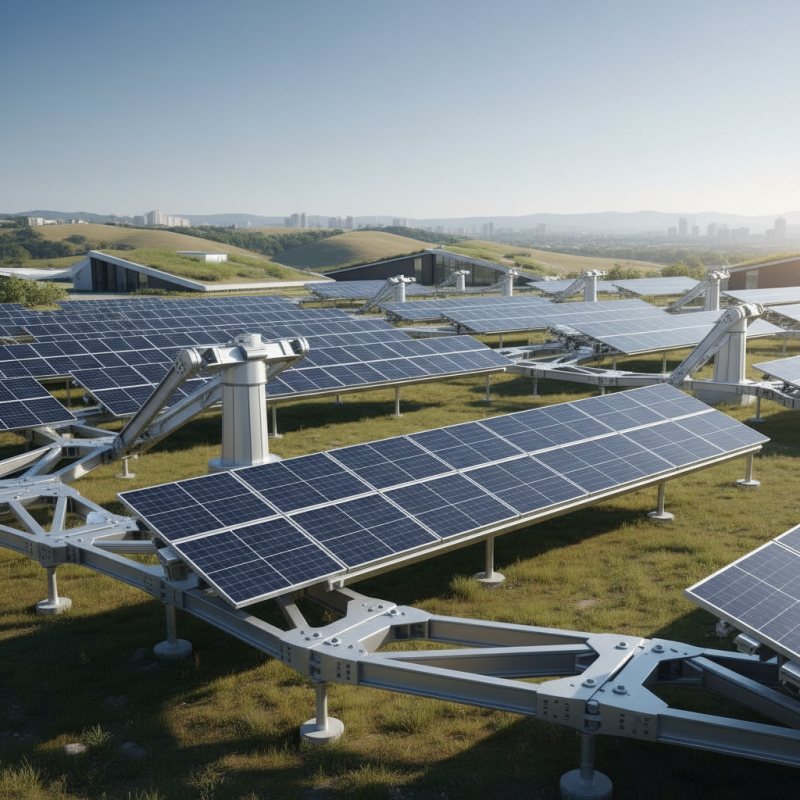
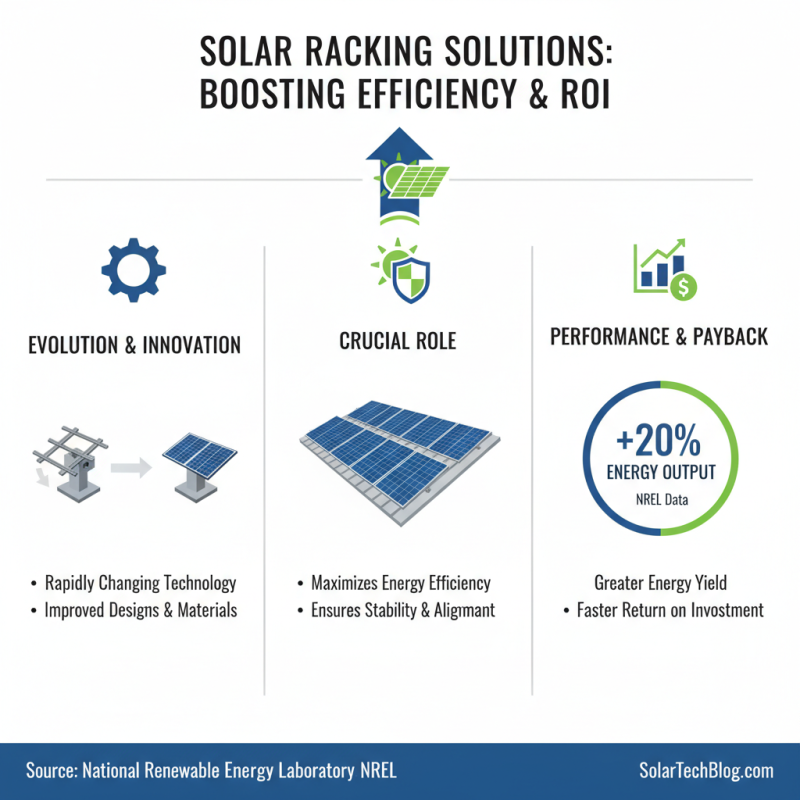
The landscape of solar racking solutions is evolving rapidly. Racking systems play a crucial role in maximizing solar energy efficiency. Proper alignment and stability can significantly impact energy output. According to the National Renewable Energy Laboratory, optimal racking can enhance solar panel performance by up to 20%. This enhancement leads to greater energy yield and faster return on investment.
Modern racking solutions offer various designs, including fixed-tilt and tracking systems. Each type has its benefits and drawbacks. Fixed-tilt racks are easier and cheaper to install, but they lack flexibility in tracking the sun’s movement. Tracking systems, while often more expensive, can boost efficiency by around 30%. Yet, they require more maintenance and might be challenged by harsh weather conditions.
The adoption of solar racking technologies is not without challenges. Some installations have reported issues with durability and early degradation. A study noted that up to 15% of racking components might require replacement within the first five years. Stakeholders must address these shortcomings to ensure sustainable growth in the solar industry. Investing in robust materials and innovative designs can mitigate these risks while promoting long-term benefits.
When it comes to solar racking systems, understanding the different types is crucial for optimizing energy efficiency. Fixed-tilt systems are simple and cost-effective. They hold solar panels at a fixed angle. This method is best for regions with consistent sunlight. However, it may not capture maximum sunlight in all conditions, leading to potential energy loss.
Tracking systems are another option. These systems adjust the angle of solar panels throughout the day. They can increase energy capture by following the sun's path. However, they are often more expensive and can require more maintenance. This complexity may not suit all installations.
Tips: Choose a racking system that fits your space. Analyzing site conditions is key. This helps determine which system aligns best with your energy goals. Take into account local weather patterns, land availability, and budget constraints for better decision-making.
Pole-mounted systems are also gaining popularity. This option elevates solar panels above ground. It minimizes shading from obstacles. Despite their advantages, they may be more challenging to install. Proper site assessment and planning are necessary for successful implementation.
When selecting solar racking solutions, several key features must be considered. The material of the racking is crucial. Aluminum and galvanized steel are common choices. Aluminum is lightweight and resistant to corrosion. However, it can be more expensive. Steel is sturdy and cost-effective, but it may rust without proper treatment.
Another critical factor is the racking design. Fixed tilt systems are simpler and more affordable. They require less maintenance. On the other hand, tracking systems can significantly increase energy production. This comes at a higher installation cost and complexity. Customers often overlook the importance of wind resistance. The racking must withstand local weather conditions. A sunny day can quickly turn stormy.
Lastly, consider the installation process. Ease of installation affects labor costs and time. Some systems claim they are "easy to install." Yet this can be misleading. Training may still be necessary. It's vital to evaluate your team’s skills before making decisions. Choosing the right solar racking can significantly impact overall efficiency. Balancing durability, cost, and ease of use can be challenging.
The solar energy sector is evolving rapidly. In 2026, innovative solar racking solutions will be vital for enhancing efficiency. Designers are focusing on lightweight materials that are easy to transport and install. These materials are also durable and weather-resistant, which increases their lifespan. New adjustable racking systems will accommodate various terrains. This flexibility can lead to improved energy capture throughout the day.
Some advancements, however, raise concerns. The complexity of new systems might confuse installers. Training becomes essential to ensure optimal setup. Additionally, while cost-effective, new tech can require significant upfront investment. Not all companies can afford high-tech racking solutions, which may widen the gap between large and small providers.
Innovation is important, but it should be accessible. Thought must go into creating solutions that cater to diverse market needs. Balancing cutting-edge technology with user-friendly designs is crucial. This way, we can promote efficient renewable energy that benefits everyone.
| Racking Type | Material | Installation Speed | Durability | Tilt Angle | Cost Efficiency |
|---|---|---|---|---|---|
| Fixed Tilt | Aluminum | Moderate | High | 30° | Low |
| Ground Mount | Steel | Slow | Very High | 20° | Moderate |
| Ballasted | Plastic Composite | Fast | High | 15° | High |
| Adjustable Mount | Aluminum | Moderate | Medium | 25° | Moderate |
| Rooftop Rail | Aluminum | Fast | High | Varies | High |
When it comes to solar racking systems, proper installation and maintenance are crucial for maximizing efficiency. According to a report from the National Renewable Energy Laboratory, solar installations can lose up to 20% efficiency due to poor mounting practices. This underlines the importance of choosing the right racking solutions for your specific environment.
Tip: Ensure that the ground is leveled and stable before installation. Uneven ground can lead to misalignment, affecting the system's performance in the long run.
Regular maintenance is essential. Dust, debris, and snow can accumulate on panels, reducing sunlight absorption. A study indicates that panels maintained bi-annually performed 15% better than untreated ones. Cleaning the panels regularly can prevent this drop in efficiency.
Tip: Schedule inspections at least twice a year. Look for loose bolts, rust, or wear. Addressing these small issues can prevent larger, more costly problems in the future.
Rethink your approach periodically. Tracking new racking technologies and practices can lead to significant efficiency gains. Adaptability can make a difference in performance outcomes.