Top 10 Solar Panel Roof Mounts in China What Are the Best Options?
The solar panel roof mounts market in China has witnessed significant growth recently. According to a report by the China Renewable Energy Industry Association, the market is expected to reach $12 billion by 2025. The rising demand for renewable energy sources fuels this growth. "The proper choice of roof mounts can enhance efficiency and longevity," says Dr. Li Wei, an expert in solar energy systems.
Choosing the right solar panel roof mounts is crucial for maximizing energy output. Various options are available, each with its benefits and drawbacks. For instance, fixed mounts are simpler to install but offer less flexibility than adjustable models. Understanding the nuances of these systems can lead to better installation and energy savings.
However, it's important to acknowledge that the selection process can be overwhelming. Many homeowners may feel unsure of what to prioritize. Balancing cost, efficiency, and installation complexity is not straightforward. Making informed choices requires research and perhaps consultation with professionals. The decision on solar panel roof mounts significantly affects the overall performance of a solar energy system.
Overview of Solar Panel Roof Mounts Available in China
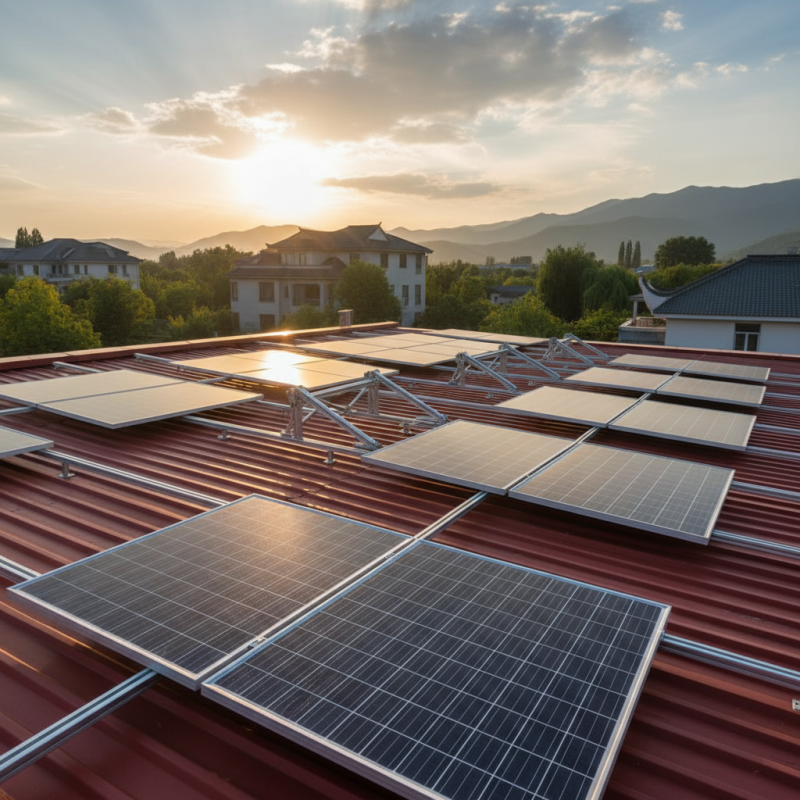
Solar panel roof mounts are essential for harnessing solar energy effectively. In China, various mounting options exist, catering to different roofs and installation preferences. The solar mounting system market is projected to reach approximately $18 billion by 2025, reflecting rapid growth in the renewable energy sector. This growth is driven by increasing solar installations across residential and commercial buildings.
Materials used in solar mounts vary. Aluminum and galvanized steel are among the most common choices. Aluminum is lightweight and resistant to corrosion, making it a preferred option in coastal areas. Steel, while heavier, offers greater durability and stability. However, improper installation can lead to issues like roof leaks. Ensuring the right installation practices are followed is crucial for long-term performance.
Additionally, fixed mounts are widely used due to their simple installation and cost-effectiveness. However, tracking mounts, which follow the sun, are gaining popularity for added efficiency. As these systems evolve, challenges remain. Not all structures can support heavy mounts, and some installations may not withstand harsh weather. Potential buyers must carefully assess their roof’s compatibility with chosen mounting solutions to avoid cost overruns and performance issues.
Top 10 Solar Panel Roof Mounts in China
| Model |
Material |
Weight (kg) |
Load Capacity (kg) |
Compatibility |
Price (USD) |
| Mount A |
Aluminum |
10 |
200 |
Polycrystalline |
120 |
| Mount B |
Steel |
12 |
220 |
Monocrystalline |
150 |
| Mount C |
Aluminum |
9 |
180 |
Bifacial |
110 |
| Mount D |
Steel |
11 |
210 |
Monocrystalline |
130 |
| Mount E |
Aluminum |
10.5 |
190 |
Polycrystalline |
140 |
| Mount F |
Steel |
12.5 |
230 |
Bifacial |
160 |
| Mount G |
Aluminum |
9.5 |
175 |
Monocrystalline |
115 |
| Mount H |
Steel |
11 |
205 |
Polycrystalline |
135 |
| Mount I |
Aluminum |
10 |
185 |
Bifacial |
125 |
| Mount J |
Steel |
12 |
215 |
Monocrystalline |
155 |
Factors to Consider When Choosing Solar Panel Roof Mounts
When choosing solar panel roof mounts, several critical factors emerge. Firstly, the material quality heavily influences durability and longevity. Roof mounts made from aluminum and stainless steel tend to last longer than those made from plastic. An industry report indicated that roughly 70% of solar panel failures are due to mounting issues. This highlights the importance of selecting robust mounting systems designed to withstand weather conditions.
Another essential consideration is compatibility with your roof type. Different roofs, such as flat or pitched, demand specific mount styles. For instance, flat roofs benefit from adjustable mounts that optimize solar angle. A study from the Solar Energy Research Institute shows that improper mounting can reduce energy efficiency by up to 15%. This highlights the need for careful planning and installation.
Lastly, installation ease and requirements are paramount. Some mounts require professional installation, which can incur additional costs. However, user-friendly designs are available for DIY enthusiasts. The fact that 40% of solar installations are self-installed shows a growing trend. It’s important to weigh the pros and cons and make an informed decision based on your unique circumstances.
Top 10 Solar Panel Roof Mounts in China
Top Materials Used in Solar Panel Roof Mounts and Their Benefits
When it comes to solar panel roof mounts, materials play a significant role in performance and durability.
Aluminum is a popular choice. It is lightweight and corrosion-resistant, which ensures longevity.
Stainless steel is another reliable option. It provides excellent strength and can withstand harsh weather conditions, ensuring panels remain secure.
However, not all materials are perfect. Some aluminum mounts may not support heavier panels effectively.
This can lead to potential damage over time.
Additionally, while stainless steel is strong, it can be prone to rust if not treated properly.
It is essential to weigh the pros and cons before making a decision.
Another option is galvanized steel.
This material offers a great balance between strength and cost.
It's treated to resist corrosion, yet it is significantly heavier.
Installation can become complicated due to its weight.
Navigating these choices can be challenging but crucial for the longevity of the solar system.
Proper research and consultation are invaluable in finding the best fit.
Comparison of Popular Solar Panel Roof Mount Brands in China
When exploring solar panel roof mounts in China, several brands stand out for their reliability and performance. Each brand offers unique features that cater to various installation needs. For example, some mounts are specially designed for sloped roofs, while others excel on flat surfaces. These differences can significantly impact installation ease and efficiency.
A recent analysis highlighted the importance of choosing a mount that fits your roof type and local climate conditions. Quality mounts resist harsh weather, ensuring durability over time. Moreover, user reviews indicate that many mounts struggle under extreme conditions, which can lead to costly repairs. This feedback suggests the need for thorough research before making a choice.
In the competitive landscape of solar panel mounts, not all brands deliver what they promise. Some users reported easy installation processes but later encountered issues with stability. It is essential to weigh these factors before deciding. Consumers should prioritize brands known for long-lasting quality and solid customer support. Making informed decisions can lead to a more efficient solar energy system.
Installation Process and Maintenance Tips for Solar Panel Roof Mounts
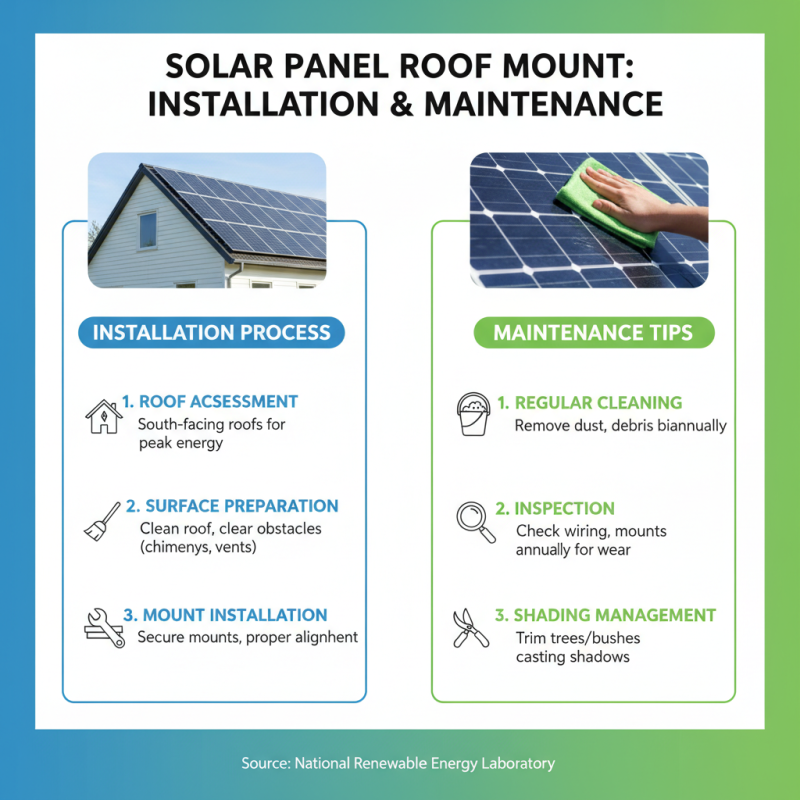
Installing solar panel roof mounts can optimize energy production. Understanding the installation process is crucial for both homeowners and professionals. Start by assessing your roof’s condition and orientation. According to the National Renewable Energy Laboratory, roofs facing south yield the highest energy output. Clean the surface before installation. Ensure there are no obstacles like chimneys or vents that could cast shadows.
Select a sturdy mounting system. If your roof is flat, consider using angled mounts. They can enhance sun exposure and improve efficiency. Proper alignment is essential. Use a level to ensure the mounts are straight. Avoid common mistakes, such as neglecting to secure the mounts adequately. An installation error can lead to costly repairs.
Regular maintenance is vital for optimal performance. Keep the panels clean to remove dust and debris. Inspect the mounts at least twice a year. Look for rust or any damage. Strong winds or storms may dislodge mounts. In these cases, prompt inspection is necessary to ensure safety and functionality. Remember, a well-maintained system can prolong its lifespan and efficiency.