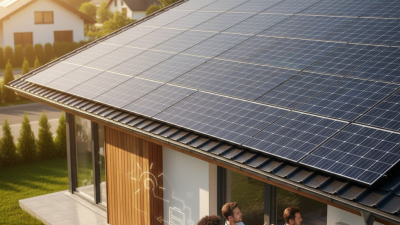
The demand for sustainable power solutions has surged in recent years. Energy panels have emerged as a crucial component in this trend. According to a report by the International Energy Agency, solar energy could account for over 20% of global electricity generation by 2040. This shift is driven by advancements in energy panels and increased efficiency.
However, not all energy panels perform equally. Some lack durability and efficiency, leading to consumer dissatisfaction. Research indicates that nearly 30% of solar panels underperform over their lifespan. This highlights a need for better innovation and quality assurance in the industry. Evaluating different energy panels helps consumers make informed choices.
As we explore top energy panels for sustainable solutions, we need to consider both their environmental benefits and potential shortcomings. While the market is filled with options promising efficiency, not all meet the expectations. Reflecting on our choices can lead to a more sustainable future, utilizing the best energy panels available.
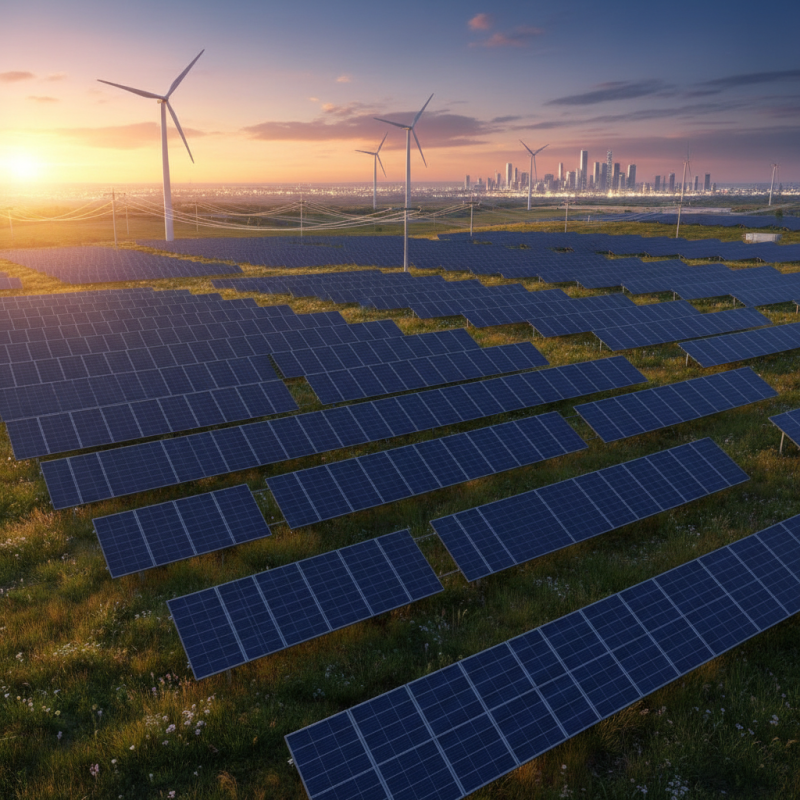
Energy panels play a crucial role in creating sustainable power solutions. These devices convert sunlight into usable electricity. They can significantly reduce reliance on fossil fuels. By harnessing solar energy, we lower carbon emissions and contribute to a cleaner environment. This shift to renewable sources is vital for combating climate change.
However, the adoption of energy panels is not without challenges. The initial installation costs can be high for many households. Additionally, inefficient designs may limit data on energy production. Not every location receives optimal sunlight year-round. This inconsistency can lead to doubts about their effectiveness. Investing in solar energy requires careful research and planning.
Moreover, recycling old panels raises environmental concerns. The disposal process must be managed properly. Otherwise, it could negate the sustainability goals set by using these technologies. Continuous innovation is needed to enhance efficiency and address these issues, paving the way for a better future in energy consumption.
Energy panels are essential for a sustainable future. Let's explore different types: solar, wind, and hydroelectric. Each solution offers unique benefits and challenges.
Solar panels convert sunlight into electricity. They are most effective in sunny areas. However, installation costs can be high. It’s crucial to consider roof space and orientation before investing. Many homeowners still feel uncertain. Research local incentives. They can make solar more accessible.
Wind panels harness the power of the wind. They thrive in open spaces with consistent wind. But they can be noisy and impact local wildlife. Finding the right location is key. Evaluate wind patterns in your area. You may need to experiment to find the best spot.
Hydroelectric systems rely on flowing water. They can be a great solution for rivers or streams. However, they require substantial infrastructure. Environmental impact needs careful assessment. Water levels can fluctuate, affecting power generation. Stay informed about water rights in your community. Adaptation may be necessary.
When exploring energy panels, keep in mind their efficiencies and limitations. Each type has distinct characteristics. An honest evaluation is vital for a successful energy transition.
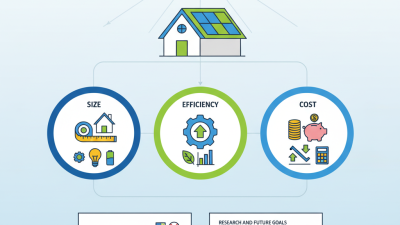
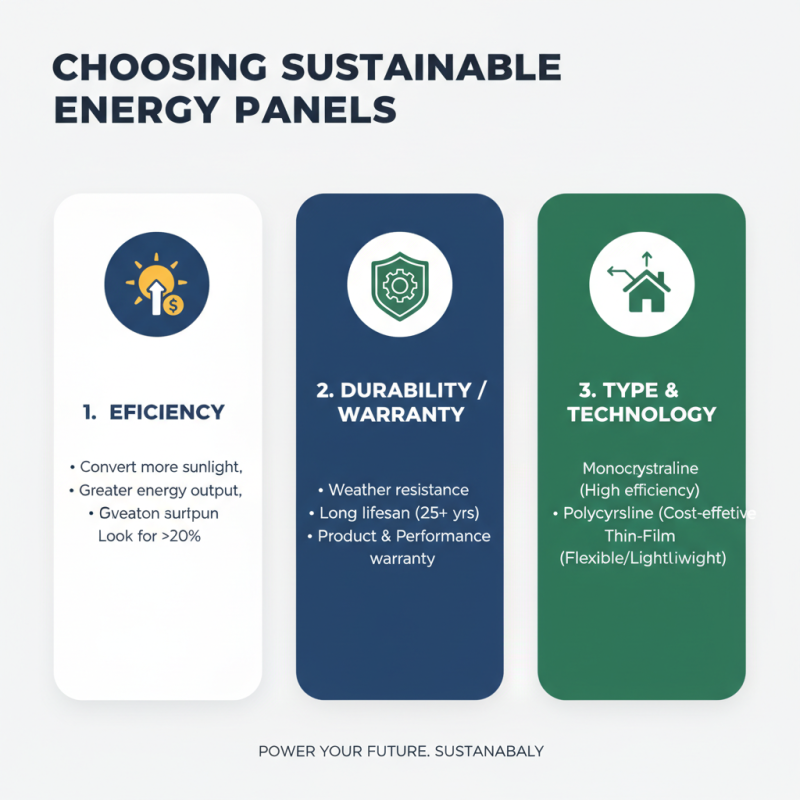
Choosing the right energy panels is crucial for sustainable power. There are several key features to consider. Efficiency is one of the most important factors. Higher efficiency panels convert more sunlight into electricity. This means greater energy output from the same space. Look for panels with efficiency ratings above 20%.
Durability is another essential aspect. Energy panels need to withstand various weather conditions. Check the materials and warranties offered. Some panels may degrade faster than expected. This can be a significant drawback. Additionally, consider the size and weight of the panels. Installers need to ensure they fit your available roof space.
Performance under low light is worth considering. Many panels struggle in cloudy conditions. Some brands provide better performance than others. Research and verify these claims. Finally, think about the energy requirements of your home. Not all panels are created equal when meeting specific needs. Reflect on these key factors to make informed choices.
In the world of sustainable energy, various technologies shine through.
Solar panels remain a popular choice. They convert sunlight into electricity efficiently.
New advancements improve their energy conversion rates. Research shows that bifacial panels can capture sunlight from both sides.
This boosts overall energy production significantly.
Another emerging technology includes thin-film panels. These panels are lightweight and flexible, making installation easier.
They work well in low-light conditions too. Yet, there's ongoing debate about their durability and efficiency.
Some users report lower energy yields compared to traditional panels.
Battery storage systems have become essential as well.
They store energy produced during the day for use at night. However, these systems can be costly and require regular maintenance.
Users must also be mindful of recycling options.
Energy solutions must be not just innovative but sustainable in the long run.
The future of energy panels looks bright as we move toward sustainable power solutions. Innovations are emerging, yet challenges remain. Efficiency, cost, and materials play a critical role in shaping this sector. Today’s panels need to harness more sunlight while reducing waste. Incorporating recycled materials can help lower the environmental impact, but not all technologies are ready for large-scale deployment.
Countries face hurdles in integrating these energy solutions into their infrastructure. Storage capacity is also a significant issue. Current battery technologies are bulky and expensive. This slows down adoption in urban areas where space is limited. While some progress is visible, public awareness and government policies must evolve simultaneously to encourage wider use.
Imagining a world powered by energy panels seems ideal. However, we must confront the reality of transitioning. Educating consumers about benefits and limitations is essential. Each energy panel installed is a step toward sustainability, but ongoing dialogue is necessary. Striking a balance between innovation and practicality could reshape our reliance on traditional energy sources.