Top 10 Benefits of Bidirectional Inverters for Global Buyers?
The advancement of technology has brought significant benefits to various industries. Among these advancements, the Bidirectional Inverter stands out. This device is crucial for energy management in various applications. Bidirectional Inverters can transfer power both ways, enhancing efficiency. As global buyers seek sustainable solutions, understanding their benefits becomes essential.
With a Bidirectional Inverter, energy flow is optimized, allowing for effective energy storage. It plays a pivotal role in renewable energy systems, particularly with solar panels. These inverters facilitate seamless energy exchange between the grid and energy storage systems. As a result, users can save costs and minimize waste, promoting environmental sustainability.
The market for Bidirectional Inverters is growing rapidly. Buyers need to consider specific factors such as reliability and compatibility. While the advantages are clear, there are challenges to consider. Not all systems are compatible, and initial costs may be higher. A thoughtful approach is necessary to maximize the potential of Bidirectional Inverters. Understanding both benefits and limitations is key to informed decision-making.
Advantages of Bidirectional Inverters in Renewable Energy Systems
Bidirectional inverters play a crucial role in renewable energy systems. They enable the seamless flow of energy between power sources and storage. Recent data indicates that the global bidirectional inverter market is projected to grow by over 15% annually, highlighting their increasing significance. This growth shows that more users are recognizing their efficiency and versatility.
One significant advantage is energy management. Bidirectional inverters optimize the use of solar energy, allowing for excess power to be stored. This stored energy can be used during peak demand, ensuring reliability. According to the International Renewable Energy Agency, systems utilizing these inverters can improve energy utilization efficiency by up to 30%. This efficiency is essential in transitioning toward sustainable energy systems.
Another benefit involves grid stability. Bidirectional inverters support grid-connected systems by providing reactive power support. This function aids in maintaining voltage levels and improving overall grid reliability. However, challenges remain in integrating these systems smoothly across various grid infrastructure. Factors like compatibility and regulation can complicate deployment. Therefore, ongoing innovations and standardizations are necessary to maximize their potential benefits.
Cost Efficiency: Savings from Utilizing Bidirectional Power Flow
Bidirectional inverters are transforming energy management for global buyers, especially in cost efficiency. These inverters enable power to flow in both directions, allowing users to harness energy from renewable sources. According to a report by the International Energy Agency, integrating bidirectional systems can save up to 25% on energy costs annually. This is significant for businesses and households aiming to reduce their expenses.
By optimizing energy usage, buyers can flatten peak demand. The U.S. Department of Energy estimates that implementing bidirectional technology can lower demand charges by as much as 30%. However, there are complexities in managing these systems. Not all users fully understand their capabilities, which can lead to underutilization. Education on operational strategies is vital for maximizing benefits.
While savings are evident, initial investment costs can be a barrier. Future maintenance and system upgrades should be considered. Moreover, consumer attitudes toward energy storage technology are still developing. Ensuring a clear understanding of long-term savings based on individual usage patterns is crucial for informed decisions.
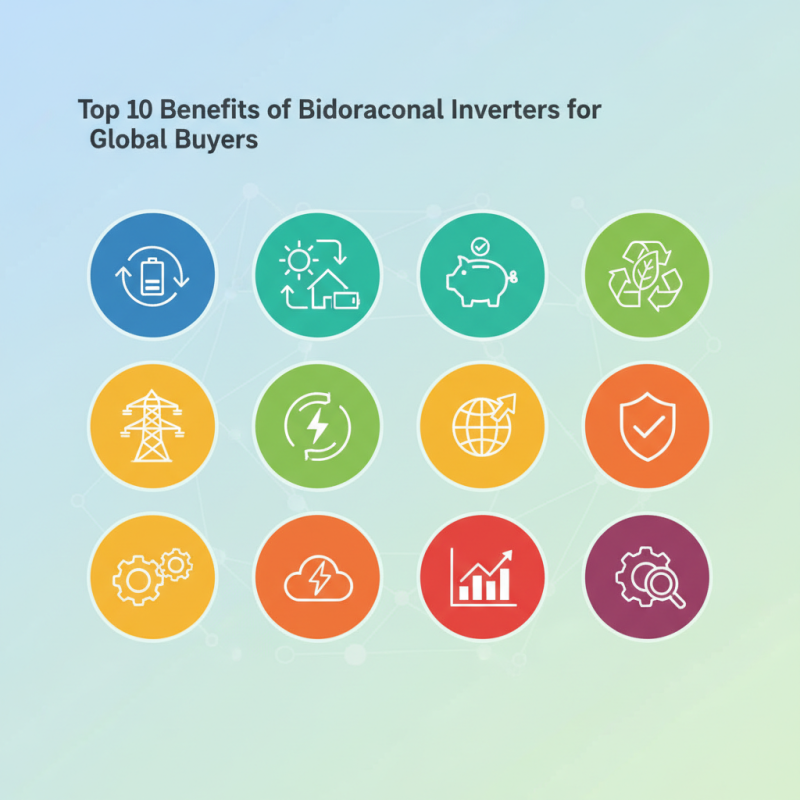
Top 10 Benefits of Bidirectional Inverters for Global Buyers
| Benefit | Description | Cost Savings (%) | Return on Investment (Years) |
| Cost Efficiency | Utilizes power flow during off-peak times to reduce energy costs. | 30% | 3 |
| Energy Storage | Enables storage of energy during low demand and usage during high demand. | 25% | 4 |
| Grid Independence | Allows users to generate and consume energy independently from the grid. | 20% | 5 |
| Sustainability | Promotes the use of renewable resources, enhancing environmental sustainability. | 15% | 6 |
| Increased Lifespan | Improves battery life by optimizing charge/discharge cycles. | 10% | 2 |
| Scalability | Easily scalable to meet future energy needs. | 5% | 7 |
| Flexible Energy Management | Offers flexibility in how energy is stored and used. | 12% | 4 |
| Enhanced Performance | Ensures efficient conversion and utilization of energy. | 18% | 3 |
| Improved Reliability | Reduces reliance on a single energy source, enhancing reliability. | 8% | 5 |
| Regulatory Compliance | Helps in adhering to energy regulations and requirements. | 4% | 6 |
Enhanced Energy Management and Grid Stability
Bidirectional inverters play a crucial role in enhancing energy management and grid stability. These devices not only convert solar energy into usable power but also allow energy to flow back to the grid. This bi-directional flow supports smoother interactions between renewable energy sources and the centralized power systems. It addresses the challenge of energy imbalance by enabling energy storage. When energy demand decreases, excess power can be stored. During peak demand, stored energy is fed back into the grid.
The stability of the electric grid greatly depends on the effective management of energy flow. Bidirectional inverters facilitate this management by regulating voltage and frequency. They respond rapidly to changes, which helps in avoiding blackouts. However, the integration of these inverters is not without challenges. The technology must be compatible with existing infrastructure. Many grids still rely on outdated systems. Efforts for updating and harmonizing standards can be slow and complex.
As we consider new technologies, it's essential to reflect on the implications. While bidirectional inverters show great promise, their adoption depends on ongoing advancements in technology and infrastructure. Transitioning to a more resilient grid requires careful planning and investment. These inverters must be part of a broader strategy for sustainable energy solutions. Balancing innovation with practicality is crucial for success.
Integration with Energy Storage Solutions: Benefits Explained
Bidirectional inverters play a pivotal role in integrating renewable energy with energy storage solutions. These devices facilitate the seamless transfer of electricity between energy storage systems and the grid. According to the International Renewable Energy Agency (IRENA), the adoption of bidirectional inverters can enhance energy efficiency by up to 20%. This drastic improvement is vital for both residential and commercial users seeking sustainable energy practices.
Moreover, bidirectional inverters support various applications, such as peak shaving and demand response. These actions lead to cost savings for consumers and lower stress on the grid during peak usage. A report from the U.S. Department of Energy highlights that properly integrated bidirectional systems can reduce utility costs by around 15%. The technology also provides resilience during power outages, as energy can be stored and used when needed most.
Despite these advantages, challenges remain. The complexity of integrating multiple systems can pose issues for buyers. Understanding each component is essential for maximizing efficiency and reliability. As the market grows, buyers should make informed decisions to effectively navigate potential pitfalls. Investing in training and resources can mitigate these risks, ensuring optimal use of bidirectional inverter technology.
Top 10 Benefits of Bidirectional Inverters for Global Buyers
Flexibility in Applications: From Residential to Commercial Usage
Bidirectional inverters offer remarkable flexibility for various applications. In residential settings, they can efficiently manage energy flow between solar panels and battery storage. This allows homeowners to harness solar energy during the day and use it at night. People enjoy reduced electricity bills while contributing to sustainable practices. The integration of these inverters smooths out power usage peaks, enhancing energy efficiency.
For commercial users, the benefits are equally compelling. Bidirectional inverters can adapt to changing energy demands, such as high consumption during business hours. Businesses can switch between grid and battery power seamlessly. This capability can prove critical during power outages. However, implementing this technology requires careful planning and understanding of energy needs. Businesses must evaluate their current energy layout and usage patterns before investing.
Despite their advantages, users might face challenges. The initial investment can be significant. Plus, some users may struggle with the technical aspects of installation and maintenance. It's essential to assess the long-term benefits while acknowledging potential drawbacks. Flexibility in applications, from homes to large enterprises, remains a key advantage of bidirectional inverters. Exploring these systems thoroughly can lead to better energy management solutions.
