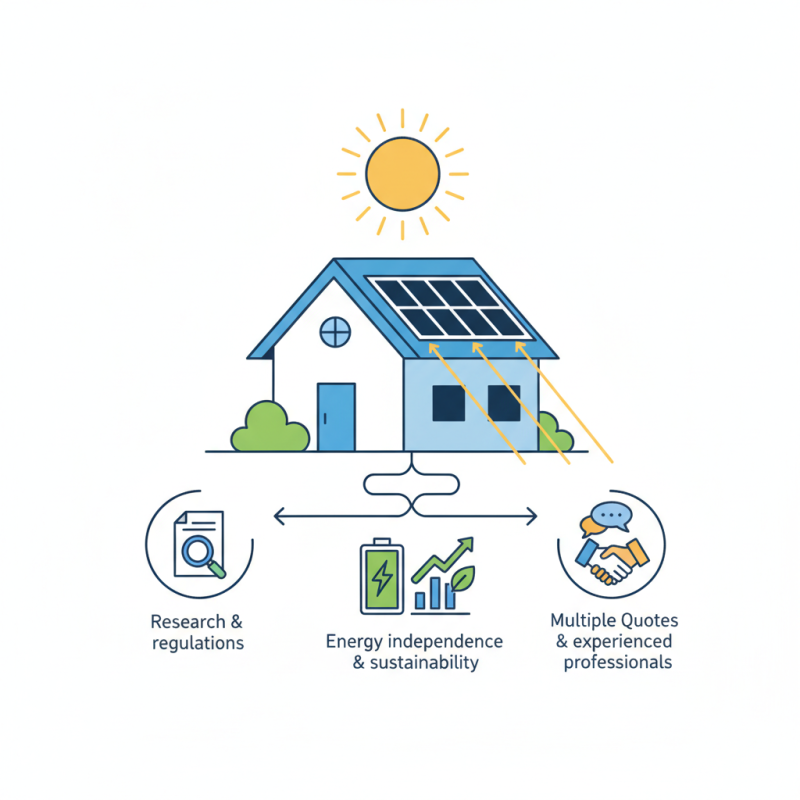
Navigating home solar installation can feel overwhelming. As Alex Johnson, a leading expert in renewable energy, once said, "Every home deserves solar." This statement captures the essence of why homeowners should consider solar power. It’s more than just an energy source; it represents independence from utility companies and a commitment to sustainability.
When planning for home solar installation, careful consideration is key. Each rooftop has unique dimensions, and the sun's rays vary by location. Homeowners often underestimate the importance of proper orientation and shading effects. Mistakes in these areas can lead to less efficiency, costing more in the long run.
It's essential to research local regulations and get multiple quotes. Some installers promise more than they deliver. Choosing the right partners can make a considerable difference. Engaging with experienced professionals can clarify confusing terms and technical aspects. Make informed decisions; your energy needs depend on it.
Understanding the Basics of Home Solar Energy Systems is essential for making informed decisions. Solar energy harnesses sunlight to produce electricity. This process is clean and renewable. A typical home solar energy system includes solar panels, inverters, and batteries. Each component plays a key role. Solar panels capture sunlight. Inverters convert sunlight into usable power. Batteries store excess energy for later use.
When considering installation, start with an energy audit. Assess your consumption needs. This will help determine the right system size. Some homes may require larger systems than others. Remember, not all roofs are suitable for solar panels. The angle and shade can affect efficiency.
Tips: Research local regulations before installing. Understand your energy goals. Gather quotes from multiple service providers. Compare costs and services carefully. Finally, check if you're eligible for tax incentives. These savings can help offset installation costs. Making educated choices will ease the transition to solar energy. It's a step toward sustainable living.
Evaluating your energy needs is a crucial step in solar installation. It begins with understanding your monthly electricity usage. Check your utility bills for patterns. Write down your average kilowatt-hours consumed. This will guide how much solar power you will need.
Next, assess the solar potential of your home. Look at your roof's direction and angle. Is there enough sunlight during the day? Trees or buildings nearby could create shadows. These factors significantly impact solar efficiency. You may find that your roof isn't ideal, and it might provoke some frustration.
Consider your future energy needs too. Are you planning to expand your family or add electric vehicles? These changes can alter your energy consumption. It's essential to plan for growth. A small system may not suffice later on. Reflect on these factors carefully, as they will shape your solar journey.
Choosing the right solar technology and equipment is crucial for a successful home solar installation. Different technologies offer varied efficiencies and costs. For instance, photovoltaic panels convert sunlight directly into electricity. They’re popular but can be expensive. Thin-film solar panels, on the other hand, are lighter and more flexible. They may be less efficient but often come with a lower price tag.
When selecting equipment, consider your energy needs. Calculate your energy consumption to determine the size of the system required. Be mindful of local climate conditions. Some solar technologies perform better in specific environments. For example, crystalline panels might excel in sunny areas, while other types can handle shading better.
It’s also vital to evaluate warranties and lifespans of the equipment. A longer warranty can be a sign of durability. Installation costs can be another area of concern. Many forget to factor in hidden expenses, such as mounting systems. Reflecting on these choices can prevent regrets later. Each decision impacts your overall efficiency and savings. Choosing wisely will shape your solar journey.
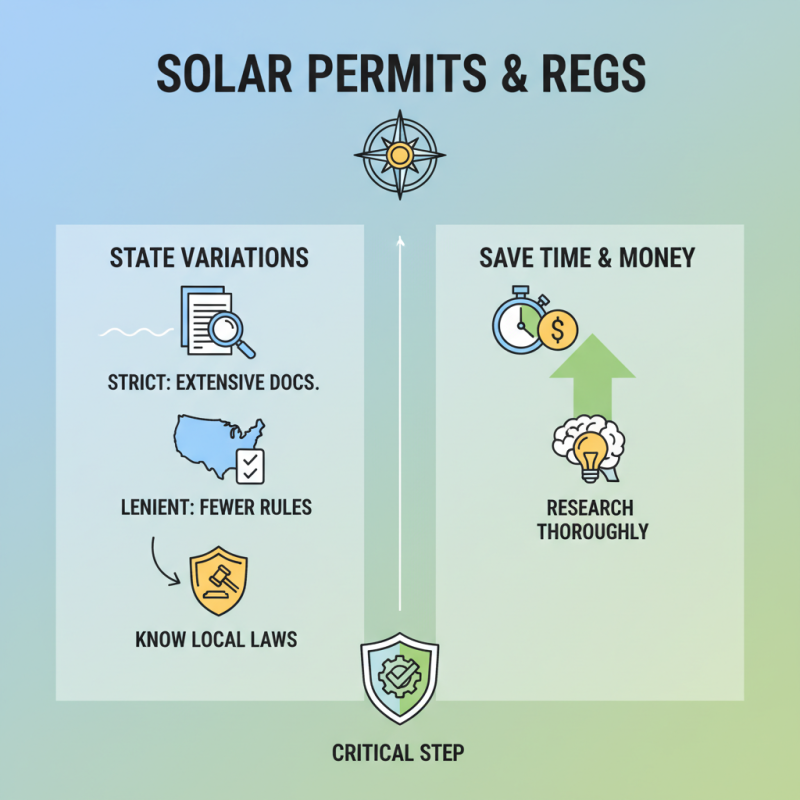
Navigating permits and regulations is a critical part of solar installation. Each state has its rules. Some areas require extensive documentation, while others are more lenient. Understand local laws. Research thoroughly. This step can save you time and money.
When dealing with permits, consider engaging a professional. Tips: Look for experienced consultants. They can guide you through tricky requirements. Be prepared for delays. Regulatory processes can be slow. This may test your patience.
Incentives for solar energy can be beneficial. Federal and state programs exist to offset costs. Keep track of available rebates. These can make a significant difference in your budget. However, not every incentive is straightforward. Evaluate the specifics and ensure you meet eligibility criteria. Take your time with these details; they can impact your overall savings.
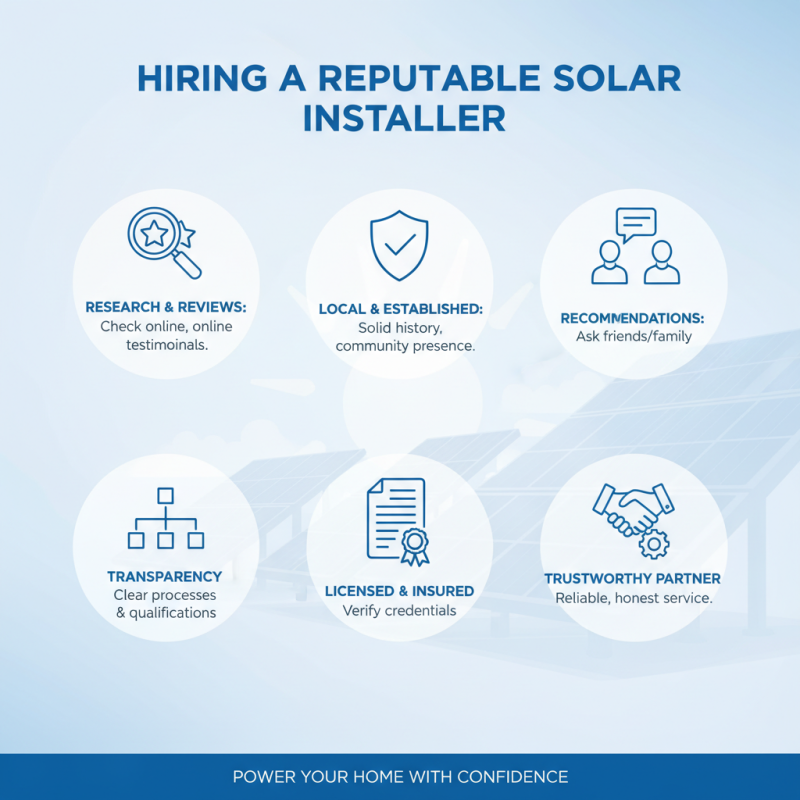
When hiring a reputable solar installer, research is crucial. Start by checking online reviews and testimonials. Look for local companies with a solid history. Ask friends or family for recommendations. A good installer should be transparent about their processes and qualifications. They should have proper licenses and insurance.
Once you have a shortlist, interview potential installers. Inquire about their experience with similar projects. Don't hesitate to ask for references. It's essential to understand their approach and timeline. Some installers may offer financing options or warranties. Take a moment to clarify these details. Remember, only a few contractors will provide a seamless experience.
Finalizing the project includes evaluating contracts closely. Make sure all terms are clear. Be cautious of hidden fees or vague language. Ask for clarification when needed. It's better to address concerns upfront. Regular communication with your installer can prevent misunderstandings. A successful installation relies on a solid partnership and shared goals. Stay engaged throughout the process for the best results.