Why Are PV Panels Essential for Sustainable Energy Solutions?
As the world grapples with climate change, the role of PV panels becomes increasingly crucial. Dr. Emily Carter, a leading expert in solar energy, once stated, "PV panels are not just technology; they are a pathway to a cleaner future." This statement encapsulates the essence of why PV panels are essential for sustainable energy solutions.
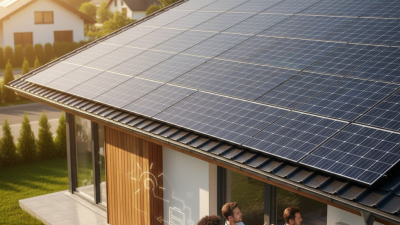
PV panels harness sunlight efficiently, converting it into electricity. This process reduces reliance on fossil fuels, contributing to a significant decrease in greenhouse gas emissions. In urban areas, PV panels can be integrated into rooftops, providing a practical solution to energy needs. However, it is important to acknowledge some challenges. Not all regions receive consistent sunlight, which may limit effectiveness. Also, the initial costs can be a barrier for many.
The impact of PV panels extends beyond energy generation. They foster energy independence, empowering communities. Nonetheless, reflection is needed on recycling old panels. As the industry grows, addressing waste management is crucial for sustainability. Balancing these factors will define the future of PV panels in our quest for clean energy.
The Role of PV Panels in Renewable Energy Generation
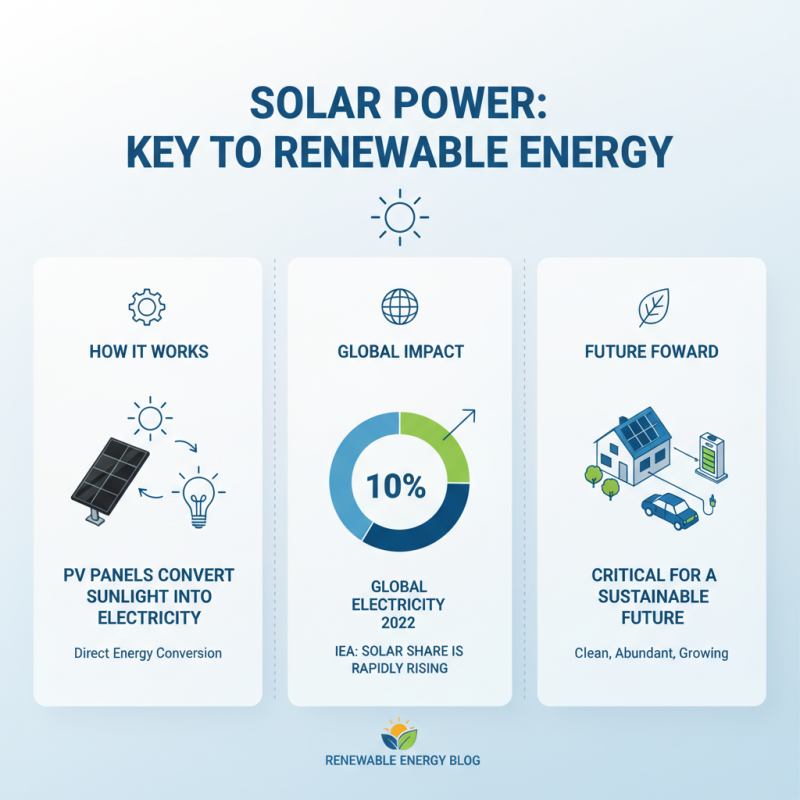
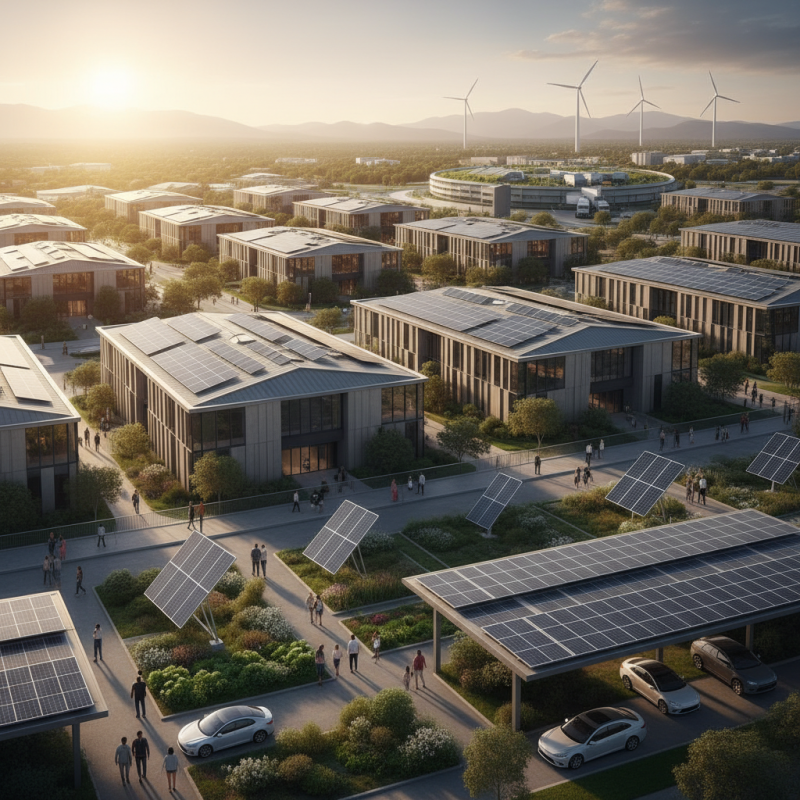
Photovoltaic (PV) panels play a critical role in renewable energy generation. They convert sunlight directly into electricity, making them vital for a sustainable energy future. According to the International Energy Agency (IEA), solar power contributed around 10% of global electricity in 2022. This number is rising rapidly, showcasing the shift towards renewables.
The efficiency of PV panels is steadily improving, yet challenges remain. Average panel efficiency reached about 20% in 2022, but there are still barriers in storage and grid integration. Many regions face issues with energy distribution, resulting in wasted potential. In newly developed areas, PV adoption can be inconsistent, creating gaps in energy access.
Moreover, the lifecycle of PV panels raises questions. While they reduce carbon footprints during operation, their production involves significant energy and material use. The recycling of older panels is still under development. As the demand for solar energy grows, addressing these concerns will be crucial for a truly sustainable approach. Without innovation in recycling processes, we may inadvertently contribute to new waste streams.
Environmental Benefits of Using PV Panels
Photovoltaic (PV) panels play a critical role in promoting sustainable energy solutions. Their environmental benefits are clear and compelling. By harnessing sunlight, PV panels convert it into electricity, significantly reducing greenhouse gas emissions. According to data from the International Energy Agency (IEA), solar energy has the potential to cut global carbon dioxide emissions by over 4 billion tons annually by 2040.
Moreover, PV panels contribute to cleaner air. A report by the U.S. Department of Energy states that using PV systems reduces air pollutants. It estimates that widespread adoption could prevent thousands of premature deaths each year. The transition to solar energy not only supports public health but also fosters biodiversity. Ecosystems can thrive without the encroachment of traditional fossil fuel extraction.
However, the production of PV panels does pose some environmental challenges. Manufacturing processes can involve toxic materials. Recycling processes are still being developed to minimize waste. This creates a need for ongoing innovation. While the growth of solar energy is promising, we must also address these issues. Balancing the benefits and challenges is essential for a truly sustainable energy future.
Environmental Benefits of Using PV Panels
Economic Advantages of Adopting PV Technology
Adopting photovoltaic (PV) technology offers significant economic advantages that are crucial for sustainable energy solutions. According to the International Renewable Energy Agency (IRENA), the global cost of solar PV has fallen by over 80% since 2010. This dramatic price drop makes solar energy more accessible. More households and businesses can invest in this renewable source.
In addition to lower costs, the economic benefits of PV systems extend to job creation. The Solar Foundation’s National Solar Jobs Census reported over 250,000 jobs in the U.S. solar industry as of 2022. These positions span various fields, from manufacturing to installation. Investing in PV technology not only reduces energy bills but also stimulates local economies. Energy independence further adds to this appeal, providing resilience against fluctuating fossil fuel prices, which often reflect geopolitical tensions.
Yet, challenges remain. Initial installation costs can still deter some. Moreover, not every location receives optimal sunlight. This inconsistency can affect efficiency and savings. Policymakers need to focus on improving access and education about PV technology. Addressing these issues is essential for a more equitable adoption. Embracing PV technology could lead to a sustainable energy future that benefits everyone economically.
Challenges and Solutions in PV Panel Implementation
The implementation of photovoltaic (PV) panels faces several challenges. One significant issue is the variability of solar energy. Weather conditions can greatly affect energy output. For instance, cloudy days reduce solar generation. Long periods of low sunlight make energy planning difficult.
Another challenge is storage. Solar energy needs to be stored for use at night. Current battery technology is improving, but it's not perfect. Many solutions are expensive or limited in capacity. This means homes and businesses can struggle to rely solely on solar power.
Finally, installation can be complex. Not every location is ideal for PV panels. Rooftops may need structural reinforcement or more space. Regulations can vary, posing hurdles. Each of these factors must be addressed for a sustainable future with PV panels. Re-evaluating these challenges will be crucial for expanding solar energy usage.
Why Are PV Panels Essential for Sustainable Energy Solutions? - Challenges and Solutions in PV Panel Implementation
| Dimension |
Description |
Current Status |
Challenges |
Solutions |
| Cost of Installation |
Initial investment for PV panel setup. |
Moderately high, decreasing with technology advancements. |
High upfront costs can deter adoption. |
Incentives and financing options to lower costs. |
| Energy Efficiency |
The effectiveness of PV panels in converting sunlight to energy. |
20% to 22% efficiency in modern panels. |
Inefficiencies due to weather and technology limits. |
Research and development for improved technologies. |
| Recycling |
Handling end-of-life PV panels. |
Limited recycling options currently available. |
Environmental impact from waste materials. |
Developing better recycling technologies and policies. |
| Grid Integration |
Connecting PV systems to existing power grids. |
Integration challenges are significant. |
Inconsistent energy supply can disrupt grids. |
Smart grid technology to manage diverse energy sources. |
Future Trends in Solar Energy and PV Panel Development
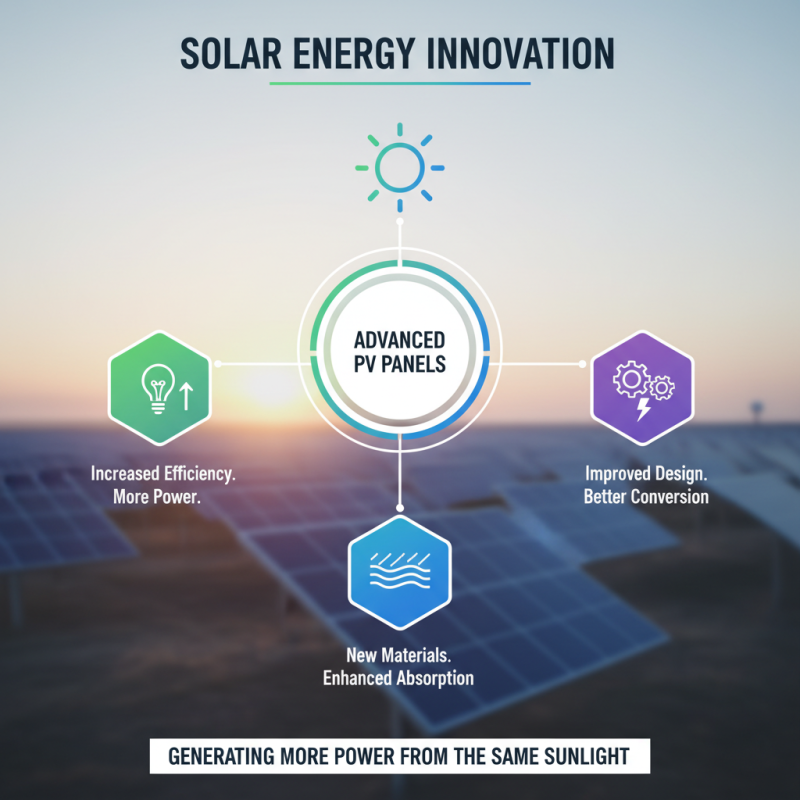
The solar energy landscape is rapidly evolving. Innovations in photovoltaic (PV) panel technology are key to this transformation. Efficiency improvements are at the forefront, with researchers exploring materials that enhance light absorption. New designs allow for better energy conversion rates. In theory, this could lead to panels generating more power from the same sunlight.
As we look toward the future, the integration of smart technology is also crucial. PV panels paired with AI can optimize energy capture based on weather patterns. Imagine panels that adjust their angle automatically on cloudy days. This adaptability could mitigate energy production drops. However, these advancements must be balanced with installation costs. Many consumers still view solar technology as a luxury.
Sustainability is a primary concern. Developing long-lasting, recyclable PV materials remains a challenge. As production rates rise, so do questions about waste management. Addressing these issues is essential for broader adoption. Without careful planning, progress may overshadow the need for environmental responsibility. The future of solar energy hinges not just on technology but also on thoughtful implementation.