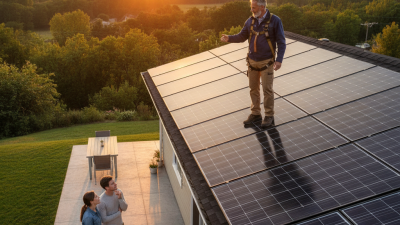
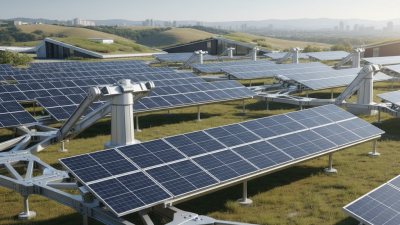
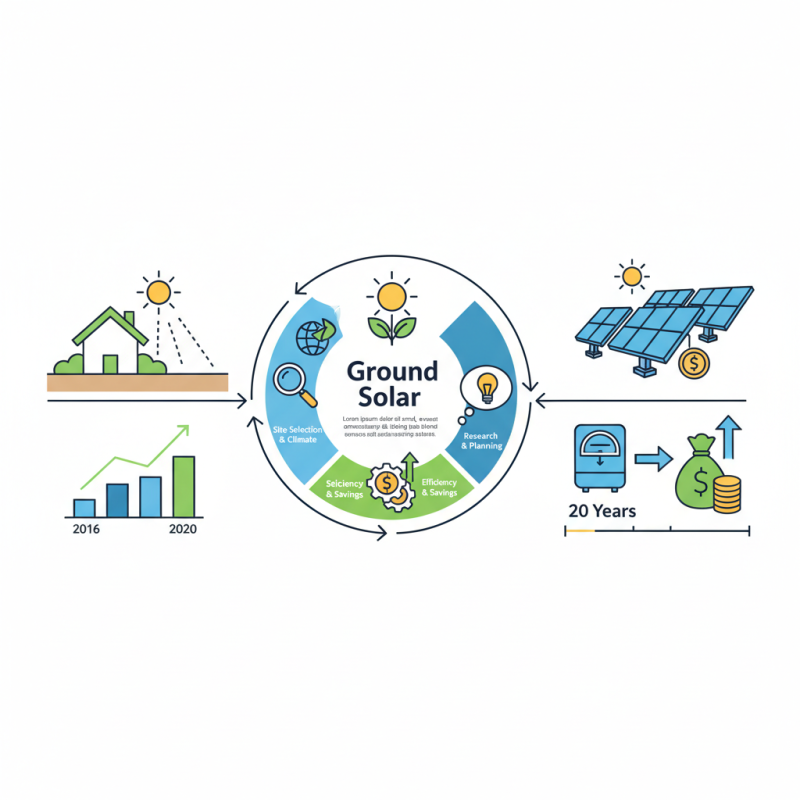
Ground solar panels for home systems are becoming increasingly popular. According to the U.S. Department of Energy, residential solar capacity has grown by over 167% from 2016 to 2020. This explosive growth highlights the need for effective installation practices to maximize both efficiency and savings.
Installing ground solar panels can reduce utility bills significantly. The Solar Energy Industries Association reports that homeowners can save between $10,000 and $30,000 over 20 years with a correctly installed system. Despite these benefits, many homeowners face challenges during the installation process. Poor site selection and inadequate planning can diminish efficiency.
Consider the local climate and sunlight exposure. Not every property is ideal for ground solar panels for home use. It's essential to choose the right location and angle. Small mistakes can lead to larger issues later on. Therefore, homeowners should prepare for a learning curve. Investing time in research and planning is crucial for ensuring successful installation. The journey towards solar energy is full of considerations, but the potential rewards make it worthwhile.
Ground solar panels are an excellent choice for homeowners looking to reduce energy costs. They harness sunlight effectively and convert it to electricity. This can lead to significant savings on utility bills over time. With rising energy prices, adopting solar energy makes more sense. Many homeowners have reported lower monthly expenses after installation.
When considering ground solar panels, think about placement. Choose a site with maximum sunlight exposure. Avoid shaded areas, as they can reduce efficiency. Remember, local regulations may affect panel placement. Research is key.
**Tip:** Assess your energy needs before starting. Calculate your average usage to determine the right system size.
Additionally, ground solar panels can increase your property value. Homes with solar installations are often viewed as more desirable. However, not all locations are ideal. Check with local experts to understand your area's solar potential.
**Tip:** Look into incentives or tax credits available in your region. These can offset installation costs and enhance overall savings.
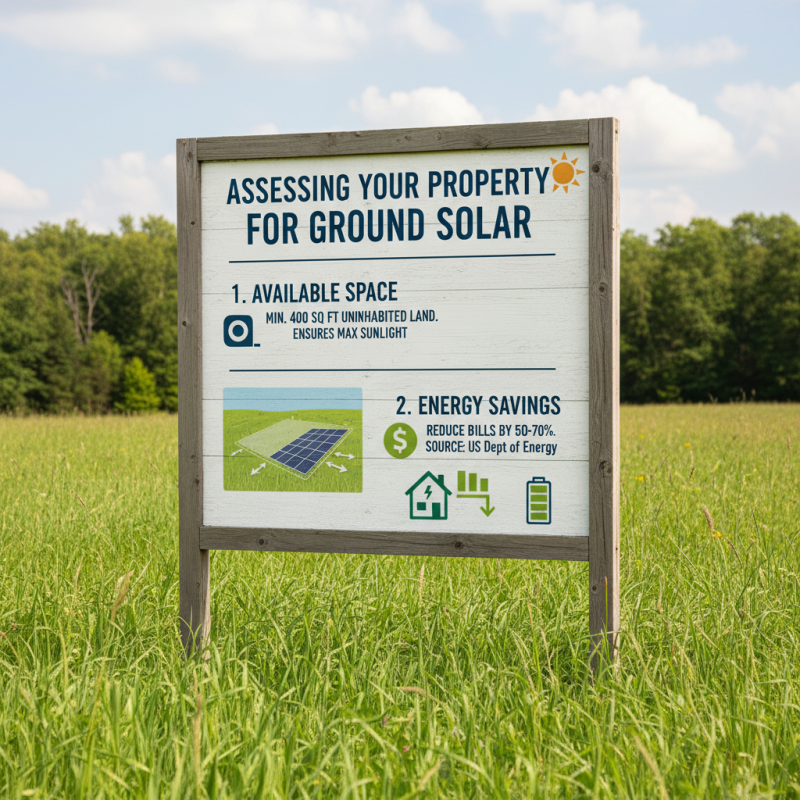
Assessing your property for ground solar panel installation involves several key considerations. First, evaluate the available space. Ideally, you need at least 400 square feet of unobstructed land. This ensures maximum sunlight exposure and efficient energy generation. According to the U.S. Department of Energy, well-situated solar panels can reduce energy bills by 50-70%.
Next, consider the orientation and tilt of your land. South-facing slopes capture more sunlight throughout the day. Flat terrains require a proper mounting system to optimize angles. It's vital to clear any potential obstructions, like trees or buildings, that can cast shadows on your panels.
When assessing local regulations, check zoning laws. Some regions may have restrictions on solar installations. You might also need permits, which can delay your project. It's important to communicate with local authorities early in the process.
Tips:
- Use satellite imagery to assess sun exposure.
- Visit neighboring installations for insights.
- Document any concerns to address later.
When selecting solar panels for your home, consider efficiency and cost. According to a report by the National Renewable Energy Laboratory, high-efficiency panels can generate up to 20% more energy than standard panels. This difference can lead to significant savings on your energy bills over time.
Choose the right solar inverter as well. It’s essential for converting solar energy to usable electricity. A report from the U.S. Department of Energy shows that the inverter's quality impacts overall system performance. Some homeowners struggle with inverter lifespan, leading to unexpected costs.
Installation costs can vary widely. A study from the Solar Energy Industries Association noted that average installation costs range from $15,000 to $25,000, depending on system size. However, cheaper options may compromise efficiency. It's crucial to weigh upfront costs against long-term savings. Research local incentives and rebates that can reduce your initial investment, yet don't overlook panel quality.
| Dimension | Details |
|---|---|
| Solar Panel Type | Monocrystalline, Polycrystalline, Thin-Film |
| Average Efficiency | 15% - 22% |
| Cost per Watt | $2.50 - $3.50 |
| Installation Angle | 30° to 45° |
| Inverter Type | String, Micro, Power Optimizer |
| Average Lifespan | 25-30 years |
| Warranty Period | 10-25 years |
| Estimated Savings | Up to $1,500 per year |
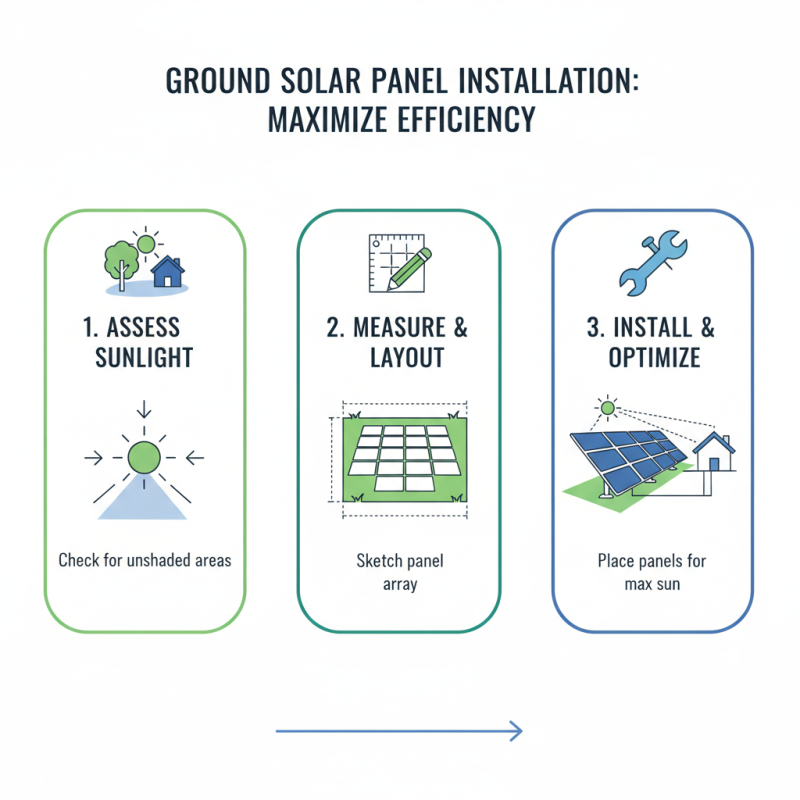
When considering ground solar panels, the installation process is crucial for maximizing efficiency. Start by assessing your yard for sunlight exposure. Make sure it's not heavily shaded by trees or buildings. Take measurements and sketch a layout for your solar panel array. This will help visualize their placement.
Next, gather necessary tools and supplies. You’ll need mounting brackets, panel racks, and grounding equipment. Digging holes for the mounts is essential. Ensure the depth is consistent to support the panels properly. Mistakes here can lead to stability issues.
**Tip:** Always check local zoning laws. Finding the right permits is key before proceeding. It can save you from future complications.
After installing the mounts, carefully secure the panels. Wiring requires attention; ensure connections are tight. A loose connection could affect performance and lead to failures. Test the system after installing to verify everything works smoothly.
**Tip:** Consider reviewing your setup periodically. Over time, dirt and debris can accumulate. Regular cleaning can enhance efficiency. Remember, it's not just about installation; ongoing maintenance matters too.
Maintaining and monitoring your ground solar panel system is crucial for optimal performance. Regular check-ups can prevent small issues from turning into costly repairs. Inspect the panels at least twice a year. Look for dirt or debris that can block sunlight. Ensure there’s no shade from trees or buildings.
Tips for maintenance: Clean your panels with water and a soft brush. Avoid harsh chemicals. Monitor performance through your inverter. If you notice a drop in energy production, it may indicate a problem. Ensure connections are tight and free of corrosion.
Furthermore, keep an eye on the inverter's display. It provides vital data about energy production. Understanding this can help you troubleshoot issues. Record readings monthly to identify trending performance changes. Sometimes, the weather affects performance. Be prepared for variations in output throughout different seasons. It’s essential to stay informed and proactive.