What is a Hydraulic Paver Factory in China and How to Choose?
In recent years, the demand for hydraulic pavers has surged, making "Hydraulic Paver Factory China" an essential topic for construction professionals. Renowned industry expert Dr. Li Wei emphasizes, "Choosing the right factory is vital for quality assurance." His perspective highlights the critical role these factories play in sourcing reliable pavers.
The landscape of hydraulic paving technology continues to evolve. Factors such as innovation, machine quality, and supplier reputation are crucial for decision-making. Many factories claim to be leaders, but only a select few truly deliver on their promises.
Investing time to research different factories can yield significant benefits. Companies must consider not just price, but also product longevity and performance. The challenge lies in distinguishing between trustworthy suppliers and those that fall short of expectations. Empirical choices often reflect in the final project outcomes, making this selection process worth careful consideration.
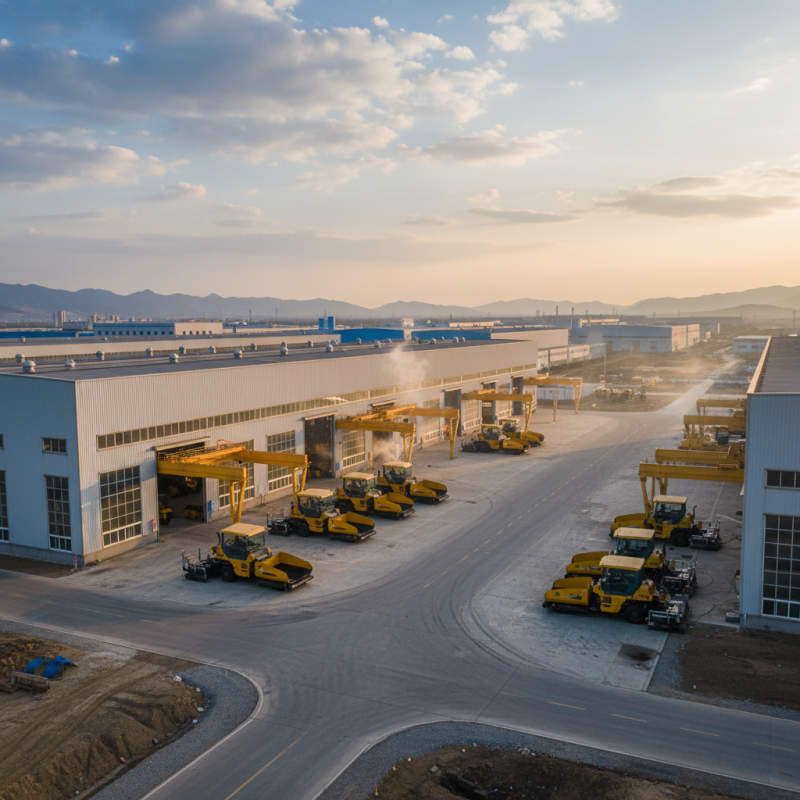
Overview of Hydraulic Paver Manufacturing in China
China's hydraulic paver manufacturing sector is rapidly evolving. It plays a crucial role in the construction industry. Companies produce high-quality paving stones using advanced hydraulic technology. This equipment ensures durability and precision in every piece. The process involves mixing raw materials like cement, aggregates, and additives. The right balance is key for achieving strength in the final product.
Choosing the right manufacturer can be challenging. Buyers must evaluate various factors. Quality control processes are vital. Inspecting factory certifications and product testing procedures can reveal a lot. Additionally, consider the technical expertise of the staff. Knowledgeable personnel can guide you in selecting suitable designs. Communication is critical as well. Poor communication can lead to misunderstandings about specifications.
Pricing is another important aspect. Ensure that the cost aligns with the quality provided. It's a delicate balance; cheaper is not always better. It may lead to subpar materials. Buyers should remember that not every factory meets global standards. Therefore, conducting thorough research is necessary. This systematic approach fosters better long-term partnerships in the hydraulic paver industry.
Key Features of Hydraulic Paver Factories
Hydraulic paver factories in China play a crucial role in the construction materials sector. These facilities specialize in producing paving stones, concrete blocks, and interlocking pavers. The industry has seen significant growth, with market reports indicating a compound annual growth rate (CAGR) of over 9% from 2021 to 2026. Understanding the key features of these factories is essential for making informed choices.
Quality control systems are a hallmark of reputable hydraulic paver factories. Many employ advanced technologies like automated production lines and stringent testing protocols. A report from the China Concrete and Cement Products Association highlights that around 70% of top factories implement comprehensive quality assurance measures. However, some factories fall short in this area, leading to inconsistencies in product quality.
Another crucial aspect is the raw material sourcing. Factories that prioritize sustainable and high-quality materials often yield better results. According to recent studies, sourcing local raw materials can reduce production costs by nearly 15%. Yet, not all factories adhere to this standard, which can affect long-term sustainability and operational efficiency. The choice of a factory must consider these factors carefully to ensure reliable product output.
Criteria for Selecting a Reliable Hydraulic Paver Factory
When selecting a reliable hydraulic paver factory in China, consider multiple factors. Begin with production capacity. A factory that can produce large volumes may ensure consistent supply. Look for modern equipment and technology. This often reflects a factory's ability to produce high-quality products.
Next, assess the factory's experience in the industry. A factory with years of operation is likely to understand market demands and client needs better. Verify their certifications and quality control processes. This gives confidence in their commitment to quality.
Finally, analyze customer feedback and case studies. This can provide insight into the factory's reputation. Don’t overlook communication efficiency. How a factory interacts with potential clients can be revealing. It's crucial to have open dialogues to address concerns. Being attentive to these details can lead to a successful partnership.
Assessment of Technology and Equipment in Factories
In China, hydraulic paver factories utilize advanced technology and equipment to produce high-quality paving materials. Assessing the technology used in these factories is crucial for making informed decisions. Hydraulic presses, for instance, are at the core of paver production. They apply high pressure to concrete mixtures, ensuring durability and consistency. The efficiency of these machines can significantly impact output and cost.
Equally important is the choice of auxiliary equipment, such as mixers and conveyors. These machines should be reliable and compatible with hydraulic systems. However, some factories may overlook the need for regular maintenance. This can lead to production delays and quality issues. Durability is essential, but the actual performance of equipment in operation matters more.
The technology landscape for hydraulic paver production is continuously evolving. New innovations emerge regularly, making it challenging to keep up. Some factories may cling to outdated methods. Being aware of the latest advancements can provide a competitive edge. While many factories possess modern equipment, not all prioritize training workers on optimal use. A factory’s success hinges on the relationship between technology and skilled labor.
Hydraulic Paver Factory Technology Assessment
Inspection and Quality Control Practices in Production
In the hydraulic paver industry, effective inspection and quality control are crucial. According to recent industry reports, approximately 30% of production defects occur during the manufacturing process. This highlights the importance of stringent quality checks.
Factories in China often implement multiple inspection stages. Visual inspections at various points help identify defects early. Companies employ skilled workers for this task. They usually assess dimensions, finishes, and overall aesthetics. A report indicated that 95% of manufacturers use standardized inspection protocols. These ensure products meet international standards.
Quality control also involves testing materials before production. Common tests include tensile strength and durability checks. It is essential to source high-quality materials. Flawed materials can lead to significant failures later. Reflecting on practices, some factories still struggle with inconsistent quality. Continuous improvement is necessary to enhance reliability and performance.
