Skip to content

High Quality Welded Hydraulic Cylinder for Global Buyers?

When it comes to hydraulic systems, reliability is crucial. Buyers worldwide seek a "High Quality Welded Hydraulic Cylinder" that meets rigorous standards. In various industries, these cylinders perform essential functions. They must handle pressure and provide consistent performance. Thus, understanding quality becomes vital.

Many manufacturers claim to offer high-quality products. However, distinguishing between genuine quality and mere marketing can be challenging. Buyers need to consider factors like material strength, precision welding, and durability. Not all cylinders are created equal. Sometimes, companies overlook vital details in their production processes.

Investing in a "High Quality Welded Hydraulic Cylinder" can lead to increased efficiency. Yet, it is essential to reflect on the sourcing methods. Quality assurance processes are critical. Ensuring proper certification and testing can prevent costly mistakes. A thoughtful approach can enhance overall satisfaction and effectiveness in hydraulic applications.
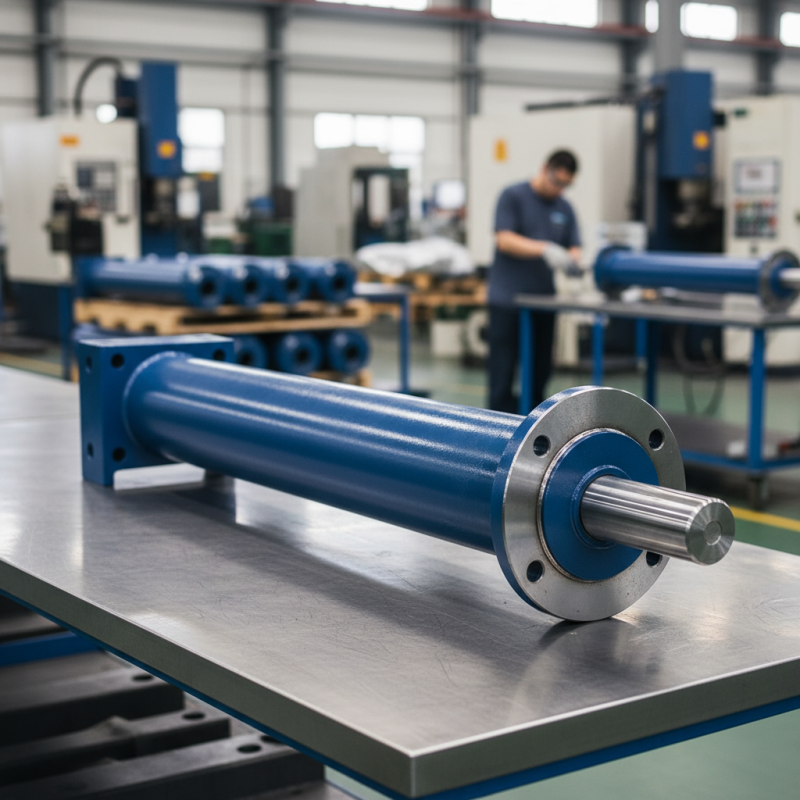
High Quality Welded Hydraulic Cylinder for Global Buyers?

High Quality Welded Hydraulic Cylinder: An Introduction

High-quality welded hydraulic cylinders are essential for various industries. These cylinders deliver power and efficiency in hydraulic systems. They are commonly used in construction, agriculture, and manufacturing. A well-crafted cylinder ensures operational reliability and longevity.

Craftsmanship is crucial in producing these hydraulic cylinders. The welding process must be precise. It combines durability with high performance. Skilled professionals use advanced techniques to achieve the best results. Each weld must withstand intense pressure and stress. Imperfections can lead to failures, which are costly. Regular inspections are vital to ensure quality and operational life.

Understanding the materials used is also important. Different applications require specific materials for optimal performance. The choice impacts strength, weight, and corrosion resistance. It is easy to overlook material quality, but it directly affects operation. Users should advocate for transparency regarding sourcing and fabrication processes. This creates a trust-based relationship between suppliers and buyers.

Key Features of Welded Hydraulic Cylinders for Buyers

Welded hydraulic cylinders have become essential in various industries. Their robust design offers durability and efficiency. Key features make them attractive to global buyers.

High-quality welded hydraulic cylinders are built to withstand extreme conditions. They are often made from high-strength steel, providing resistance to wear and corrosion. Additionally, these cylinders often have precision-engineered seals, which minimize leaks and improve performance. Buyers should also look for cylinders with a welded body, as this enhances structural integrity compared to conventional designs.

Another essential feature is the variety of mounting options. Different applications require specific mounting types. A versatile hydraulic cylinder can adapt to various setups, making it valuable for manufacturers. It is also vital to consider serviceability. Maintenance accessibility can significantly impact operational downtime. Thus, even high-quality options may present challenges if they are not designed for easy maintenance. Therefore, buyers should carefully evaluate their needs before making a purchase.

Applications of Welded Hydraulic Cylinders Across Industries

Welded hydraulic cylinders are crucial in various industries. Their robust design ensures reliability and efficiency. These cylinders are commonly used in construction machinery, like excavators and cranes. They provide the necessary force to lift and move heavy loads. The ability to withstand high pressure makes them ideal for demanding applications.

In agriculture, welded hydraulic cylinders help with equipment like tractors and harvesters. They enhance productivity by enabling smooth operations. The automotive industry also benefits from these cylinders, particularly in assembly lines. Precision and strength are essential for manufacturing vehicles. Their use in forklifts and material handling adds to their versatility.

Despite their advantages, there are challenges. Maintenance can be complex and costly at times. Ensuring compatibility with various hydraulic systems requires expertise. Manufacturers face the task of balancing durability with weight. Continued research and development are essential to improve performance and address these issues.

Choosing the Right Supplier for High-Quality Hydraulic Cylinders

Choosing the right supplier for high-quality hydraulic cylinders is crucial for any business. It affects productivity and operational efficiency. Buyers should look for suppliers with a proven track record. Experience in the industry matters. A reliable supplier understands the specific needs of their clients. They can provide tailored solutions that enhance performance.

Tips: Look for suppliers with certifications. This is a sign of their commitment to quality. A good manufacturer adheres to industry standards. Ask for references from other clients. Their feedback can offer insights into the supplier's reliability.

When evaluating potential suppliers, consider their production capabilities. Advanced machinery and skilled technicians lead to better-quality products. Transparency in the manufacturing process is also essential. Suppliers who share detailed information are typically more trustworthy. It fosters a sense of reliability.

Tip: Don't ignore communication. A responsive supplier demonstrates dedication to customer service. If they are slow to respond, reflect on their priorities. Clear communication can prevent misunderstandings later on. Always meet potential suppliers personally, if possible. It builds trust and a mutual understanding of requirements.

Hydraulic Cylinder Sales Volume by Region (2022)

Maintenance Tips for Long-lasting Hydraulic Cylinders

Maintaining hydraulic cylinders is crucial for ensuring their longevity. Regular inspection can prevent small issues from becoming major repairs. Look for signs of wear, such as leaks or corrosion. These can lead to system failure if not addressed promptly. Keep track of the cylinder's operating environment. Dust and contaminants may affect performance.

Lubrication plays a key role in maintenance. Proper lubrication reduces friction, which prevents excessive heat buildup. Periodic checks for hydraulic fluid levels are necessary. Low fluid levels can cause damage to the cylinder. Using the right oil type is equally important. It ensures optimal functioning.

Understanding the load specifications of your hydraulic cylinders is fundamental. Overloading can cause premature wear and tear. It may take time to notice these issues, leading to reflection on your operational practices. Documenting maintenance schedules can aid in identifying patterns. This practice can help you catch problems early and save costs.