Installing an Ev Charger Wall Plug is a practical choice for electric vehicle owners. With the rise in electric cars, charging options at home are becoming essential. The process of installation can seem daunting, but it holds many benefits.
Having an EV Charger Wall Plug means convenience. Imagine arriving home and simply plugging in your vehicle. No need to rush to public stations. However, it's essential to ensure proper installation. Mistakes can lead to safety risks or inefficiencies. Homeowners should consider hiring professionals for this important task.
The benefits extend beyond convenience. An EV Charger Wall Plug can increase home value and save money on fuel. But, the installation process may not be perfect. It requires thoughtful planning and investment. This commitment can enhance your overall electric vehicle experience.
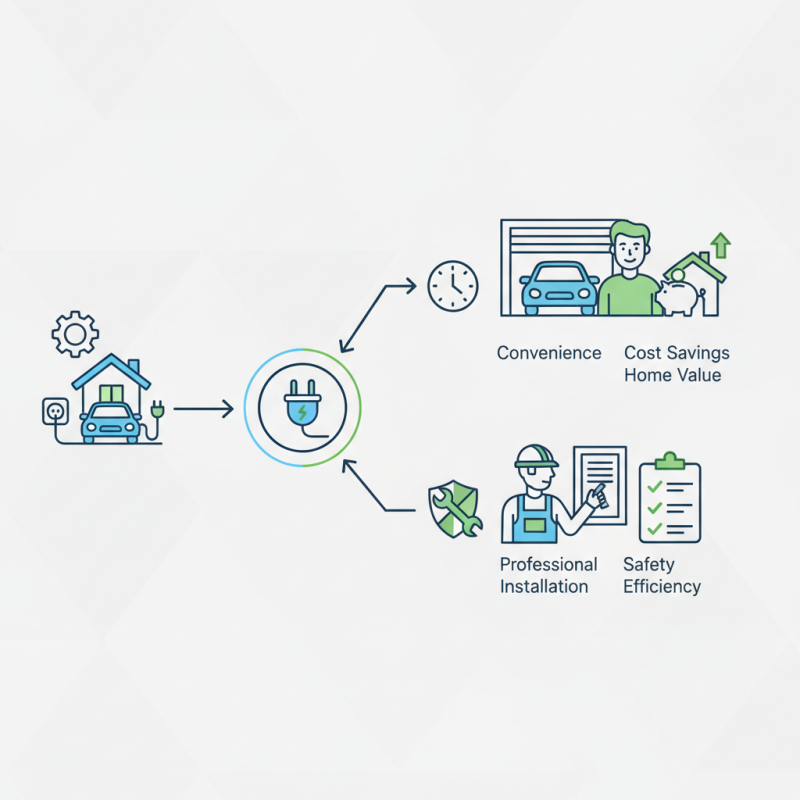
Installing an EV charger wall plug can seem daunting. It involves understanding your home's electrical system. The location of your charger is crucial. Most people prefer it in the garage or close to the parking area. It should be easily accessible for daily use.
When considering the installation, gauge your space. Is there enough room for the charger? Check for any obstructions. You might need a licensed electrician for the installation. They ensure optimal safety and compliance with local codes. Having the right amperage is vital for your EV's performance. A common mistake is underestimating the required power.
Benefits of having a wall plug are clear. It saves time and effort. No more trips to public charging stations. However, the initial cost can be a concern. Reflecting on your habits helps determine if it’s worth it. Regular charging routines promote better battery life. Consider your energy needs before moving forward.
When considering the installation of a home EV charger wall plug, numerous benefits come into play. First, convenience is a major factor. Imagine charging your vehicle overnight, waking up to a full battery. This routine saves time spent at public charging stations. You can charge at your own pace and avoid long queues. An easy plug-in at home fits seamlessly into your life.
Cost savings also can’t be overlooked. Charging at home is often cheaper than using public chargers. Many electric utilities offer special rates for EV owners. This reduces overall energy costs and makes it more practical to drive electric. However, installation may require an upfront investment. It’s important to consider installation costs and the potential need for electrical upgrades. This can add complexity to the process.
Another advantage is increased property value. Homes with installed EV chargers can attract more buyers in the future. As electric vehicles gain popularity, this feature could enhance your home’s appeal. Nonetheless, it’s essential to stay informed about local permitting and installation regulations. A well-researched approach can shorten any installation missteps.
When considering EV charger wall plug installation, it's essential to understand the associated costs. On average, homeowners spend between $1,200 and $3,000 for a full installation. This expense often includes the charger itself, permitting fees, and labor costs. According to industry reports, 55% of consumers worry about the initial investment but overlook long-term savings on fuel.
Tip: Evaluate local incentives. Some regions offer tax credits or rebates for EV charger installations. This can reduce your upfront costs significantly.
Installation complexity can also affect overall expenses. If your electrical panel requires upgrades, this could raise costs by $500 to $1,500. A third of installations face unexpected complications, causing delays and additional charges. Therefore, it's wise to assess your home’s electrical readiness beforehand.
Tip: Consult with a licensed electrician before making decisions. An expert can identify potential issues early and offer pricing estimates.
In summary, understanding installation costs helps you budget effectively. Reflect on these factors before deciding, as they impact both immediate and long-term financial outcomes.
| Aspect | Details |
|---|---|
| Installation Type | Home Garage, Outdoor Parking, Workplace |
| Average Installation Cost | $500 - $2000 |
| Permit Fees | $50 - $200 |
| Electrical Upgrades | $300 - $1500 |
| Wall Plug Types | Level 1, Level 2, DC Fast Charging |
| Benefits | Convenience, Cost Savings, Increased Home Value |
| Typical Installation Time | 2 - 6 hours |
| Tax Incentives | Up to $750 for residential EV chargers |
When choosing the right EV charger, there are several types and specifications to consider. Level 1 chargers are basic and can be plugged into standard outlets. However, they usually offer a slower charging rate. A standard home outlet delivers roughly 4-5 miles of range per hour. This might work for drivers with short commutes.
On the other hand, Level 2 chargers provide faster charging, adding around 25 miles of range per hour. They require a dedicated circuit and are ideal for home installations. According to the U.S. Department of Energy, a Level 2 charger can fully charge a depleted EV in 4-8 hours. This could be crucial for those with busy schedules.
Additionally, it’s essential to consider charging speed and connector types. Not all chargers fit all vehicles. Compatibility issues can arise, creating frustration. Charging networks report that many drivers face these challenges frequently. As the EV market expands, understanding these nuances becomes essential. The right choice can enhance the convenience of owning an electric vehicle and provide peace of mind.
Choosing the optimal location for your EV charger can significantly enhance its efficiency. A good spot is a place that is easily accessible. It should be near your main parking area, making it convenient to plug in as you arrive home. Avoid locations that require long extensions or tricky maneuvers. The right setup minimizes hassle and saves time.
When installing your charger, consider the electrical system of your home. An electrician can help assess the needed voltage. Improper installations can lead to inefficiencies or even safety issues. Ensure there’s proper ventilation to prevent overheating. A well-placed charger allows for faster charging times, which is essential for daily use.
Tips: Check local regulations before installation. Some areas have guidelines about placement. Always think about future needs, too. Will you expand your EV fleet? The placement might need to be adjusted as your charging habits evolve. Ensure cables are neatly organized to prevent tripping hazards. This small detail contributes to a safer environment.