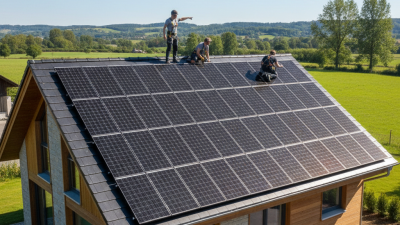
Choosing the right solar energy panels is crucial for any homeowner. Industry expert Dr. Emily Carter emphasizes, "The choice of solar panels can make or break your energy savings." This highlights the importance of informed decisions in solar technology.
When selecting solar energy panels, consider efficiency and longevity. Not all panels are created equal. Some might look appealing but fail in performance. It can be frustrating to navigate through myriad options. Many panels also come with hidden costs, such as installation and maintenance.
Research is key to making a sound investment. Talk to professionals in the field. Use credible reviews to guide your choices. Details matter. Not every high-efficiency panel is suitable for every home. Reflect on your energy needs and budget. Taking time to evaluate can lead to a better long-term outcome.
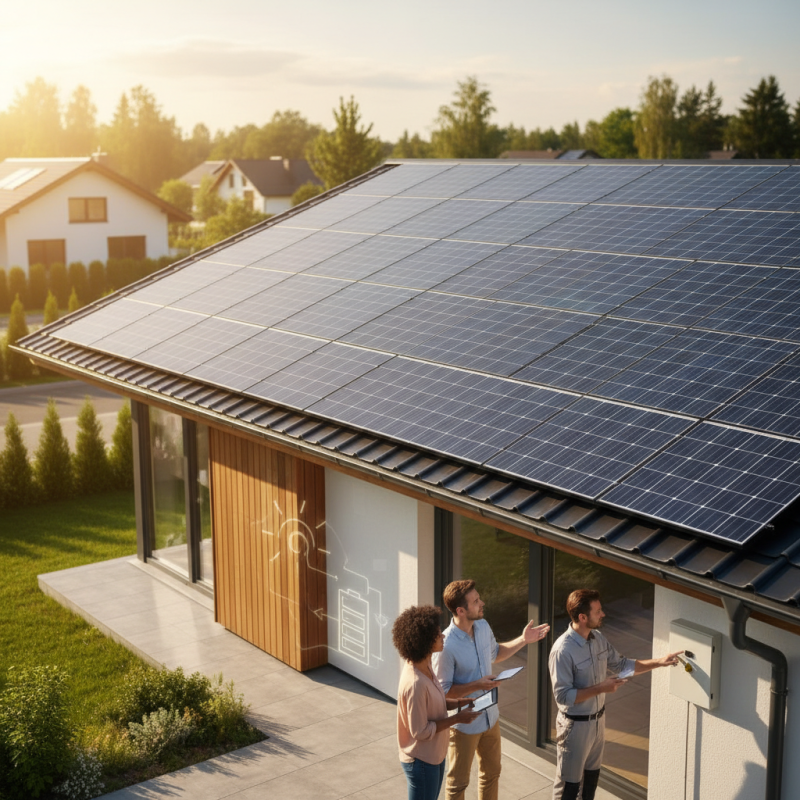
When considering solar energy panels, understanding the different types is crucial. Monocrystalline panels are known for their high efficiency. These panels are made from a single crystal structure, allowing for better energy conversion. They tend to perform well in low-light conditions. If you have limited roof space, these panels are a smart choice.
On the other hand, polycrystalline panels are typically less expensive. They are made from multiple crystal structures, which makes them slightly less efficient. However, they still provide a good energy output for many homes. A downside is that they can occupy more space due to their lower efficiency. It’s essential to weigh the benefits of initial cost against long-term energy savings.
Choosing the right type isn’t always straightforward. Homeowners may find themselves torn between cost and efficiency. Some may rush into a decision without adequate research. It’s important to remember that each type has its strengths and weaknesses. Reflecting on your specific needs can lead to a more informed choice.
| Tip | Monocrystalline Panels | Polycrystalline Panels |
|---|---|---|
| Efficiency | Higher efficiency (15-22%) | Lower efficiency (13-16%) |
| Cost | Generally more expensive | More affordable option |
| Space Requirement | Requires less space for the same output | Requires more space for the same output |
| Lifespan | Typically longer lifespan (25+ years) | Shorter lifespan (20-25 years) |
| Temperature Coefficient | Better performance in heat | Less efficient in heat |
| Durability | Generally more durable | Moderate durability |
| Aesthetic Appeal | Sleek, uniform appearance | Bluish hue, less uniform |
| Production | More complex manufacturing process | Simpler manufacturing process |
| Market Availability | Widely available | Also widely available |
| Recycling Potential | Easier to recycle | More challenging to recycle |
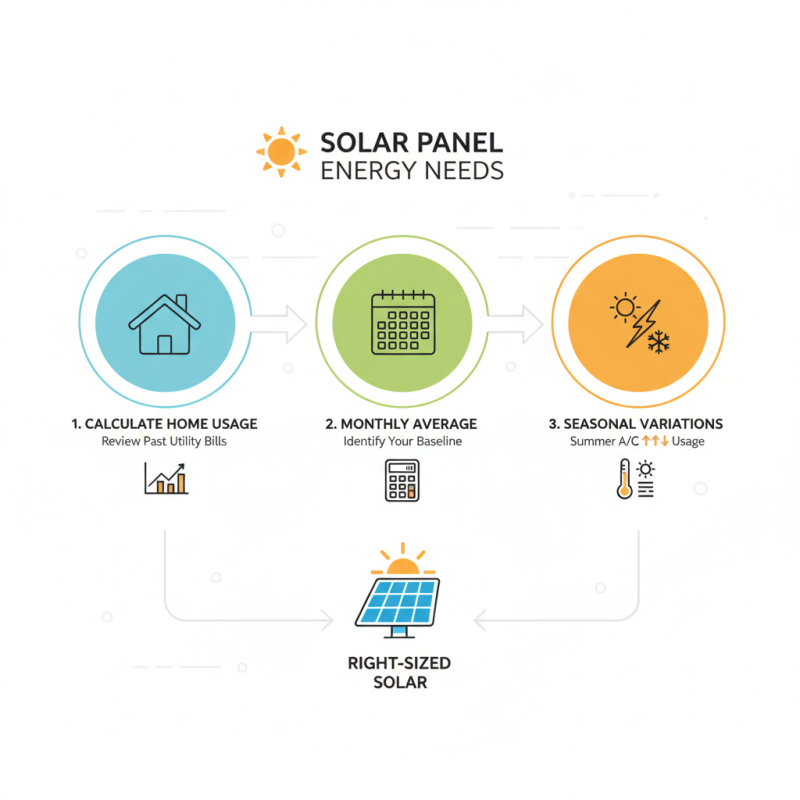
When evaluating energy needs for solar panels, start by calculating your home’s energy consumption. Look at your past utility bills. This will give you a better idea of your average monthly usage. Pay attention to seasonal variations, as they can influence energy needs dramatically. For example, air conditioning in summer can double your consumption.
Next, consider the size and orientation of your roof. Not all roofs are ideal for solar panels. If your roof is shaded by trees or buildings, it may not generate enough energy. Take the time to assess its potential. Don’t forget about future expansions. If you plan to add more appliances or electric vehicles, factor that in. It’s crucial to be realistic about your current and future energy needs.
Also, think about your energy goals. Are you aiming for full energy independence, or just looking to reduce bills? Each choice impacts your solar panel selection. Reflect on your lifestyle. Are you energy-efficient, or do you require more power? Understanding these factors will help you choose the right solar solution.
When selecting solar energy panels, efficiency ratings are crucial. These ratings tell you how much sunlight is converted into usable energy. A higher efficiency means more energy production in a smaller space. For homeowners with limited roof space, this can be a game changer. Understanding metrics like the conversion rate and temperature coefficient aids in making informed decisions.
Not all panels perform equally under different conditions. For example, some may lose efficiency in high temperatures. This could be problematic in warmer climates. Look for panels with a low temperature coefficient to ensure better performance. Assessing warranty terms is also vital. Manufacturers usually offer a performance guarantee. However, reading the fine print can reveal limitations.
It’s easy to get overwhelmed by numbers and ratings. Data may not always provide clear insights. Some panels perform well in ideal conditions but struggle in reality. Paying attention to real-world performance can be challenging. Seek out customer reviews and case studies for practical experiences. This can provide a more complete picture of how panels will behave over time.
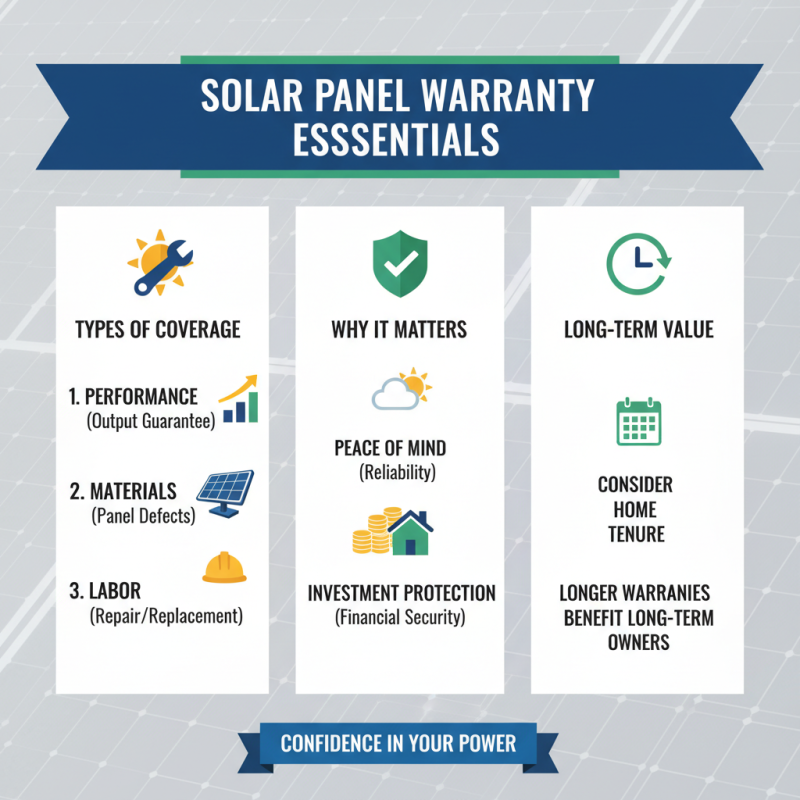
When considering solar energy panels for your home, warranty options are crucial. A strong warranty can indicate the manufacturer's confidence in their product. Most warranties cover performance, materials, and labor. If a panel fails or underperforms, a good warranty provides peace of mind and protection on your investment. Think about how long you plan to stay in your home. A longer warranty may be more beneficial for long-term owners.
Details matter when evaluating warranties. Some warranties cover only certain components, while others protect the entire system. Look for terms like “linear power output” in performance warranties. Also, check the years of coverage. A ten to twenty-year warranty is standard, but some still offer even longer periods. Consider the stipulations, as fine print can often hide potential exclusions.
It's easy to overlook warranty limitations. Review the conditions under which your warranty may be voided. Installation mistakes or lack of maintenance could cost you. It’s also valuable to know how the company handles claims. Feedback from other users can shed light on their reliability. An incomplete understanding of warranty clauses might lead to unexpected costs later. So, take the time to ask questions and get clarity before making the final decision.
Analyzing installation costs of solar energy panels requires diligent consideration. Homeowners often overlook hidden expenses. Equipment costs, labor charges, and permits can add up quickly. Understanding these elements helps in budgeting effectively.
Consider the installation site. Roof condition and angle affect costs. If a roof needs repairs, that’s an added expense. Some may not realize that installation in shaded areas could be less efficient. Investigating local incentives is crucial. Many areas offer tax credits or rebates, reducing overall costs.
Next, think about long-term savings. The initial investment may seem high, but think of the return on investment. Lower utility bills are attractive over time. However, the maintenance costs need consideration too. Regular checks are necessary for efficiency. Balancing upfront costs with long-term benefits can be tricky. Ensure you research and reflect on your specific situation before deciding.