How to Choose Waterjet Cutting Machinery for Your Projects?
When selecting waterjet cutting machinery for projects, the decision is critical and complex. The global waterjet cutting industry has been growing, with estimates reflecting a market value of approximately $1.5 billion in 2022. A key factor is the capability of these machines to cut through various materials, offering precision unmatched by traditional methods. Industry expert Dr. James McAllister emphasizes the importance of choice: "Selecting the right waterjet machine can elevate your project’s efficiency."
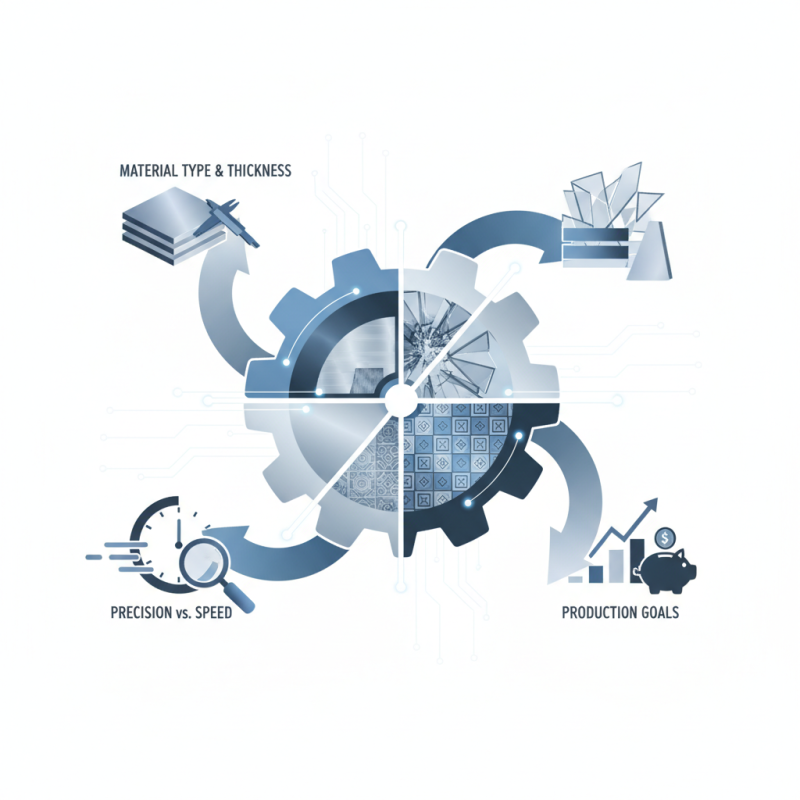
Multiple factors influence this choice. Material types and thickness are primary considerations. Waterjet technology accommodates a range of materials, including metals, glass, and ceramics. However, not all machines handle these materials equally well. Understanding the project requirements is essential. Various reports suggest that high-quality machines can lead to production savings of up to 30%.
Recognizing these nuances can be challenging. A machine might excel in cutting speed but falter in precision. Balancing these traits is necessary for optimal outcomes. Potential buyers must reflect on their specific needs and production goals. Careful consideration of these factors will ultimately lead to a successful investment in waterjet cutting machinery.
Understanding the Basics of Waterjet Cutting Technology
Waterjet cutting technology has revolutionized the way industries approach material cutting. This process uses high-pressure water streams, combined with abrasives, to cut through various materials. The precision of waterjet cutting allows for intricate designs and complex shapes that are often difficult to achieve with traditional methods.
Understanding how this technology works is crucial for a successful project. The waterjet cutting process involves pressurizing water to extreme levels, sometimes exceeding 60,000 psi. This intense force enables the stream to slice through materials like metal, glass, and stone. However, not all projects require such intensity. Evaluating material thickness and hardness is key.
Choosing the right machinery also means considering efficiency and capabilities. The cost of waterjet machines can vary greatly, which adds another layer of complexity. It's essential to analyze desired output versus budget constraints. Sometimes, opting for a used machine may lead to unexpected challenges. Maintenance and support can become significant factors as well. Balancing these elements requires careful thought.
Factors to Consider When Choosing Waterjet Cutting Machinery
Choosing the right waterjet cutting machinery requires careful thought. One key factor is the material type. Different materials, such as metal, glass, or ceramics, may require varying pressures and nozzle sizes. Thick materials often need a more powerful machine. It is essential to understand your project's needs to make an informed choice.
Another important aspect is the machine’s precision and speed. Waterjet cutting can achieve intricate designs, but not all machines perform equally. Look for one that offers high precision for detailed work. Speed is also crucial, especially for larger projects. Balancing these two factors can be tricky. Sometimes, machines that are fast lack the precision needed for fine cuts.
Consider the overall cost as well. It's easy to get swayed by features but also reflect on long-term expenses. Maintenance costs can add up quickly. Think about the availability of parts and service support. A machine may seem perfect, but lacking support can become a nightmare later. Scrutinizing these factors will help you choose wisely for your projects.
Evaluating Different Types of Waterjet Cutting Systems
When evaluating different types of waterjet cutting systems, consider the application. Some systems are designed for thick materials, while others excel with thin sheets. High-pressure machines can cut harder materials. They are often more expensive and require more maintenance. Low-pressure options may be suitable for softer materials but can limit precision.
Next, think about the cutting head design. Some systems have a simple design, which is easier to maintain. Yet, more complex designs can offer greater versatility. A reliable cutting head is crucial for accuracy. Look for features that prevent clogging and promote smooth operation. Remember, even a well-built machine can face issues.
Lastly, think about the control systems. User-friendly software can enhance your workflow. Some options may seem advanced but can overwhelm new users. Test the interface before committing. Machines that appear perfect might have hidden complications. Always reflect on your specific project needs and potential challenges ahead.
How to Choose Waterjet Cutting Machinery for Your Projects? - Evaluating Different Types of Waterjet Cutting Systems
| Type of Waterjet Cutting System | Max Cutting Thickness (inches) | Precision (inches) | Typical Applications | Price Range ($) |
| Abrasive Waterjet | 8 | ±0.005 | Metal, Stone, Glass Cutting | 30,000 - 100,000 |
| Pure Waterjet | 2 | ±0.003 | Foam, Paper, Textiles Cutting | 10,000 - 50,000 |
| Waterjet with Robotics | 6 | ±0.004 | Complex Shapes, Automotive Parts | 70,000 - 150,000 |
| Portable Waterjet | 3 | ±0.01 | On-Site Cutting, Maintenance | 5,000 - 30,000 |
Comparing Cost and Efficiency of Waterjet Machines
When selecting waterjet cutting machinery, cost and efficiency are critical factors. Many categories exist, including those for metal, glass, and stone. Each material demands specific capabilities from the cutting machine. A budget-friendly option may seem attractive at first. However, it could compromise cutting precision and speed.
Efficiency often correlates with the initial investment. High-quality waterjet cutters may cost more, yet they enable faster production and better results. Projects requiring intricate designs and high tolerances can particularly benefit from these machines. Evaluating operating costs can also reveal hidden expenses. Maintenance and energy consumption are just as crucial.
Comparing these machines can be overwhelming. Data on efficiency rates often varies between sources. Expect some manufacturers to overstate their claims. Testing a machine before a significant purchase can provide valuable insights. Ultimately, being informed allows you to make better decisions. Balancing cost and performance can be challenging, yet it's essential for project success.
Maintenance and Support Requirements for Waterjet Machinery
When selecting waterjet cutting machinery, maintenance and support are crucial. Regular maintenance keeps machines running smoothly. Neglecting this can lead to costly repairs. Many operators overlook the importance of following the manufacturer's guidelines. Basic checks like replacing nozzles and inspecting pumps can prevent major issues.
Support requirements are also essential. Ensure access to quality technical support. A knowledgeable team can help troubleshoot problems quickly. It’s challenging when parts are outdated or hard to find. Training for the operators is vital. Well-trained staff can maximize the machinery's efficiency and longevity.
Consider the costs associated with maintenance. Budgeting for spare parts and regular servicing is important. Some may hesitate to invest more upfront, thinking it will save money in the long run. However, poor maintenance can raise overall costs. Reflect on the maintenance schedules necessary for your specific projects. Ask yourself: Are you prepared?
