How to Choose the Best Solar Panel Options for Homes?
Choosing the best solar panel options for homes is a critical decision for homeowners today. With rising energy costs and climate concerns, this choice has serious implications. According to the Solar Energy Industries Association (SEIA), U.S. residential solar installations grew by over 20% in 2022. This trend highlights the increasing interest in solar technology.
Industry expert Dr. Emily Carter emphasizes, "Investing in proper solar panel options for homes can lead to significant savings and environmental benefits." Her insights reflect a growing recognition of solar energy's potential. Homeowners are not just seeking savings; they want sustainable solutions that align with eco-friendly living.
Despite the many available options, some homeowners hesitate. Misconceptions about costs and installation processes still prevail. It's important to carefully evaluate product warranties, efficiency ratings, and aesthetic compatibility. With numerous brands and technologies, selecting the right solar panel can be overwhelming. Each decision impacts long-term benefits and returns on investment. Awareness and informed choices are key to navigating the available solar panel options for homes.
Understanding Your Energy Needs and Solar Potential
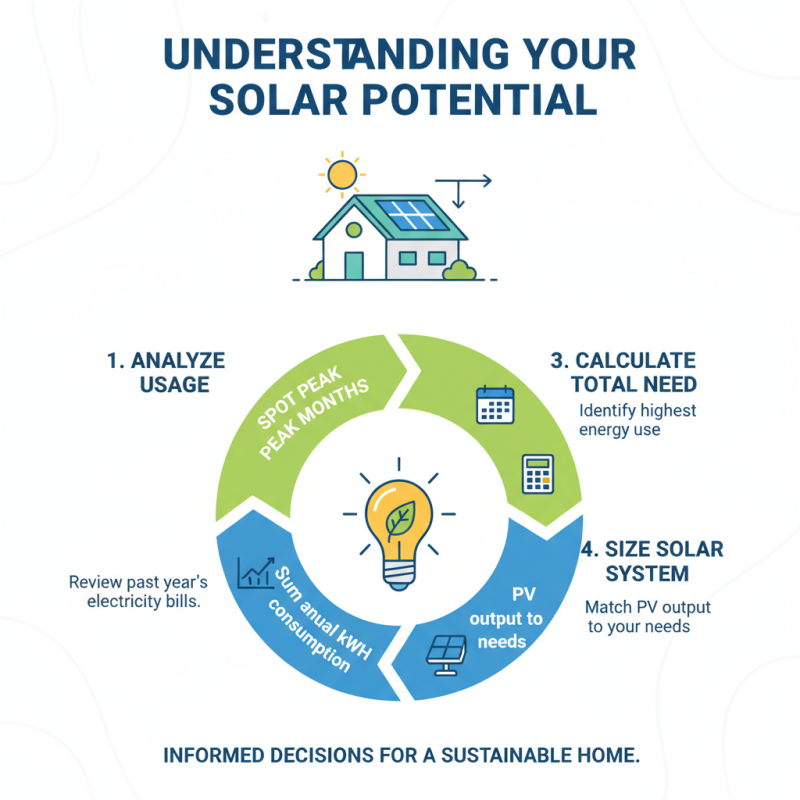
When considering solar panels for your home, understanding your energy needs is essential. Start by analyzing your electricity usage over the last year. Look at your monthly bills. Identify your peak usage months. This data helps you gauge how much energy you need to generate through solar power.
Next, assess your home’s solar potential. Check if your roof receives ample sunlight throughout the year. Trees or buildings nearby may cast shadows. This shading can significantly affect your solar efficiency. A professional solar assessment can pinpoint optimal installation areas. It’s vital to consider factors like roof angle and orientation.
After gathering this information, you can better decide on the solar panel options available. Each home is unique, and therefore, requires a tailored approach. Confirming your energy needs and solar potential allows you to avoid over or under-sizing your solar system. This analysis often leads to more efficient energy production and cost savings in the long run.
Types of Solar Panels: Monocrystalline, Polycrystalline, and Thin Film
When considering solar panels, it's essential to understand the main types available: monocrystalline, polycrystalline, and thin film. Each type has distinct characteristics and efficiencies.
Monocrystalline panels, known for high efficiency, can convert about 15-20% of sunlight into energy. This makes them ideal for homeowners with limited roof space. However, these panels can be more expensive upfront.
Polycrystalline panels, on the other hand, typically have a lower efficiency of around 13-16%. They are made from multiple silicon crystals, which makes them less costly but larger in size. Homeowners with ample roof space might prefer these, especially since they perform better in cooler temperatures.
Thin film panels are the least common, with efficiencies ranging from 10-12%. They are lightweight and flexible, making them easy to install on various surfaces. However, they occupy more space due to their lower efficiency.
When selecting solar panels, consider placement and local climate conditions. Tips include checking for shade on the roof and assessing your energy needs. It’s also wise to understand the lifespan of each panel type, typically around 25-30 years. Evaluate warranties too. Most manufacturers provide a 25-year performance warranty. Remember, investment in solar energy should align with your long-term goals and financial situation. This reflective approach helps ensure a better decision for both your home and the environment.
Evaluating Solar Panel Efficiency and Performance Ratings
When choosing solar panels for homes, efficiency and performance ratings are crucial factors to consider. Solar panel efficiency measures how much sunlight a panel can convert into usable electricity. Higher efficiency means better performance, especially for smaller roofs. Research indicates that efficiency ratings typically range from 15% to 22%. Selecting a panel with a higher rating can lead to more energy production over its lifespan.
Performance ratings also play a significant role. These ratings reflect how well solar panels perform under real-world conditions. Factors include temperature coefficients and shading tolerance. For instance, some panels may produce less energy on cloudy days than others. It’s essential to understand these variations in performance. Homeowners should evaluate weather conditions and shading in their locations before deciding.
Cost and longevity are additional considerations. Higher efficiency panels usually come with a higher price tag. However, they can offer better returns on investment over time. It's important to reflect on both short-term expenses and long-term benefits. Researching different models and reading reviews can help in making an informed choice. Remember, what works for one home may not be ideal for another. Each situation requires careful examination.
Comparing Costs and Incentives for Solar Panel Installation
When considering solar panel installation, understanding costs and incentives is vital. Many homeowners focus solely on the initial purchase price. However, incentives can significantly affect your overall expenses. Federal and state programs often provide tax credits or rebates, reducing your investment. Research local incentives; they vary widely. You might find programs that cover a substantial portion of installation costs.
Tips for navigating costs: always obtain multiple quotes. Each installer may have different pricing and financing options. Additionally, consider timing. Some incentives have deadlines. Installing before these deadlines can save you money. Always calculate the long-term savings. While the upfront cost can be high, many find their utility bills decrease significantly after installation.
Some homeowners hesitate due to the complexity of solar technology. It’s common to feel overwhelmed by terms like “grid-tied” or “off-grid.” Don’t shy away from asking questions. Seek advice from certified professionals. They can explain how solar power can work for your unique situation. Recognizing potential pitfalls helps you make informed decisions.
Always weigh the long-term benefits against immediate costs. You might find that waiting or choosing a different type of panel could better suit your needs.
Choosing a Reliable Installer and Warranty Considerations
Choosing a reliable solar panel installer is crucial for homeowners. A skilled installer can make a significant difference in energy efficiency and system longevity. Look for professionals with solid experience in solar installations. Check their past projects and customer reviews. This provides insight into their reliability and quality of work.
Consider warranty options carefully. A robust warranty can protect your investment. It should cover both the solar panels and the installation. Many manufacturers offer warranties ranging from 10 to 25 years. Ensure that the installer supports these warranties. If issues arise, a dependable installer will handle them promptly.
Be cautious of installers promising unrealistic results. Their claims may not always reflect reality. Seek out clear and transparent communication. Request a detailed breakdown of costs and performance expectations. This can highlight any hidden fees or potential issues that need more discussion. Trust and reliability are key in the solar panel industry.
Solar Panel Installation Costs by Region