How to Choose the Best Solar MPPT Controller for Your System?
The adoption of solar energy has surged in recent years. According to the International Energy Agency, solar power capacity grew by 22% in 2022 alone. This growth highlights the importance of effective energy management systems, particularly Solar MPPT controllers. These devices optimize the energy harvested from solar panels, ensuring that systems operate at peak efficiency.
Choosing the right Solar MPPT controller is crucial for maximizing energy output. With various brands and models available, making a decision can be daunting. Many users overlook specifications like conversion efficiency and maximum current input. As reported by Solar Power World, selecting the wrong controller can reduce system performance by up to 30%.
Investing in the correct Solar MPPT controller is vital for both residential and commercial installation. The wrong choice can lead to inefficiencies and significant financial losses over time. Thoughtful consideration of power requirements, compatibility, and features is essential. In the fast-evolving solar market, staying informed will allow users to make better choices and contribute to a sustainable future.
Understanding the Functionality of MPPT Controllers in Solar Systems
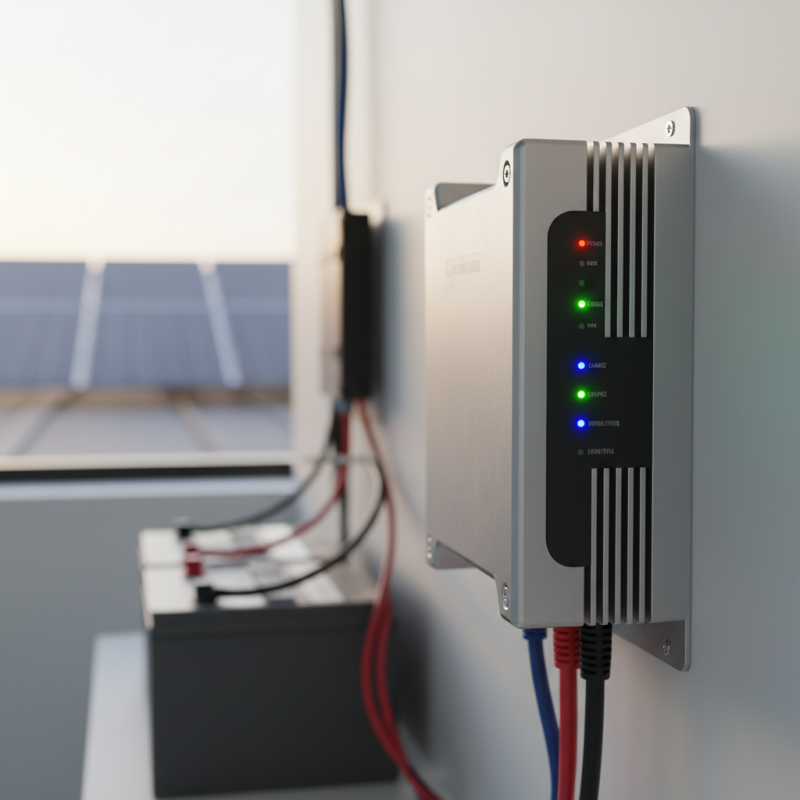
MPPT, or Maximum Power Point Tracking, plays a vital role in solar energy systems. It optimizes the power output from solar panels by adjusting the electrical load. This ensures that the panels operate at their highest efficiency. With varying sunlight conditions, the MPPT controller adapts, capturing more energy. This can lead to significant increases in overall energy production.
Choosing the right MPPT controller is not always straightforward. Different systems have varying energy needs, and specifications can be overwhelming. Look for efficiency ratings and voltage compatibility. These factors influence performance and reliability. Consider the installation space and ease of use as well. Some controllers may be more complex or bulky, which can complicate installation.
Installation does present challenges. Wiring issues can arise, affecting performance if not addressed properly. Regular maintenance is essential for optimal function. Without it, even the best systems can underperform. Therefore, understanding how MPPT controllers work is crucial. This knowledge empowers you to make informed decisions for your solar system. Take time to research and reflect on your specific energy requirements.
Key Specifications to Consider When Choosing an MPPT Controller
Choosing the right solar MPPT controller can significantly affect the efficiency of your solar system. Several key specifications are critical in making this choice. The maximum input voltage is one of them. Ensure the controller can handle the voltage output from your solar panels. Oversizing it can lead to inefficiencies.
Another important aspect is the current rating. This should match, or exceed, the total current produced by your solar panels. Pay attention to the rated efficiency of the MPPT controller. A higher efficiency means more power conversion from your panels. Look for controllers with at least 95% efficiency for optimal performance.
Don’t overlook features like temperature compensation and battery type compatibility. These can impact system reliability and battery lifespan. Also, think about the ease of installation. A complex setup can lead to mistakes during installation. Choose a controller that offers straightforward connecting options.
Consider these specifications deeply; the wrong choice could hinder your solar goals. Reflect on your long-term needs; a better device today may serve you well in the years to come.
Comparing Efficiency Ratings: MPPT vs. PWM Controllers
When comparing efficiency ratings, MPPT (Maximum Power Point Tracking) controllers often outperform PWM (Pulse Width Modulation) controllers. In general, MPPT controllers operate with an efficiency of up to 95%. This means more harvested energy from solar panels translates to better performance. On the other hand, PWM controllers typically range between 70% to 85% efficiency. The gap in performance can be significant for systems relying on maximum output.
Efficiency can vary by conditions. For instance, when sunlight is inconsistent, MPPT controllers dynamically optimize the power output. A report from the National Renewable Energy Laboratory revealed that MPPT controllers can generate up to 30% more energy on overcast days. This feature is critical for systems located in areas with variable weather. However, PWM technology remains appealing due to its lower costs and simpler installation.
Yet, not all installations require the enhanced capabilities of MPPT. Small-scale systems or setups in direct sunlight may not fully utilize MPPT advantages. Choosing the right controller requires thoughtful consideration of specific needs. What works best for one situation might not suit another. Thus, understanding the unique dynamics of your solar system is essential. This complexity emphasizes the importance of research and careful evaluation.
Evaluating System Compatibility and Sizing for Optimal Performance
When selecting a solar MPPT controller, compatibility with your system is crucial. Assessing your solar panels' voltage and current ratings is the first step. You must ensure that the controller can handle the output. Sometimes, people overlook this factor and face performance issues later.
Sizing the controller is equally important. A small controller may underperform, leading to energy loss. Too large a controller could be inefficient and costly. Finding the right balance can be challenging. You need to consider future expansions too. What if you want to add more panels? This thought often gets lost along the way.
Additionally, check the battery type in your system. Not all controllers work with every battery type. A mismatched controller can cause damage or reduced efficiency. Always refer to specifications. Sometimes a simple detail can make a big difference. Ensuring all components work in harmony is key. It may take time to find the optimal setup, but it’s worth the effort.
The Impact of Temperature and Environmental Factors on MPPT Efficiency
When it comes to solar MPPT controllers, temperature plays a significant role. High temperatures can diminish the efficiency of these devices. For instance, an MPPT controller may struggle to optimize power output during hot summer days. This is vital to consider, especially if the system is placed in a sunny environment. The electronic components could overheat, leading to performance issues.
Moreover, environmental factors also influence MPPT efficiency. Dust and debris can accumulate on solar panels, blocking sunlight. This leads to lower energy production. Even a thin layer of grime can significantly impact performance. Regular maintenance is often overlooked. Neglecting this can result in lower returns on investment.
Additionally, shading from nearby trees or buildings can create further complications, causing inconsistent energy harvests. Humidity and weather patterns should not be ignored either. High humidity can accelerate corrosion, affecting lifespan. Yet, extreme conditions can introduce challenges that require constant reevaluation.
What works today may not be effective tomorrow. A well-thought-out selection process considers all these factors for long-term reliability. It's crucial to balance temperature management and environmental upkeep in your decision-making process.
