Skip to content

How to Choose the Right Solar Array for Home Installation?

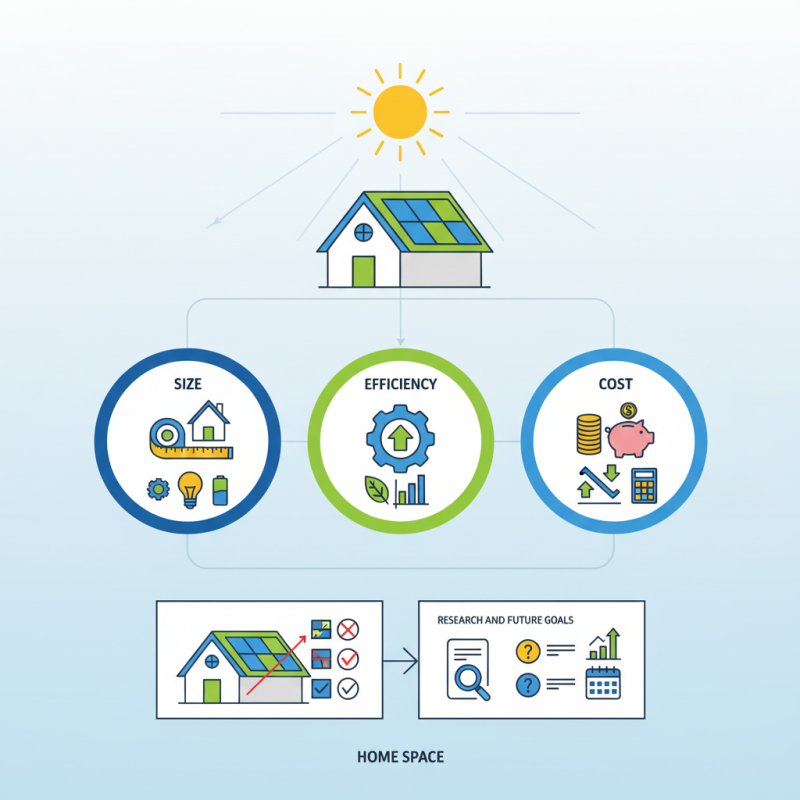
Choosing the right solar array for home installation can be daunting. Many options exist, each with unique features and benefits. Homeowners must consider size, efficiency, and cost.

The solar array for home needs to match energy demands. A system too small might not meet your needs. Conversely, a large system could lead to unnecessary expenses. Home space is also a factor. Not every roof suits solar panels well.

Investing in solar power requires research. Some providers may not offer the best technology. Read reviews and ask questions. Reflect on your energy consumption and future goals. This decision impacts your home's efficiency and sustainability for years to come.
How to Choose the Right Solar Array for Home Installation?

Understanding Your Energy Needs for Solar Array Selection

When considering a solar array for your home, understanding your energy needs is crucial. Start by analyzing your electricity consumption over the past year. Review your utility bills carefully. Note the monthly usage in kilowatt-hours (kWh). This information will help you determine the size of the solar array that will best suit your needs.

Next, consider factors such as the number of occupants in your home, major appliances, and seasonal changes in usage. Families with children or individuals who work from home may have higher demands. Set specific goals for energy independence or cost savings. Reflect on how lifestyle choices affect your energy consumption. Be realistic about your expectations.

Lastly, think about future changes. Are you planning to buy an electric vehicle or add more appliances? These changes can significantly impact your energy needs. It is essential to choose a solar solution that accommodates potential growth. Keep in mind that an inadequate array may lead to frustration later. Balancing immediate needs with future goals is a challenging task but worth the consideration.
Energy Needs for Solar Array Selection

Evaluating Different Types of Solar Panels for Home Use

Choosing the right solar array for your home involves evaluating various types of solar panels. There are three main types: monocrystalline, polycrystalline, and thin-film. Each type has its pros and cons. Monocrystalline panels are known for higher efficiency. They can convert 15-22% of sunlight into electricity. This efficiency can lead to more power production, especially on smaller roofs.

Polycrystalline panels, on the other hand, boast a more affordable price point. However, their efficiency ranges from 13-17%. This slight drop can make a significant difference in long-term energy savings. Thin-film panels are lightweight and flexible. They are easier to install but generally less efficient, with efficiencies under 12%. Proper evaluation of roof space is crucial before making a decision.

Cost is another essential factor. A recent report indicated that homeowners often overlook the long-term value. The initial savings might be tempting, but efficiency and lifespan impact overall costs. Between 2021 and 2022, the average price for solar installations rose by 10%. This rising trend might influence buyer decisions. Homeowners should reflect on their energy needs and the local climate, as these elements will affect performance. Balancing budget, efficiency, and installation space is a complex task.

Determining the Right Size of Solar Array for Your Home

Determining the right size of a solar array for your home requires careful analysis. Start by assessing your energy consumption. Look at past utility bills to understand your monthly usage. Calculate the average kilowatt-hours (kWh) consumed. This number is essential in estimating the size of your solar array.

Next, consider your roof space. The orientation and angle of your roof affect solar panel efficiency. South-facing roofs usually receive more sunlight. If your roof isn’t ideal, you might need more panels to compensate for the lower yield. Evaluate shading from nearby trees or buildings; this can diminish energy production.

Another factor is local sunlight availability. Different regions receive different amounts of sunshine. Use solar insolation data to gauge your area’s solar potential. If the data shows less sun, you might need a larger array. Be prepared to adjust your expectations. Sometimes, the perfect solar setup takes a lot of trial and error to figure out what works best for you. Use these reflections to guide your decisions, ensuring you make an informed choice.

Considering Inverter Options and Their Importance in Solar Systems

How to Choose the Right Solar Array for Home Installation?

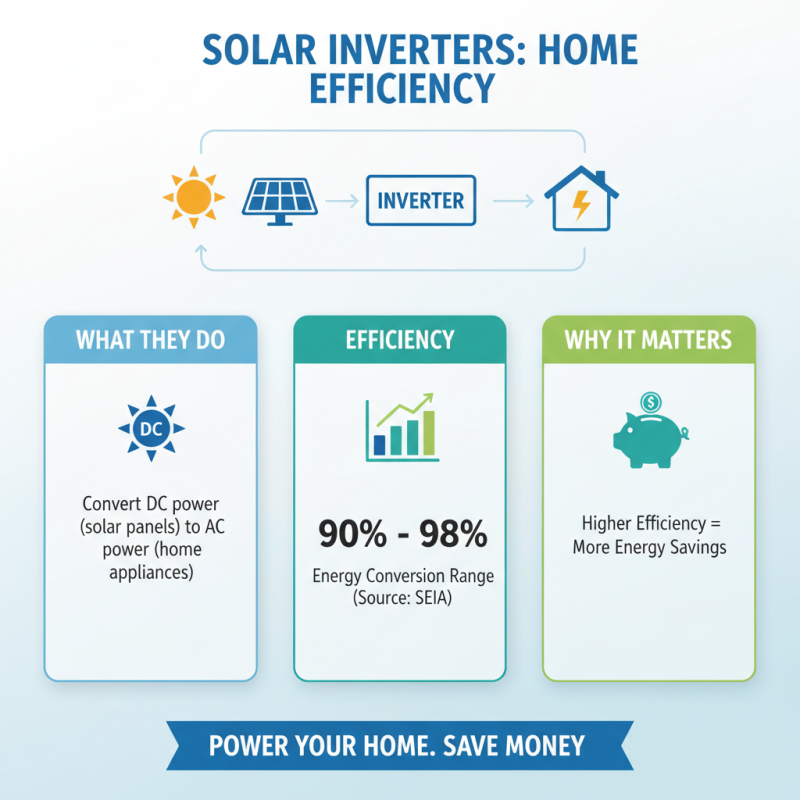
When considering solar arrays for home installation, inverter selection plays a crucial role. Inverters convert the direct current (DC) generated by solar panels into alternating current (AC) used by home appliances. According to the Solar Energy Industries Association, inverter efficiency can range from 90% to 98%. A higher efficiency means more energy conversion, translating into savings on utility bills.

Different inverter types exist, including string, micro, and power optimizers. String inverters are common due to their lower cost. However, they might not perform well in partial shading conditions. Microinverters, while more expensive, offer better performance in complex roof layouts. This can be vital in homes with multiple roof orientations. Research shows that homes using microinverters can see energy production increases of up to 20% compared to string inverters in similar conditions.

Choosing the right inverter requires assessing system size and energy needs. A mismatched inverter can lead to energy loss and increased costs over time. Many homeowners overlook this aspect. They may focus purely on panel selection, neglecting how inverters impact overall performance. Recognizing the importance of inverters can optimize solar efficiency and maximize return on investment.

Assessing Local Climate and Incentives for Solar Installation Decisions

When considering solar installation, local climate plays a crucial role. Regions with abundant sunlight, like the Southwest U.S., can significantly benefit from solar energy. According to the U.S. Department of Energy, areas receiving over 5.5 hours of sunlight each day are prime candidates for solar arrays. However, cloudy or rainy climates can lead to lower energy production. Assessing your local weather patterns is essential for estimating solar output.

Incentives can also impact your decision. Many states offer tax credits, rebates, or even local financing options to make solar more affordable. For instance, a report from the National Renewable Energy Laboratory indicates that some areas provide rebates that can cover 30% of installation costs. This can significantly shorten the payback period for your investment. Yet, these incentives vary widely and can even change year to year, adding a layer of complexity.

**Tip:** Research state and federal incentives before moving forward. This ensures you don’t miss out on potential savings.

Consider reaching out to local solar installers for customized advice. They understand your area’s climate and can guide you on the best fit. Sometimes, their data on energy outputs are not fully transparent, calling for deeper investigation. Always ask questions for clarity.