How to Choose the Best Solar Panel Racking for Your Needs?
Choosing the right solar panel racking is crucial for maximizing solar energy efficiency. According to John Smith, a leading expert in solar panel technology, "The right racking system can make or break your solar project." His insight highlights the importance of selecting the appropriate racking to support your solar panels effectively.
Solar panel racking affects installation, durability, and overall performance. A well-chosen racking system minimizes issues like corrosion and ensures stability in varying weather conditions. However, many overlook the nuances of different materials and designs. Each type of racking serves unique purposes, whether for rooftop installations or ground-mounted systems.
Understanding the complexity of solar panel racking is essential. The choices can be overwhelming. It’s easy to make decisions based solely on price or aesthetics. Yet, this can lead to significant setbacks in the long run. Careful consideration and expert advice can guide you to a more informed choice, ensuring that your solar investment pays off for years to come.
Understanding Solar Panel Racking: Types and Their Applications
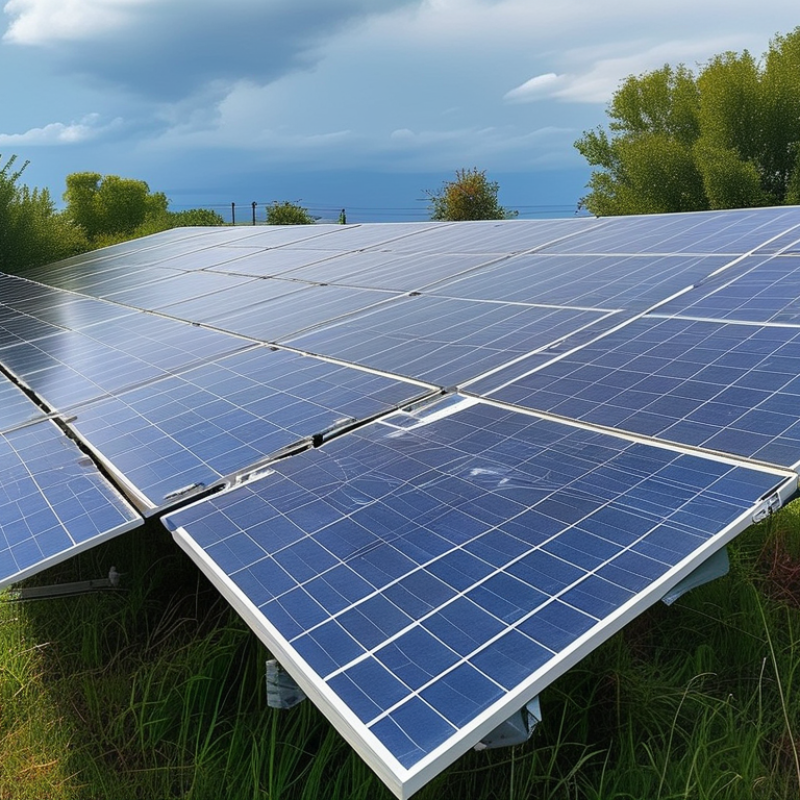
When selecting solar panel racking, it’s crucial to understand the various types available. Each type serves specific applications, impacting the overall efficiency of solar installations. Fixed racking systems are common for residential homes. They offer simplicity and affordability. However, they don’t adjust to sunlight changes throughout the day, which can reduce output.
On the other hand, adjustable racks provide flexibility. These systems can tilt and rotate, optimizing sunlight capture. In commercial settings, ground-mounted racking systems are often preferred. They allow for a larger area and can support more substantial installations. Yet, these setups demand thorough site assessments to avoid issues like flooding or debris accumulation.
Consideration of environmental factors is essential. For instance, areas prone to high winds may require more robust racking solutions. While seeking professional guidance is beneficial, personal research plays a vital role in making informed choices. Reflecting on what might work best for your specific location can enhance solar energy efficiency significantly.
Key Factors in Choosing the Right Racking Material for Solar Installations
Choosing the right racking material for solar installations involves careful consideration of several key factors.
Durability is paramount. Look for materials that can withstand harsh weather conditions, such as high winds or heavy snowfall.
Aluminum and galvanized steel are popular options, offering strength and resistance to corrosion.
However, a less expensive plastic could suffice in moderate climates.
Weight is another crucial aspect. Heavier racking systems can offer more stability but may require stronger mounting solutions.
Assess the structural integrity of your roof or ground system. It’s essential to avoid overloading it.
Consider the ease of installation as well. Some materials are more user-friendly, making the setup process quicker and more efficient.
Lastly, reflect on aesthetics and local regulations.
The appearance of the racking can influence both property value and community standards.
Compliance with local building codes is necessary to avoid future headaches.
Understanding these elements can help ensure a successful solar installation tailored to your specific needs.
Evaluating System Compatibility: Roof vs. Ground Mount Solar Racking
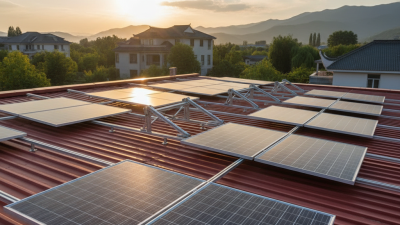
When evaluating your solar panel racking options, compatibility plays a crucial role. Roof-mounted systems are typically less expensive and easier to install. They utilize existing structure, minimizing additional land needs. A recent report highlighted that around 60% of residential solar installations use roof mounts. However, factors like roof orientation, shading, and structural integrity can impact performance.
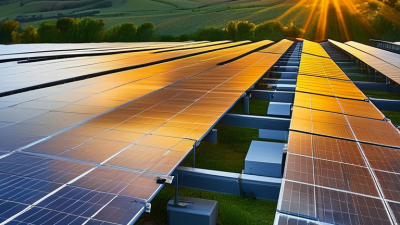
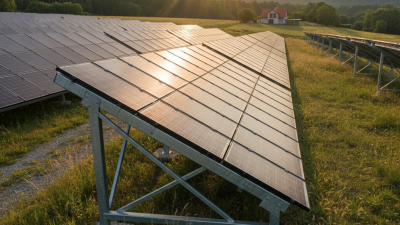
Ground-mount systems, on the other hand, offer flexibility in positioning. This can enhance solar exposure, leading to improved energy output. According to the National Renewable Energy Laboratory, ground-mounted panels can yield up to 20% more energy in optimal situations. However, they require more space and can incur higher installation costs. Site evaluation becomes essential to determine feasibility.
Consider these factors as you assess your needs. Analyze the available land or roof space carefully. Check for any potential shading from trees or buildings. Reflection on your specific circumstances will lead to better decisions. Choose a racking system that maximizes your solar potential while fitting your property’s constraints. Balancing costs and efficiency is key to a successful solar investment.
Assessing Local Climate and Its Impact on Racking Selection
When choosing solar panel racking, local climate plays a significant role. High winds, heavy snow, or extreme temperatures can drastically affect the structural integrity of racking systems. It is essential to evaluate the average wind speeds in your area. For instance, regions prone to storms may require more robust racking solutions.
Additionally, snowfall can impact ground-mounted racking. Areas with heavy snow accumulation need racking designed to handle weight without bending or breaking. The angle at which the panels are mounted also matters. An optimal tilt can minimize snow accumulation and improve energy capture in winter.
Understanding your environment is crucial. Installation near coastlines may introduce salt corrosion risks, while humid regions can foster rust. Consider local building codes and safety regulations as they are designed to protect installations from environmental challenges. Reflecting on these factors will lead to better decisions in selecting the right solar panel racking.
Cost Analysis: Investment and Long-term Benefits of Solar Racking Systems
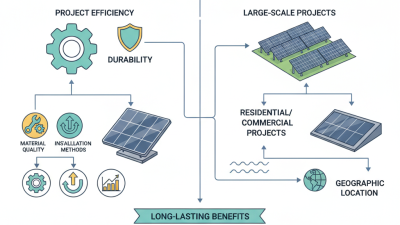
Investing in solar racking systems offers significant long-term benefits, especially when considering cost. Quality racking enhances solar panel efficiency and durability. This leads to higher energy generation and return on investment. The initial cost might be daunting, but the savings on energy bills can offset this over time.
The materials used in solar racking vary. Some are more expensive but offer superior strength and longevity. Cheaper options might save money upfront but can lead to higher maintenance costs. It's essential to evaluate these choices based on their lifetime performance. Quality often pays off in the long run.
Every installation is unique. Your choice of racking can impact overall system performance. It is wise to consider local weather conditions, roof type, and installation complexity. Investing in the right racking is crucial. Often, it is a reflection of future energy savings. Balancing initial costs with potential long-term gains requires careful thought and planning.
How to Choose the Best Solar Panel Racking for Your Needs?
| Racking Type |
Initial Cost (per kW) |
Installation Cost (per kW) |
Lifetime (Years) |
Maintenance Cost (per year) |
Long-term Benefits |
| Fixed Racking |
$100 |
$50 |
25 |
$5 |
Stable performance, low maintenance |
| Adjustable Racking |
$120 |
$60 |
20 |
$8 |
Increased energy yield, flexible positioning |
| Tracking Racking |
$150 |
$80 |
25 |
$10 |
Maximized output, higher ROI potential |
| Ballasted Racking |
$110 |
$70 |
20 |
$6 |
Easier installation, low ground disturbance |