Skip to content

How to Choose the Best Solar Energy System for Home?

Choosing the right solar energy system for home can feel overwhelming. Many options exist, and each has unique features. Expert David Miller, a leading solar consultant, wisely noted, “Every home is different; the best system is the one tailored for you.” His advice highlights the importance of considering individual needs.

When selecting a solar energy system for home, factors like location and energy consumption are crucial. For instance, homes in sunnier areas may benefit from larger systems. Those in shaded locations might not achieve optimal efficiency. Sometimes, homeowners rush decisions without fully understanding their options. This haste can lead to regrets later on.

It’s essential to research and think critically about available solutions. Engage with professionals who can provide tailored insights. Acknowledging that solar energy is not a one-size-fits-all approach can save you time and money. After all, the perfect solar energy system for home should reflect your specific circumstances and goals.
How to Choose the Best Solar Energy System for Home?

Understanding Your Energy Needs for Solar Energy System Selection

When choosing a solar energy system for your home, understanding your energy needs is crucial. According to the U.S. Department of Energy, most households use about 877 kWh per month. This figure helps determine the size of the solar energy system you may require. Start by reviewing your past electricity bills to identify your average consumption. This information helps you decide how much solar capacity you need.

Consulting resources like the National Renewable Energy Laboratory can provide insights into solar panel efficiency and output. A typical solar panel produces around 300 watts, generating roughly 1,200 kWh annually under ideal conditions. However, not every home has the same exposure to sunlight. Factors like roof orientation, shading, and local weather greatly impact energy production.

Consider your lifestyle too. If you plan to install an electric vehicle charger or add more appliances, your energy needs might increase. Balancing current usage and future needs can be tricky. Many homeowners underestimate future growth. Always think about potential changes in your household and energy consumption. Each detail matters and could lead to adjustments later on.
Types of Solar Energy Systems: Grid-Tied, Off-Grid, and Hybrid

When choosing a solar energy system for your home, consider the types available. Solar systems can be categorized into grid-tied, off-grid, and hybrid systems. Grid-tied systems connect directly to the utility grid. This allows homeowners to draw electricity from the grid when needed and feed excess energy back. They are often more cost-effective. However, they rely on grid power during outages.

Off-grid systems operate independently of the utility grid. They require battery storage to maintain a continuous energy supply. This option is great for remote areas, but it can be expensive. Sizing the system accurately is critical. Many homeowners underestimate their energy needs and later find themselves without power. Planning is essential here.

Hybrid systems combine both grid-tied and off-grid. They offer flexibility, allowing users to switch between sources. You may use grid power during low sunlight hours and rely on stored energy otherwise. However, this dual approach can complicate installation. Understanding local regulations is also important. Each option offers distinct benefits and challenges. Careful evaluation of your lifestyle and energy usage will lead to a better choice.

Types of Solar Energy Systems: Capacity Comparison

Evaluating Solar Panel Efficiency and Performance Ratings

When choosing a solar energy system for your home, evaluating solar panel efficiency is crucial. Efficiency refers to how well a solar panel converts sunlight into usable electricity. Higher efficiency means more energy production in a smaller space. Look for performance ratings that assess how panels perform under various conditions. These ratings often indicate longevity and reliability.

Tips for evaluating efficiency include reading reviews. User feedback can provide insights beyond standard ratings. Also, consider the temperature coefficient. This metric shows how a panel's performance declines in high heat. A lower number indicates better performance in hot climates.

Remember that efficiency isn't everything. Larger panels may offer lower efficiency but generate more power overall. Analyze your energy needs carefully. Size and efficiency must align with your specific requirements for optimal performance. Don't rush the decision; take time to research different options. This will lead to a more informed choice and potentially better long-term savings.

How to Choose the Best Solar Energy System for Home? - Evaluating Solar Panel Efficiency and Performance Ratings

Solar Panel Type Efficiency (%) Performance Ratio (%) Warranty (Years) Average Cost ($/W)
Monocrystalline 20.5 80 25 0.85
Polycrystalline 15.5 75 25 0.70
Thin Film 12.0 70 10 0.50
Bifacial 21.5 85 30 0.90

Financing Options and Incentives for Solar Energy Systems

How to Choose the Best Solar Energy System for Home?

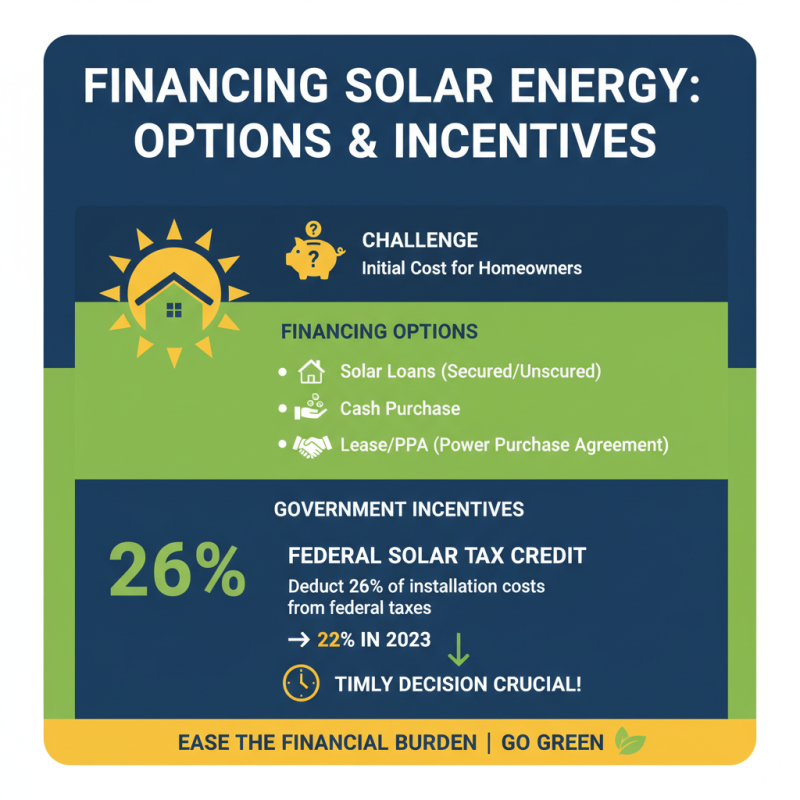
Financing solar energy systems can be a challenge for many homeowners. Various options exist to ease the financial burden, but they require careful consideration. Government incentives play a crucial role. For instance, the federal solar tax credit allows homeowners to deduct 26% of the solar installation costs from their federal taxes. This credit will decrease to 22% in 2023, making timely decisions crucial.

Additionally, many states offer rebates and grants that further reduce upfront costs. On average, homeowners can save between $1,000 to $3,000 through such programs. It's important to research local initiatives, as they differ widely. Financing options like solar loans and leases can also alleviate immediate payments. However, these choices come with complications, like interest rates or ownership issues that could impact long-term savings.

Consider how financing impacts your total investment. While some may opt for no upfront costs, they might end up paying more in the long run. Remember, not understanding the terms can lead to unexpected costs. Homeowners should examine their utility bills and energy needs. This helps in creating a more tailored financial plan. Careful analysis is essential for anyone looking to invest in solar energy.

Considering Installation, Maintenance, and Warranty Factors

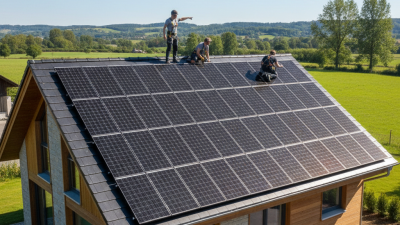
When selecting a solar energy system, installation, maintenance, and warranty are crucial factors. Installation should be efficient but not rushed. It’s important to assess the experience of those installing your system. Small errors can lead to significant long-term issues. A carefully planned installation can enhance the system’s performance. Ensure that your installer follows all local regulations and guidelines.

Maintenance is another key aspect to consider. Some systems require regular maintenance, while others are more low-key. Understand what your chosen system needs. Checking for dirt, debris, or shading on panels is vital. Neglecting maintenance can lead to decreased efficiency. Here are some tips: Schedule annual inspections, clean the panels, and monitor performance regularly.

Warranties can vary widely. A longer warranty often suggests higher quality but don’t be swayed solely by duration. Check what the warranty covers. Ask questions upfront. Some warranties might not cover all components. If installation issues arise later, you want to be protected. Read the fine print. Reflect on these aspects to make an informed decision.