Why Choose the Best Solar Racking Solutions for Your Projects?
The demand for effective solar racking solutions has surged in recent years. According to a recent report by the Solar Energy Industries Association (SEIA), the U.S. solar market installed over 19.2 gigawatts of solar capacity in 2022 alone. As projects multiply, the need for robust solar racking systems becomes critical. Bill Brown, an expert in solar infrastructure, states, "Quality solar racking is the backbone of any successful solar project."
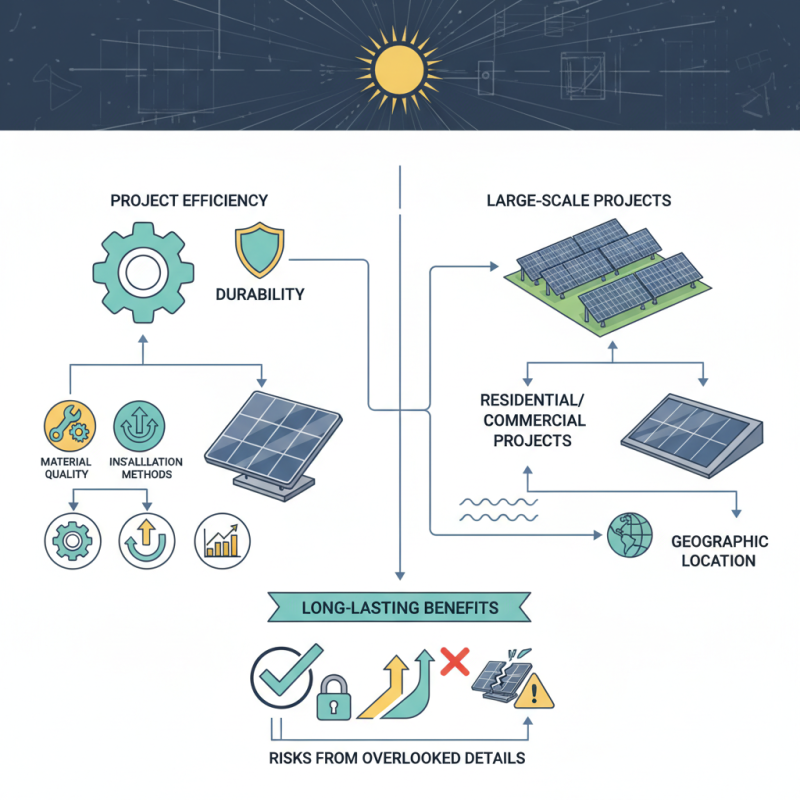
Choosing the best solar racking solutions affects project efficiency and durability. A poorly designed racking system can lead to costly downtimes and maintenance issues. Moreover, the right solution enhances energy output and ensures safety under extreme weather conditions. It is essential to consider factors such as material quality, installation methods, and market trends.
One size does not fit all in solar racking. Projects vary greatly in scale and geographic location. This diversity requires thoughtful evaluation of options. Acknowledging these complexities is step one. The right choices can lead to long-lasting benefits. However, overlooking details in the planning phase can invite risks. Solar racking deserves careful consideration, linked closely to overall project success.
Understanding Solar Racking Solutions and Their Importance
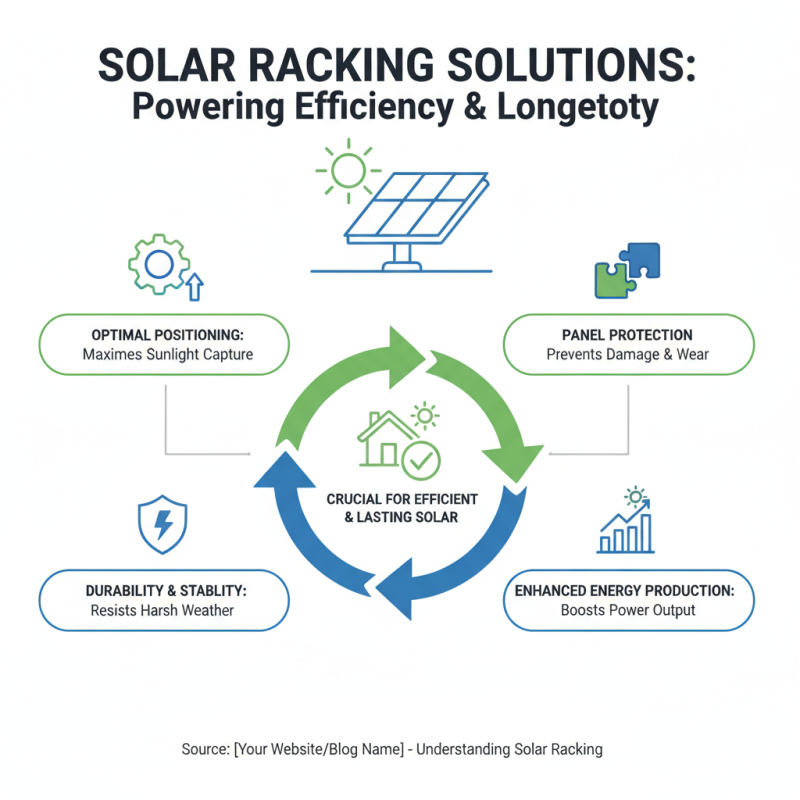
Solar racking solutions play a crucial role in the efficiency and longevity of solar power systems. They provide the necessary support for solar panels, ensuring optimal positioning to capture sunlight effectively. High-quality racking systems can withstand varying weather conditions, offering durability and stability. They help prevent damage to the panels while enhancing energy production.
In many projects, the choice of racking can be overlooked. This can lead to issues such as panel misalignment and increased maintenance costs. A deep understanding of the site conditions is essential. Factors like wind load and local regulations must inform the selection of racking solutions. It's vital to consider the long-term impact on both performance and investment. A poor choice can hinder energy generation and lead to unforeseen expenses.
Sustainability is another key aspect of solar racking systems. As the demand for clean energy grows, choosing environmentally friendly materials becomes increasingly important. The industry is evolving, and innovation in racking technology is significant. Still, many stakeholders may hesitate to embrace new solutions. They need to weigh the risks against the benefits, which can be daunting. Engaging with experienced professionals can help navigate these complexities and ensure decisions are informed.
Key Factors to Consider When Selecting Solar Racking Systems
Choosing the right solar racking system is crucial for the success of any solar project. One key factor to consider is the type of terrain.
Flat grounds require different racking options compared to sloped or uneven surfaces.
According to the National Renewable Energy Laboratory, using an improper racking system can reduce energy production by up to 20%.
Therefore, evaluating site conditions before installation is essential.
Material choice is also significant. Aluminum racking systems are lightweight and resistant to corrosion.
In contrast, steel systems offer durability but may require additional maintenance.
A study by the Solar Energy Industries Association noted that the lifecycle costs of racking systems can vary widely, impacting long-term project budgets.
Assessing your project's financial goals helps in selecting the appropriate material.
Additionally, installation complexity affects both time and costs. Some systems are designed for rapid assembly, while others need more skilled labor.
The average installation time can vary from hours to days, depending on the racking type. This variance can lead to unforeseen expenses and project delays.
Being aware of these factors invites more informed decision-making, which is invaluable in any solar project.
Types of Solar Racking Solutions Available in the Market
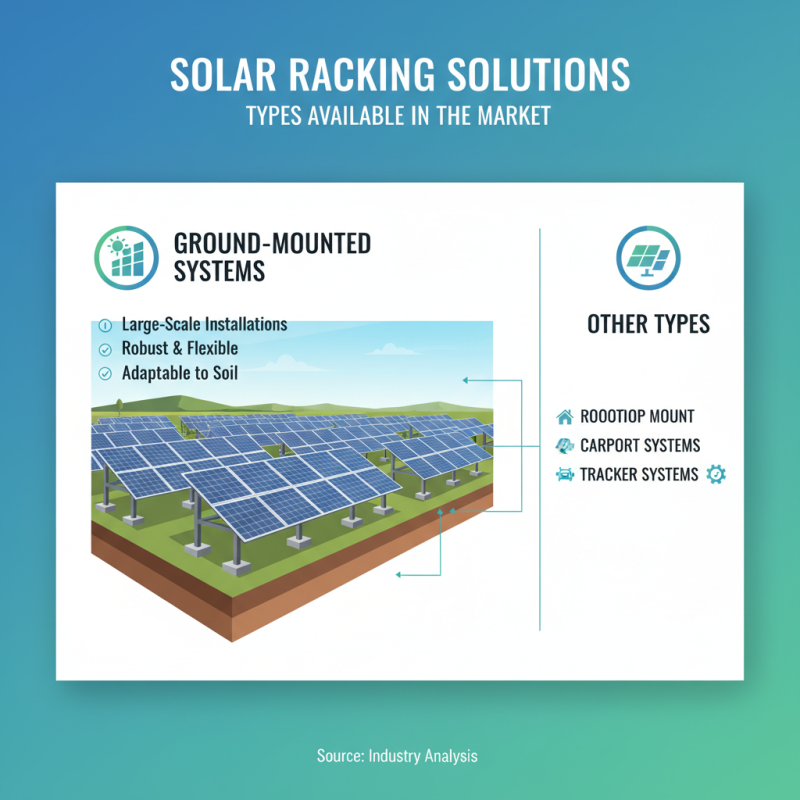
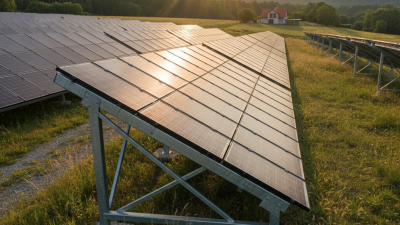
When it comes to solar racking solutions, understanding the types available is essential. Various systems exist, each with unique characteristics. Ground-mounted racking is a popular choice for large-scale installations. This type is robust and offers flexibility in panel arrangement. Depending on soil conditions, engineers can effectively design the racking to minimize installation challenges.
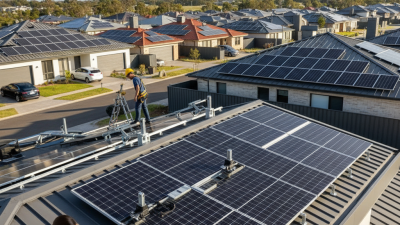
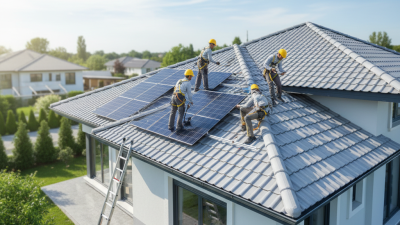
On the other hand, roof-mounted systems are ideal for residential or small commercial projects. These solutions optimize space and integrate well with existing structures. However, roof conditions can complicate the installation. It’s vital to assess the roof’s integrity before choosing this option. Ballasted systems are another alternative that reduces roof penetration. They hold panels in place using weight, yet they might not work for all roof types.
Tracking systems provide a more advanced solution. These systems adjust the panels' angle throughout the day, maximizing sunlight exposure. However, they require more maintenance and can complicate installation. Each type has its pros and cons, requiring careful consideration for project requirements. Evaluating these solutions demands both expertise and reflection on your specific needs.
Benefits of Choosing High-Quality Solar Racking Solutions
Choosing high-quality solar racking solutions is essential for any solar energy project. These systems provide the foundation for solar panels, ensuring they remain secure and effective. A reliable racking system enhances the overall performance of solar installations. It can significantly increase energy efficiency and the lifespan of the solar panels.
One major benefit of high-quality racking systems is their durability. They withstand harsh weather conditions like heavy winds and snow. It's important to select materials that resist corrosion and require minimal maintenance. Strong racking can prevent costly damage and ensure that your investment pays off in the long run.
**Tips:** Always consider local climate conditions when choosing solar racking. Consult with experts to assess site-specific needs. Look into warranties offered by manufacturers as a sign of quality assurance. Be vigilant about reviewing the installation process. A poorly installed racking system may lead to future problems, reflecting the importance of quality over cost.
How the Right Racking Solutions Enhance Project Efficiency and Longevity
Choosing the right solar racking solution can significantly impact project efficiency. Studies show that proper racking can improve energy output by up to 15%. This increase is largely due to optimal panel positioning and reduced shading. Effective racking enhances airflow. This cooling effect helps maximize performance, especially in warmer climates.
Durability is also crucial. Racking systems must endure various weather conditions. Reports indicate that a robust racking design can extend the lifespan of solar panels by an average of 5 years. This longevity reduces replacement costs and improves the overall return on investment. However, many projects overlook this aspect, often choosing cost over quality.
Furthermore, installation time is an important factor. A well-designed racking system simplifies the installation process. It can reduce setup time by nearly 30%. Yet, teams frequently underestimate this benefit. Rushed decisions can lead to inefficiencies that echo throughout the lifespan of a project. Investing in quality racking solutions pays off in enhanced efficiency and longevity.