What is the Best Solar Array for Home Use?
As energy costs rise, homeowners are increasingly turning to solar power. Choosing the right solar array for home use is crucial to maximize efficiency and savings. John Smith, a renowned solar energy expert, states, "The best solar array for home is one that meets your energy needs while being cost-effective." His insight underscores the significance of tailored solutions in solar energy.
Different factors influence the ideal solar array. The size of your roof, local climate, and energy consumption all play key roles. Homeowners should consider these aspects carefully. Many find it challenging to navigate the multitude of options available. Not every product suits every household; improper choices can lead to underperformance.
A reliable solar array for home helps reduce electricity bills and carbon footprint. However, it’s important to evaluate your options critically. Installation costs and long-term reliability need careful consideration. Researching reputable brands and consulting experts can lead to more informed decisions. Ultimately, while solar arrays offer great potential, homeowners must remain vigilant when selecting the right system for their needs.
Understanding Solar Arrays: Types and Their Applications for Homes
Understanding solar arrays is crucial for homeowners looking to harness renewable energy. These systems come in various types, each with its unique features and advantages. The most common types are grid-tied, off-grid, and hybrid solar arrays. Grid-tied systems connect directly to the local utility grid, offering cost savings through net metering. Off-grid systems operate independently, providing energy in remote locations. Hybrid systems combine the best of both worlds, allowing for battery storage while remaining connected to the grid.
When choosing a solar array, homeowners must consider several factors. Roof space, local climate, and energy needs play significant roles. A smaller home may not have enough roof area for large solar panels. A homeowner in a heavily shaded area may require more powerful panels. Durability is another important concern. Solar panels need to withstand various weather conditions. While most panels come with warranties, it's wise to investigate manufacturer reliability.
Awareness of the installation process is essential. Professional installation can costs vary significantly. Some may opt for DIY kits, but this approach could lead to mistakes. The complexity of local regulations can be challenging for those unfamiliar. Researching local incentives or tax credits can help mitigate costs. Understanding these factors will empower homeowners to make informed decisions that align with their goals.
Comparison of Different Types of Solar Arrays for Home Use
This chart illustrates the efficiency and average cost per watt of various types of solar arrays commonly used in residential applications. The data shows the balance between performance and expense, helping homeowners make informed decisions.
Key Factors to Consider When Choosing a Solar Array for Home Use
When choosing a solar array for home use, several key factors come into play. Start by considering your energy needs. Calculate your average monthly consumption; this determines how many panels you require. A higher energy demand means you may need a larger array. Also, think about the size of your roof. Limited space might restrict your options.
Next, evaluate the solar panel efficiency. Higher efficiency panels produce more energy and can fit in smaller areas. However, they often come with a higher price tag. Balance affordability and efficiency based on your specific situation. Consider local climate. In sunnier regions, even less efficient panels can perform well.
Installation is another crucial element. Ensure the installers are certified and experienced. A reputable installation boosts your array's performance and longevity. Don't overlook local regulations and incentives. They can impact your overall costs and savings. Reflect on the long-term benefits versus initial investments. Choosing the right solar array can be a complex decision. Make sure you research and ponder your options carefully.
Comparing Efficiency Ratings of Popular Solar Panel Brands
When considering solar arrays for home use, efficiency ratings are crucial. Different brands offer various efficiencies, impacting energy output and long-term savings. Higher efficiency means that more sunlight is converted into usable energy. This is especially important for homeowners with limited roof space.
Efficiency ratings can vary significantly across popular brands. Some panels may have an efficiency rating of around 15%, while others exceed 20%. This difference might seem small, but it can greatly affect performance. Homeowners should compare statistics and reviews to choose wisely.
However, not all high-efficiency panels are equally reliable. Sometimes, high ratings do not translate to real-world performance. Factors such as installation and local weather can influence outcomes. A panel may perform poorly despite impressive specs. Therefore, thorough research and expert consultation are essential before making a choice.
What is the Best Solar Array for Home Use? - Comparing Efficiency Ratings of Popular Solar Panel Brands
| Panel Type |
Efficiency Rating (%) |
Wattage (W) |
Price per Watt ($) |
Warranty (Years) |
| Monocrystalline |
20.6 |
320 |
2.60 |
25 |
| Polycrystalline |
18.4 |
300 |
2.20 |
25 |
| Thin-Film |
11.0 |
200 |
1.80 |
10-20 |
| Bifacial |
22.0 |
350 |
2.90 |
30 |
Installation Process: What to Expect When Setting Up Solar Arrays
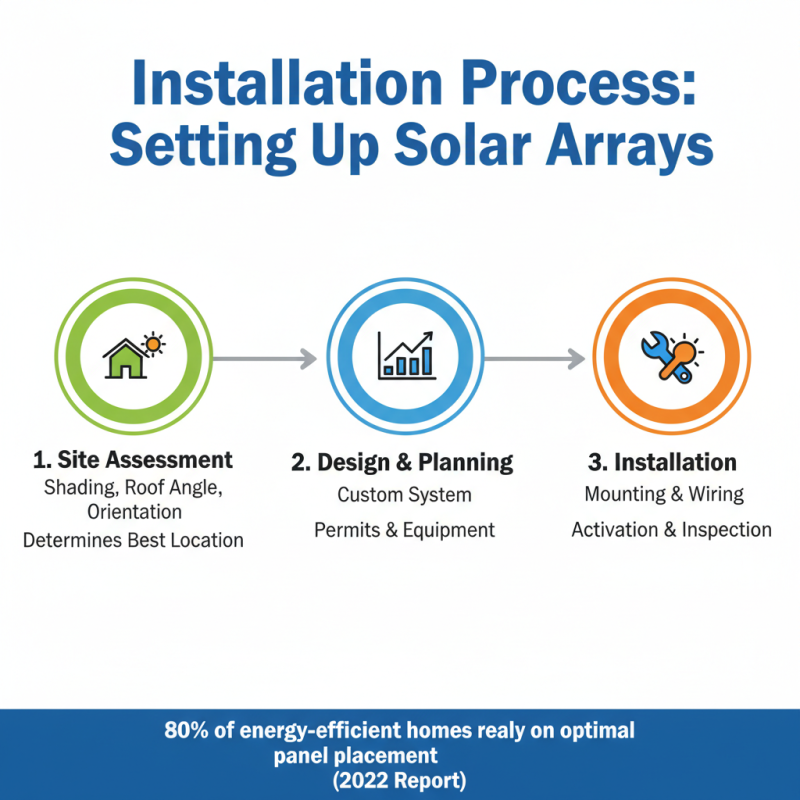
Installing a solar array at home can be rewarding yet complex. Expect several steps in the installation process. Initially, a site assessment will help determine the best location for solar panels. Factors like shading, roof angle, and orientation play critical roles. A 2022 report indicated that 80% of energy-efficient homes rely on optimal panel placement.
Next, the permitting process can take time. Local regulations often require specific approvals. Homeowners should prepare for varying timelines across regions. Some areas may take weeks to approve installations. Research from the Solar Energy Industries Association (SEIA) shows that proper permits can streamline the installation, reducing delays by up to 30%.
Installation typically involves mounting the panels, connecting them to inverters, and wiring to the home’s electrical system. This phase requires skilled technicians to ensure safety and efficiency. Homeowners should expect some unexpected challenges. For instance, hidden roof damages may surface. Such issues could lead to additional costs, causing delays. Industry data reveals that approximately 15% of installations face unforeseen complications.
Cost Analysis: Budgeting for Solar Arrays and Financial Incentives
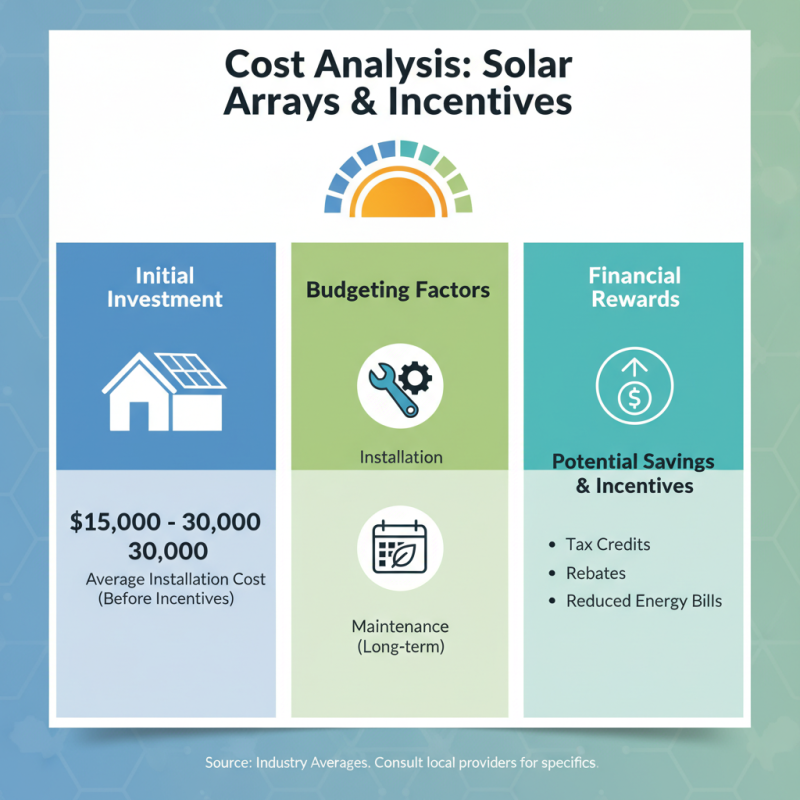
Investing in a solar array for home use can be financially rewarding. Understanding the costs involved is crucial. On average, the installation can range from $15,000 to $30,000 before incentives. To effectively budget, consider not just installation, but also maintenance over the years.
Financial incentives can significantly affect the overall cost. Federal tax credits, sometimes amounting to 26%, reduce the upfront expense. Local grants or rebates often exist as well. They can vary widely, so researching your specific location is necessary. Neglecting this can lead to missed opportunities for savings.
Tips: Start by assessing your energy needs. Gather three quotes from local installers. This helps compare offers transparently. Consider financing options too. Many homeowners opt for loans that facilitate lower monthly payments. As prices of solar components can fluctuate, timing your purchase wisely can save money. But do not rush in; thorough research is essential to avoid potential pitfalls.