Best Lithium Battery Cars for 2026 What You Need to Know
As we look toward the future of transportation, the rise of the Lithium Battery Car is undeniable. Industry expert Dr. Emily Chen states, “The efficiency of lithium batteries is transforming how we drive.” By 2026, we will see an array of advanced lithium battery vehicles, each offering unique features and capabilities.
Many manufacturers are focusing on improving battery life and charging speeds. For instance, brands like Tesla and Rivian are leading the charge, promoting innovation. These developments promise to boost the appeal of Lithium Battery Cars significantly. Consumers expect longer ranges and faster charging. However, adapting to rapidly changing technology poses challenges for both developers and consumers.
While the lithium battery car market is booming, challenges remain. Public infrastructure must evolve to support increased demand. Additionally, recycling old batteries presents environmental concerns that need addressing. As we anticipate this evolution, it's essential to reflect on the overall impact on our driving habits and the planet. The future of ownership could change as lithium battery technology continues to grow.
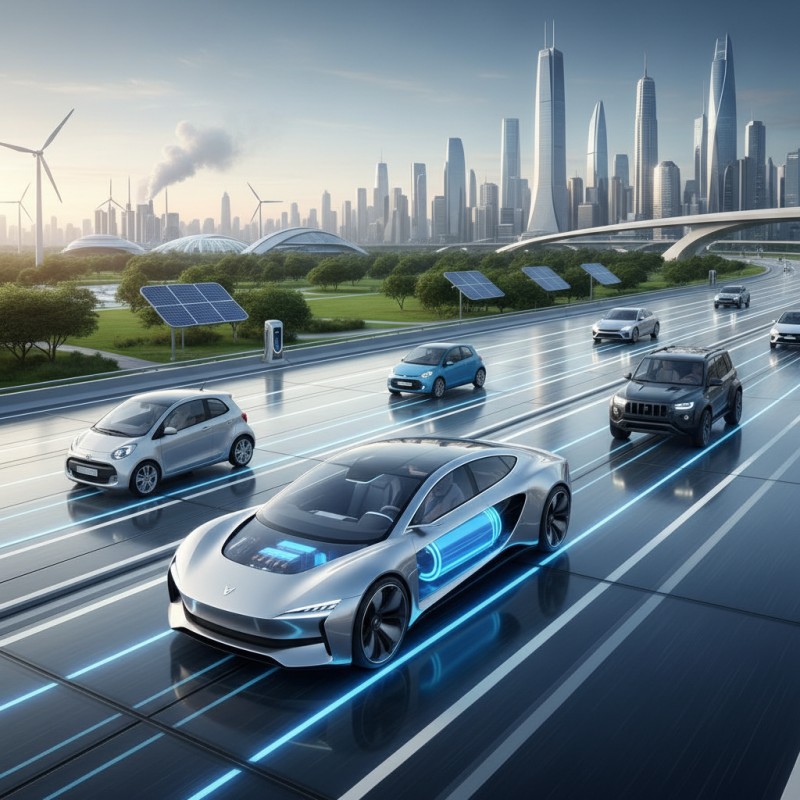
Overview of Lithium Battery Technology Advancements by 2026
As we approach 2026, lithium battery technology is set to transform the automotive landscape. Increased energy density will allow for longer ranges, addressing one of the main concerns of electric vehicle adoption. Charging times will also see improvements, with many batteries capable of reaching an 80% charge in under 30 minutes. This advancement is crucial for urban drivers and long-distance travelers alike.
However, there are challenges. The sustainability of lithium extraction remains a significant concern. As demand increases, ensuring environmentally responsible sourcing will become essential. Recycling practices for old batteries are still in their infancy, which raises questions about waste management in the automotive industry.
Battery efficiency is vital. Researchers are exploring new materials and chemistries that could eventually replace traditional lithium. Solid-state batteries promise safety and performance improvements, but widespread implementation is still a few years away. Exploring these innovations requires cautious optimism, recognizing both the potential benefits and the hurdles that lie ahead.
Key Players in the 2026 Lithium Battery Electric Vehicle Market
The lithium battery electric vehicle market is evolving rapidly. Many companies are racing to dominate this field. They focus on sustainability and efficiency. Innovations in battery technology are reshaping the landscape. Some manufacturers are exploring new materials to enhance performance. Others are investing heavily in research and development.
However, challenges remain. The supply chain for lithium is complex. Ethical sourcing of materials is a significant concern. Companies must ensure sustainability along every step. As production ramps up, increasing demand could lead to shortages. This is a significant issue that needs to be addressed.
Consumers are becoming more aware. They want transparency in the production process. Not all manufacturers provide clear information. Some may promise advancements but fail to deliver. This leaves potential buyers with doubts. The future of lithium battery cars will depend on how these issues are managed. The coming years will show how the market evolves.
Top Lithium Battery Cars to Watch for in 2026
As 2026 approaches, the automotive market buzzes with excitement around lithium battery cars. These vehicles promise a blend of efficiency and performance. Innovations are shaping their design and functionality. Expect improvements in battery life and charging times. Many manufacturers are focusing on sustainability, aiming for greener alternatives.
Some upcoming models display impressive features. They might have longer ranges and faster acceleration. Interior designs are set to become more user-friendly and tech-savvy. It's fascinating to see how each model tackles common electric vehicle challenges. Performance and convenience take center stage. However, charging infrastructure still lags in several regions, posing potential obstacles.
The competition is fierce among developers. Each is striving to push boundaries and redefine electric driving. Some claims may seem too ambitious, inviting skepticism. As enthusiasts, we should question and investigate these promises. The future looks promising, yet there’s room for improvement. Valid concerns about affordability and accessibility remain.
Comparative Analysis of Range and Charging Infrastructure for 2026 Models
As the market for lithium battery cars grows, potential buyers need to understand key factors. Range and charging infrastructure are critical. Many 2026 models promise impressive ranges, often exceeding 300 miles. This offers peace of mind for long drives. Still, actual range may vary by driving conditions and habits. For instance, heavy acceleration or use of climate control can reduce efficiency.
On the charging side, infrastructure is expanding but still inconsistent. In urban areas, charging stations are more common. Yet rural regions may still lack sufficient options. Fast-charging stations are essential for minimizing wait times. Many new models support rapid charging but depend on proper infrastructure. It’s worth considering available local charging options before making a purchase.
While these advancements are exciting, challenges remain. Charging can still take longer than refueling traditional vehicles. Users might find themselves planning trips around charging stops. As we look toward 2026, balancing range with charging availability will be key for potential owners. Evaluating personal needs in this context will help consumers make informed decisions.
Best Lithium Battery Cars for 2026: Range and Charging Infrastructure
Environmental Impact and Sustainability of Lithium Batteries in Vehicles
Lithium batteries play a crucial role in modern vehicles. They offer improved energy density, which allows for longer driving ranges. However, their environmental impact raises concerns. The extraction process can be harmful to ecosystems. Mining lithium often disrupts local habitats. Additionally, water use in mining operations can lead to scarcity in the surrounding areas.
Recycling lithium batteries is essential for sustainability. Currently, only a fraction of these batteries are recycled. This inefficiency contributes to resource depletion. New technologies are emerging to enhance recycling processes. These advancements may reduce environmental impact significantly. However, widespread implementation remains a challenge. Public awareness about battery disposal is essential.
Future vehicle design must focus on sustainability. Battery technology needs to evolve continually. Alternatives to lithium are being explored, but they also have drawbacks. Ultimately, striking a balance between technological advancements and environmental protection is crucial. Consumers should consider not only performance but also sustainability when choosing electric vehicles.
Best Lithium Battery Cars for 2026
| Car Model | Battery Capacity (kWh) | Range (miles) | Environmental Impact Rating | Sustainability Features |
| Model A | 75 | 300 | A+ | Recyclable Materials |
| Model B | 100 | 350 | A | Carbon Neutral Production |
| Model C | 90 | 320 | B+ | Second-life Battery Use |
| Model D | 80 | 280 | B | Solar Energy Integration |
| Model E | 105 | 400 | A++ | Fully Biodegradable Components |
