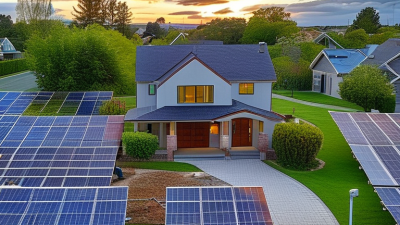
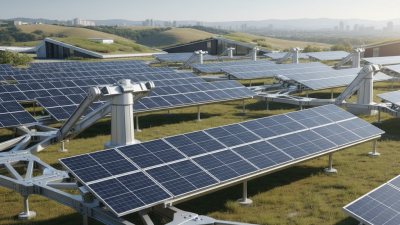
Ground solar panels give homes and businesses more freedom than a roof can offer. Rows can be angled toward the sun, spaced for airflow, and positioned away from chimneys or roof equipment. On a clear morning, that flexibility can mean fewer shadows crossing the modules. But the best setup depends on the site, not just the panel’s advertised wattage.
International Energy Agency Executive Director Fatih Birol has described solar as “the new king of electricity markets around the world.” His remark addresses solar broadly, rather than ground-mounted systems alone. Still, it captures the technology’s growing role. For property owners, the practical questions are smaller and more specific: How much usable land is available? Will trees shade the array in winter? Can installers reach the ground without disturbing drainage or daily operations?
This guide compares seven ground solar panels for residential and commercial use, while keeping system design in view. A panel is only one part of the decision. Mounting hardware, inverter compatibility, warranty terms, and local installation conditions matter too. Small details count. A fence line or a patch of wet soil can change a layout. Product specifications help, but they cannot replace a site assessment. And no ranking fits every property; even a strong option may be the wrong choice for a shaded or space-constrained lot.
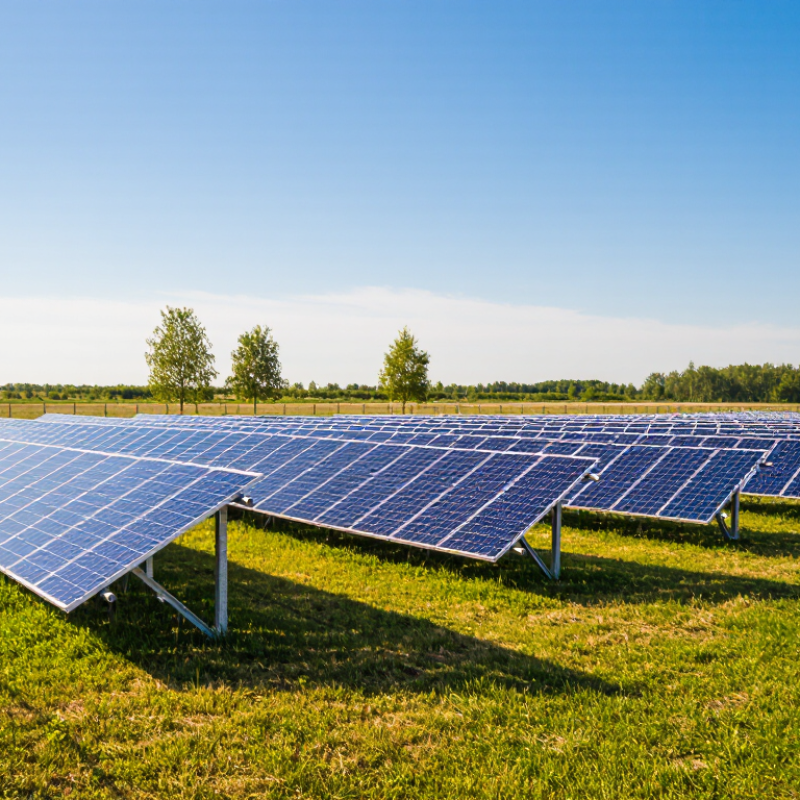
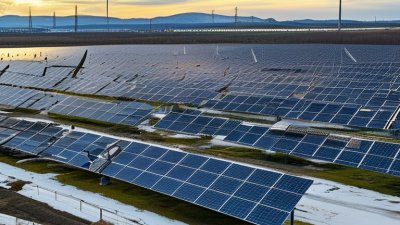
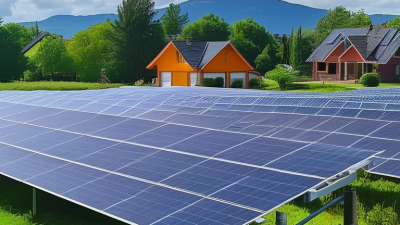
Ground-mounted solar panels sit on racks anchored in open land, rather than on a roof. They can be angled toward the sun and positioned away from chimneys, vents, or roof shade. That flexibility is useful when a roof is small or poorly oriented. It is not free space, though. A clear patch near the building, stable soil, and a practical route for wiring all matter.
Costs and output depend on location, design, and installation conditions. IRENA’s Renewable Power Generation Costs in 2023 report put the global weighted-average cost of electricity from utility-scale solar PV at $0.044 per kilowatt-hour. That figure describes large projects, not a household quote, but it shows why scale matters. A home ground array may need extra foundations, trenching, and permits. A business can spread some infrastructure costs across a larger system. Even so, site estimates can miss drainage or future shading. Check the details.
Tips: Mark the array’s proposed footprint with stakes. Watch it through a full day for shade, then ask an installer to assess soil, setbacks, wiring distance, and snow or wind loads. Compare expected annual production with your actual electricity use—not just the panel rating.
A ground-mounted solar system should fit the site, not just the energy bill.
Start by measuring usable land, including room for rows, equipment, and service access. Watch the area through the day; a tree’s morning shadow can reduce output more than a quick midday visit suggests. Soil matters. Rocky ground, slopes, and drainage can change foundation needs and installation costs. Ask a qualified installer to assess soil conditions, local weather loads, and required permits before choosing a mounting structure.
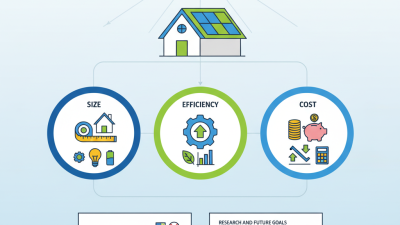
Match system size to actual electricity use. Homes may have seasonal peaks from heating or cooling, while businesses often use more power during working hours. Review at least a year of utility bills, then compare expected production with those patterns. Measure twice. Check equipment warranties, monitoring features, and who handles maintenance. Keep enough space around panels for safe access, and consider how future trees or construction could cast shade. A lower initial quote may omit grading, trenching, or electrical work, so compare itemized estimates. It is easy to focus on panel count; the less obvious site work can matter just as much. A careful assessment may reveal that a smaller array is the more practical choice.
Seven ground solar panel systems suit different sites: fixed-tilt racks, seasonally adjustable racks, single-axis trackers, dual-axis trackers, pole mounts, ballasted ground racks, and elevated solar canopies. Fixed racks are mechanically simple; trackers can follow the sun but add moving parts and maintenance. Canopies may provide useful shade over parking areas, though their height and foundations can raise costs. Shade changes everything. The best choice depends on soil, wind, access, and how much space is available.
Site area deserves careful checking. NREL’s land-use study estimated that large-scale solar photovoltaic plants used an average of 7.3 acres per megawatt of direct area, or 8.9 acres per megawatt including total site area. These utility-scale figures are not a sizing rule for a home, but they show why layout and spacing matter. IRENA reported that global utility-scale solar’s weighted-average electricity cost fell 12% in 2023, to $0.044 per kilowatt-hour. That global figure does not predict an individual project’s payback.
Tips: Ask for a site plan showing panel rows, setbacks, drainage, and equipment access. Confirm soil conditions before choosing foundations. Measure twice. A tracker may look impressive, but a simpler fixed rack can be easier to maintain; there is no universal winner.
| Ground-Mount System | How It Is Installed | Best-Suited Site | Key Characteristics | Main Consideration |
|---|---|---|---|---|
| Fixed-Tilt Ground Mount | Panels are secured at a fixed angle on a ground-supported frame. | Open, relatively level sites with good year-round sun exposure. | Simple layout with no moving parts. Tilt and orientation are selected for the site and local solar conditions. | Panel angle cannot be changed seasonally; foundations and frame must be engineered for local soil and wind conditions. |
| Seasonally Adjustable-Tilt Mount | A fixed frame includes adjustment points that allow the panel angle to be changed periodically. | Sites where an owner can safely access the array for occasional adjustments. | Allows a steeper or shallower tilt at different times of year without a powered tracking mechanism. | Adjustments require suitable access and should follow the system’s installation and safety instructions. |
| Single-Axis Tracking System | Rows of panels rotate around one axis, commonly following the sun’s daily path. | Large, open sites with limited shading and room for moving rows. | Can increase energy production compared with a fixed array in suitable locations; commonly used for larger installations. | Moving parts, controls, spacing, and maintenance add complexity; performance depends on the site and system design. |
| Dual-Axis Tracking System | The array moves on two axes to adjust its orientation as the sun’s position changes. | Sites prioritizing solar alignment where space, budget, and maintenance access are available. | Can follow changes in both solar altitude and direction throughout the day and year. | More mechanical complexity and maintenance than fixed or single-axis systems; suitability is highly site-specific. |
| Driven-Pile Ground Mount | Steel posts are driven into the ground to support the panel racking. | Sites with soil conditions that allow reliable pile installation and adequate structural support. | Often avoids individual concrete footings and can be installed efficiently where geotechnical conditions are suitable. | Rocky, very hard, or unsuitable soils may require a different foundation approach; soil testing may be needed. |
| Ground-Screw Foundation Mount | Helical steel screws are installed in the soil and connected to the racking structure. | Sites where screw foundations can be installed to the required depth and capacity. | Can reduce excavation and concrete use, and may allow installation with relatively little site disturbance. | Installation capacity depends on soil conditions; installation torque and structural requirements need verification. |
| Ballasted Ground Mount | Weighted bases, often using concrete blocks, hold the racking in place without conventional deep foundations. | Suitable prepared surfaces or sites where ground penetration is restricted. | Can be useful where driving posts or installing ground screws is not permitted or practical. | Ballast adds weight and may require more prepared area; wind loading, drainage, and surface capacity must be assessed. |
System suitability, energy production, spacing, tilt, and foundation design vary with location, shading, soil, weather loads, local codes, and project requirements. A qualified solar professional should assess the site before installation.
Ground-mounted solar gives homeowners and businesses more freedom to choose panel size, layout, and tilt. Seven common options include standard monocrystalline, high-efficiency N-type, bifacial, half-cut-cell, shingled, thin-film, and large-format commercial panels. Standard monocrystalline panels often balance price and output, while premium N-type models can produce more power from limited space. Bifacial panels may collect light reflected from pale gravel or concrete, but offer less benefit over dark soil. Thin-film panels are lighter, though they usually need more land for similar output. Small details matter.
Panel prices tell only part of the story. Racking, site preparation, trenching, wiring, and labor can raise the total cost substantially. A level, sunny field may need little grading; rocky ground or long cable runs can add expense. Compare installed cost per watt, not just the price of each panel. Also check the system’s estimated annual output for your location, since shade, weather, and panel angle affect production. A high wattage rating is not a promise of higher yearly savings.
Ground arrays need clear space, stable supports, and safe access for maintenance. Ask installers how they will handle drainage, wind loads, and winter snow. Some layouts look efficient on paper but leave little room to clean or repair panels. That trade-off is easy to overlook. Request itemized bids and verify assumptions about energy use before choosing.
Ground-mounted solar panels need more than an open patch of land. Before installation, check how the site handles rain, wind, and seasonal shade. A sunny area in spring may sit beneath long tree shadows by winter. Drainage matters. After heavy rain, look for standing water or soft soil where support posts may shift. A qualified site assessment can check soil conditions, slope, access, and the best panel orientation.
Leave enough room to inspect wiring and reach each row without trampling plants or compacting wet ground. Keep grass and fast-growing shrubs low, but avoid digging near buried cables or supports. Panel surfaces often need only occasional cleaning with water and a soft brush. Follow the equipment maker’s care instructions, and avoid abrasive tools that can scratch glass. Never climb on the panels. Small details add up.
A simple maintenance log helps reveal gradual changes. Record inspection dates, visible damage, unusual shading, and energy output; compare similar seasons rather than isolated days. After strong winds or hail, check for loose connections, cracked glass, or shifted racking from a safe distance. Have a qualified technician handle electrical checks and repairs. Performance can decline for reasons that are not obvious, including new tree growth or a failing connection. I would not assume every drop means faulty panels; weather, inverter readings, and site changes deserve a closer look.