Top 10 Benefits of Using an EV Charger for Your Car?
As the world shifts towards sustainable energy, the popularity of electric vehicles is rising. An Ev Charger Car offers numerous advantages that can enhance your driving experience. Charging at home provides convenience, eliminating the need for traditional fuel stops. Imagine waking up to a fully charged vehicle every morning.
Additionally, using an EV Charger Car can save money on fuel costs over time. Driving an electric vehicle is often cheaper than gasoline. However, some may argue that charging infrastructure is still lacking in certain areas. This can create challenges for long trips. Yet, it's essential to consider the growing network of charging stations.
Moreover, EV Charger Car users often enjoy tax incentives and rebates. These benefits make owning an electric vehicle even more appealing. As the technology progresses, it may become easier to address existing concerns. The future of electric vehicles looks bright, but some aspects still require improvement.
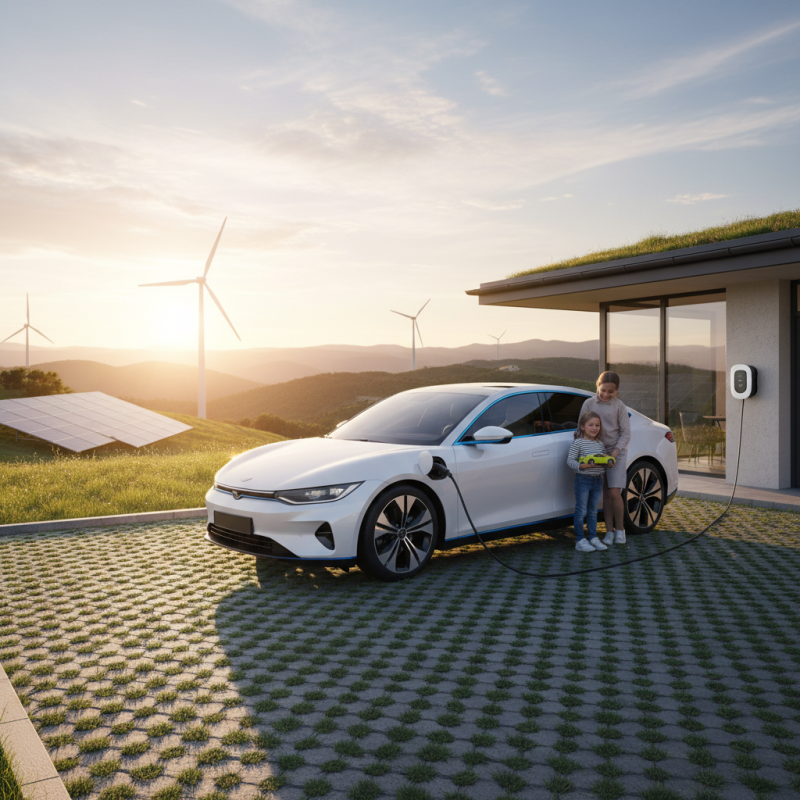
Benefits of Reduced Fuel Costs Through EV Charging Infrastructure
Electric vehicles (EVs) are gaining popularity, not just for their environmental benefits but also for the financial savings they offer. One significant advantage of using an EV charger is the reduction in fuel costs. Charging an electric vehicle often costs less than filling a gas tank. This can lead to substantial savings over time. Drivers can save hundreds of dollars each year, depending on their usage.
Having access to EV charging infrastructure makes this savings potential even stronger. Many municipalities are expanding their networks of charging stations. These developments are providing easier access for EV owners. At home, charging during off-peak hours can lead to even lower electricity rates. However, not everyone has the luxury of a home charger. It is essential to address this gap in charging access as it can impact overall savings.
Transitioning to electric vehicles is not without challenges. While the fuel savings are clear, they depend on electricity prices and charging availability. Some drivers may still face high costs if charging options are limited. The future of EV charging infrastructure needs to be inclusive to maximize these benefits. There’s still work to do, ensuring everyone can truly benefit from the cost efficiency of EVs.
Improved Energy Efficiency of Electric Vehicles with Dedicated Chargers
Using an EV charger for your car enhances energy efficiency. Dedicated chargers are designed especially for electric vehicles. They deliver higher power levels than regular outlets. This means reduced charging time and faster access to energy. When you use a dedicated charger, your vehicle can convert energy more efficiently. This ensures longer driving ranges and fewer stops for charging.
One important tip: consider the location of your charger. Placing it near your parking space can save time. This promotes convenience and encourages more frequent charging. Another tip: regularly check the charging cables. Faulty cables can slow down charging. Safe and efficient charging is crucial for maintaining battery health.
Using an EV charger also reduces energy loss. It minimizes wasted energy often seen with standard outlets. This is where efficiency comes in. However, some may find the initial installation costs intimidating. Reflect on this: efficient charging can lead to savings over time. Remember, higher efficiency often translates to lower energy bills.
Increased Resale Value of Electric Vehicles with Charging Compatibility
When it comes to electric vehicles (EVs), having charging compatibility can greatly enhance their resale value. Buyers today are increasingly looking for vehicles that offer convenience, efficiency, and sustainability. An EV charger not only provides easy access to energy but also assures potential buyers that they can maintain the vehicle’s electric capabilities with ease.
One practical tip for enhancing resale value is to document your charging data. Keep track of your EV’s charging history, showing how efficiently it has operated. This can serve as proof of the vehicle's reliability, attracting more buyers. Additionally, consider upgrading your charging station. A modern, high-capacity charger can be a valuable selling point.
Another point to think about is the condition of the EV itself. With technology evolving rapidly, make sure your car's software is up to date. Buyers want to feel confident in their purchase. Regular maintenance can show that you care for the vehicle. An EV with pristine condition often garners a higher price. Always think about the long-term value when investing in additional charging features.
Top 10 Benefits of Using an EV Charger for Your Car
Environmental Impact: Reduction of Carbon Footprint via EV Charging
Electric vehicles (EVs) are transforming our approach to transportation. One of the key benefits of using an EV charger is the significant reduction in carbon footprint. By charging with renewable energy sources, drivers can further minimize their environmental impact. Solar and wind energy are ideal options, lessening our dependence on fossil fuels.
Still, there are challenges. Not all electricity comes from clean sources. In regions where coal dominates, the benefits lessen. It's crucial to consider where the power is generated. This awareness can help consumers make informed choices. Installing home chargers can promote mindful usage, encouraging a shift toward greener energy resources.
Moreover, public charging stations are becoming more common, yet they are not evenly distributed. Urban areas might flourish, while rural regions struggle. Addressing this disparity is essential for maximum impact. The growth of EV infrastructure should prioritize accessibility for all communities. By recognizing these challenges, individuals can advocate for more sustainable practices in their regions.
Top 10 Benefits of Using an EV Charger for Your Car
| Benefit | Description | Environmental Impact |
| Lower Emissions | EVs produce zero tailpipe emissions, significantly reducing air pollution. | Reduces overall carbon footprint. |
| Renewable Energy Usage | Can charge using renewable energy sources like solar or wind. | Promotes clean energy consumption. |
| Energy Efficiency | EVs are more efficient than traditional vehicles, converting more energy from the grid. | Minimizes energy wastage. |
| Support for Sustainable Infrastructure | Encourages the development of more EV charging stations. | Supports sustainable urban planning. |
| Reduced Dependence on Fossil Fuels | Helps decrease reliance on oil and gas for transportation. | Aids in the transition to cleaner fuels. |
| Lower Noise Pollution | Electric vehicles operate more quietly than conventional vehicles. | Reduces noise levels in urban areas. |
| Grid Stability | EV charging can help stabilize the electric grid when managed effectively. | Supports energy distribution efficiency. |
| Job Creation in Green Sector | Growth in the EV market supports job growth in renewable energy sectors. | Stimulates green economy. |
| Improved Public Health | Less air and noise pollution leads to better health outcomes. | Enhances community wellness. |
| Incentives and Cost Savings | Government incentives for EV charging promote adoption. | Economical benefits for users. |
Convenience and Accessibility of Home Charging Solutions for EV Owners
Charging your electric vehicle (EV) at home brings unmatched convenience. When you plug in overnight, you wake up to a full battery. No more last-minute trips to a public charging station. This routine simplifies your daily life, allowing you to focus on more important matters.
Home charging solutions offer greater accessibility. Even in urban areas, having a charger at home eliminates the dependence on external infrastructure. It empowers EV owners. However, not everyone has access to a garage or a private driveway. This challenge can make home charging unrealistic for some.
Investing in a home charger can be costly. Installation fees and equipment costs may deter potential buyers. It's a dilemma that requires careful thought. The flexibility of charging at home versus the financial commitment is an ongoing conversation. Balancing these factors is key for future EV owners.
