Top 10 Benefits of Ground Solar Panels for Home Installation
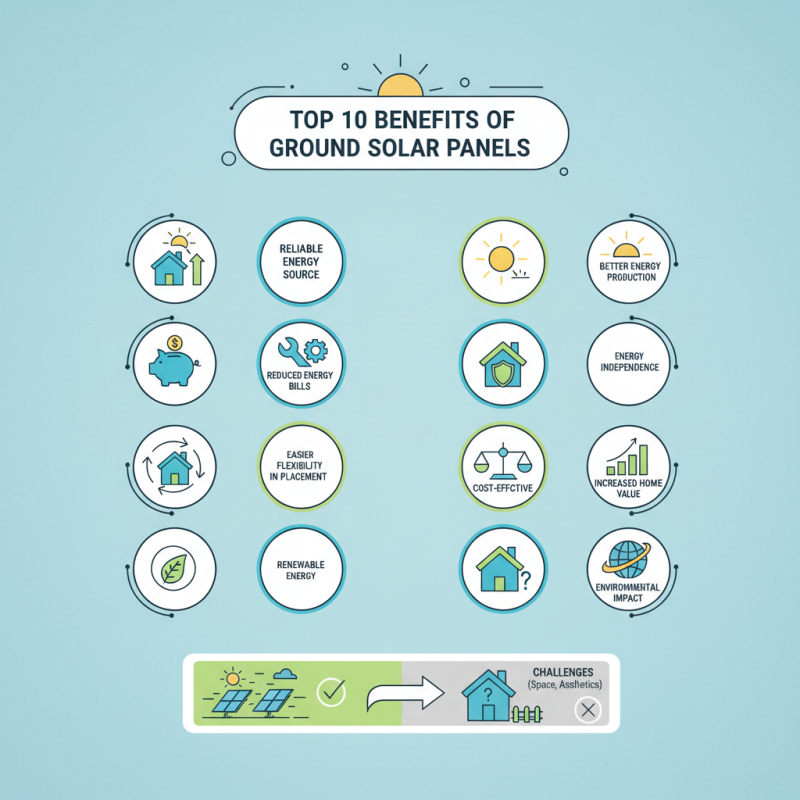
Ground solar panels for home installation have become increasingly popular. They offer homeowners a reliable source of renewable energy. Many people are looking for ways to reduce their energy bills. Ground installations can provide an attractive solution.
One significant benefit is the flexibility in placement. Homeowners can install panels anywhere with sufficient sunlight. This could lead to better energy production compared to rooftop systems. Additionally, maintenance is often easier with ground installations.
However, there are challenges too. Some may find that space becomes a limitation. Others might worry about aesthetics in their yard. Balancing these aspects requires careful consideration. Despite these imperfections, the benefits often outweigh the drawbacks. Ground solar panels for home use can transform energy consumption and savings.
Benefits of Ground Solar Panels: A Comprehensive Overview
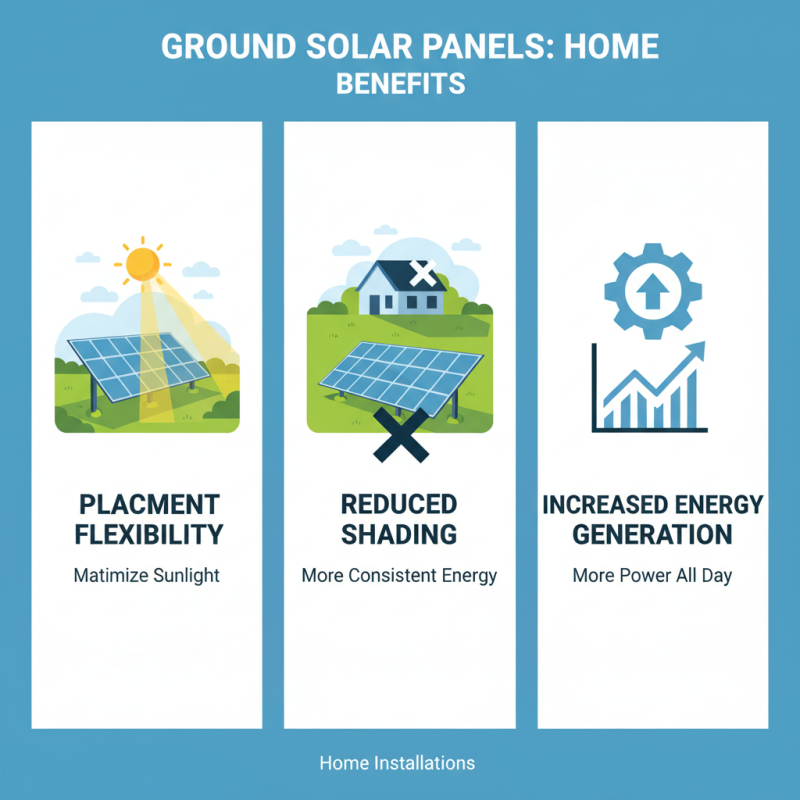
Ground solar panels provide numerous benefits for home installations. They offer flexibility in placement, making it easier to maximize sunlight exposure. Unlike rooftop systems, they can be positioned in open spaces, reducing the risks of shaded areas. This positioning allows homeowners to generate more energy throughout the day.
Additionally, ground installations usually require less maintenance than other types of solar panels. Many homeowners find that they can keep them clean with simple washing. This accessibility also makes it easier to inspect for any possible damage or wear over time. However, it is important to consider potential challenges, like the initial setup cost. Larger spaces may need more groundwork, which can be a barrier for some.
In some locations, permits and zoning issues may complicate the installation process. It's essential to research these regulations beforehand. Despite these obstacles, the long-term energy savings and environmental benefits make ground solar panels an appealing option. The shift towards renewable energy can profoundly impact your household energy consumption.
Increased Energy Efficiency Through Ground Solar Installation
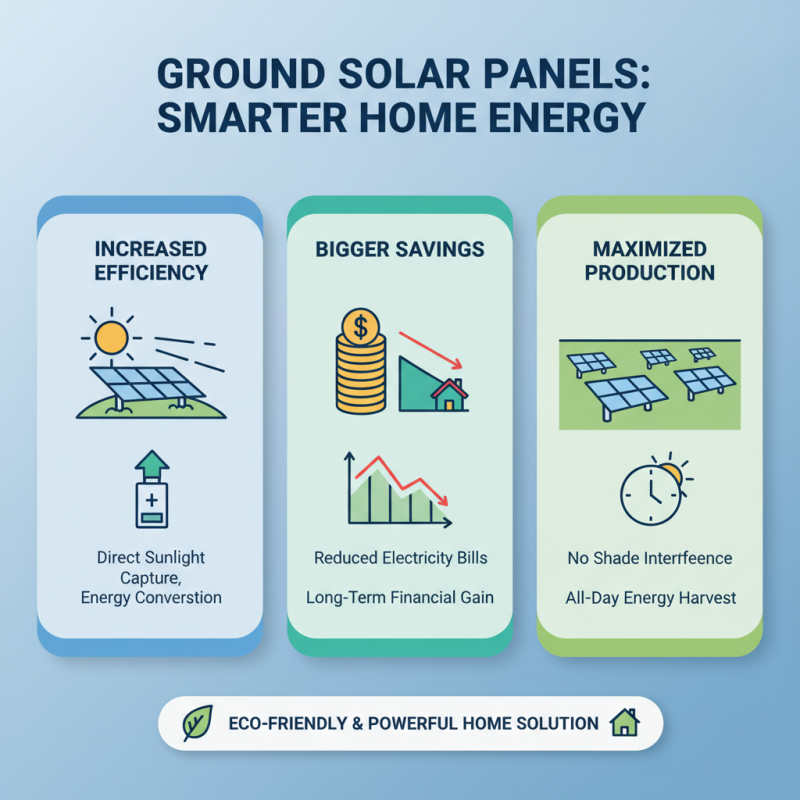
Ground solar panels offer a unique advantage for homeowners seeking increased energy efficiency. By capturing sunlight directly from the ground, these panels can convert solar energy more effectively. The installation can lead to significant savings on electricity bills over time. Additionally, ground solar systems can harness more sunlight, especially in open areas without shade. This maximizes energy production throughout the day.
When considering installation, choose a location with optimal sun exposure. Avoid areas surrounded by tall trees or buildings. Check local regulations and property details before digging. A flat surface may simplify the installation process, but slopes can still work. Remember that you might need to adjust the angle of the panels for better sunlight absorption.
Regular maintenance is essential for ground solar panels. Clean the panels occasionally to remove dirt and debris, which can block sunlight. Watch for any shading that may result from nearby plants. Regular checks can help maximize energy output and prolong system life. Investing time in maintenance pays off in the long run.
Cost Savings: Analyzing Long-term Financial Benefits of Solar Panels
Ground solar panels can significantly impact your finances over time. Many homeowners report substantial savings on energy bills. According to a study by the U.S. Department of Energy, solar installations have lowered electricity costs by about 20% on average.
In the long term, the return on investment is noteworthy. A report from the National Renewable Energy Laboratory suggests that homeowners can save up to $30,000 over 20 years with solar panels. The upfront costs can be daunting. However, incentives and tax credits can offset initial expenses. Many people hesitate to invest. They worry about changing technology or maintenance. Yet, with proper research, these concerns can be mitigated.
Additionally, solar panels can increase property value. Properties with solar energy systems can sell for about 4.1% more than those without, according to Zillow. This highlights a dual benefit: immediate savings and long-term asset appreciation. As with any investment, careful evaluation is essential. Regular maintenance and performance checks can ensure optimal efficiency. Homeowners must weigh the potential savings against installation costs and maintenance tasks.
Environmental Impact: Reducing Carbon Footprint with Ground Solar
Ground solar panels have significant environmental benefits, particularly in reducing our carbon footprint. According to the U.S. Department of Energy, solar energy has the potential to cut greenhouse gas emissions by up to 80% by 2050. Home installations of ground solar panels can generate clean energy, effectively reducing reliance on fossil fuels. This switch can lead to a decrease in carbon dioxide emissions by approximately 100 tons over a 30-year period for an average home.
It's important to consider that while solar energy is cleaner, the production of solar panels does involve some environmental impact. The manufacturing processes can produce waste and consume resources. Therefore, choosing responsibly sourced panels can help mitigate these issues. Always ask vendors about their sourcing practices and recycling programs.
Tips: When installing ground solar panels, consider their location. Avoid shaded areas to maximize sunlight exposure. This simple choice can enhance efficiency. Regular maintenance, like cleaning panels, ensures optimal operation. Lastly, monitor your energy consumption to understand how solar power is making an impact. Observing your usage can reveal areas for improvement.
Enhancing Property Value: Solar Panel Installations and Real Estate Trends
Solar panel installations can significantly influence property value. Recent reports show that homes with solar energy systems sell for about 4.1% more than those without. This increase can be substantial, especially in competitive real estate markets. For instance, in California, homes with solar panels can see value boosts exceeding $20,000.
The trend toward clean energy is evident. Buyers are willing to pay more for eco-friendly features. A survey by the National Renewable Energy Laboratory revealed that 82% of homebuyers consider solar panels appealing. Yet, not all properties benefit equally. Location matters. In areas with higher electricity costs, the appeal of solar increases. However, potential buyers may lack awareness of long-term savings, which can hinder swift sales.
Despite these benefits, some homeowners remain hesitant. The initial investment can be daunting, even with incentives. Many worry about maintenance costs and system lifespan. It's crucial for sellers to provide transparency. Sharing data on energy savings and system reliability can alleviate concerns. Engaging with potential buyers about these aspects can build trust and interest.