Why Should You Get Solar Panels for Home Benefits and Savings Explained?
In recent years, the push for renewable energy has gained momentum, especially in residential settings. According to the U.S. Department of Energy, solar energy usage in homes has tripled over the last decade. This surge highlights a growing interest among homeowners to get solar panels for home use. Industry expert Dr. Jane Roberts emphasizes the importance of this shift: "Investing in solar panels not only reduces energy bills but also enhances property value."
As climate change impacts become more pronounced, homeowners face a critical choice. The financial implications of getting solar panels are significant. A report by the National Renewable Energy Laboratory revealed that households could save up to $20,000 over 20 years by switching to solar power. However, potential buyers must consider initial costs and installation challenges. These factors can sometimes lead to hesitation, making it essential to weigh both immediate and long-term benefits.
Moreover, the return on investment for solar installations can vary by location and energy usage. Some homeowners may find the upfront costs daunting. Yet, with available incentives and financing options, the path to utilizing solar energy becomes more accessible. As we explore the multifaceted advantages of getting solar panels for home, it's clear that despite potential drawbacks, the benefits may far outweigh the initial investment.
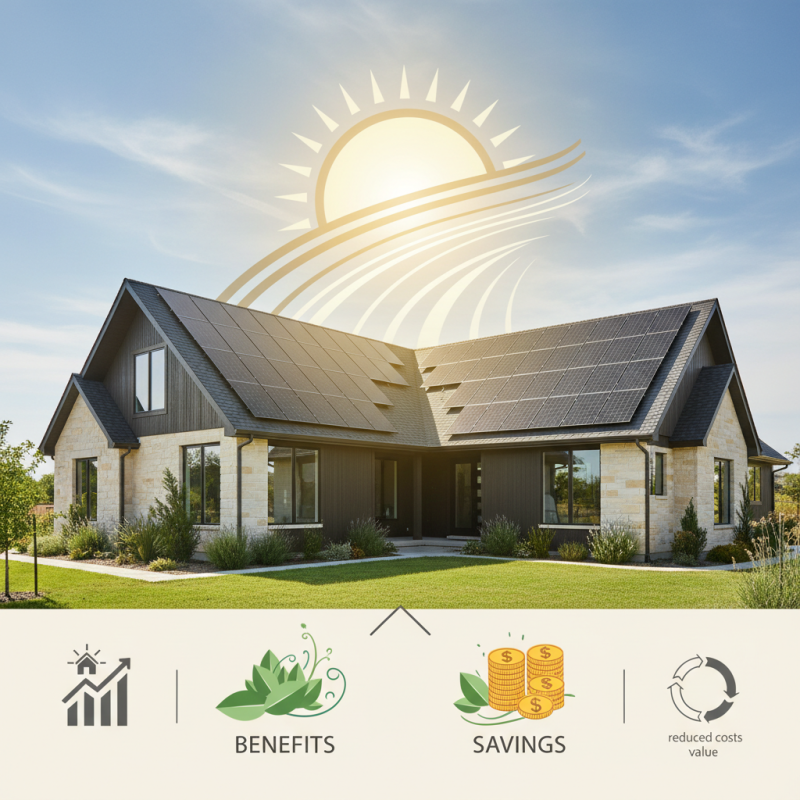
Benefits of Solar Panels: Environmental Impact and Sustainability
Solar panels offer significant benefits, especially in terms of environmental sustainability. By harnessing sunlight, they reduce reliance on fossil fuels. This transition leads to lower greenhouse gas emissions. As a result, air quality improves, benefiting both health and the planet. Homes equipped with solar panels contribute to a cleaner environment. They also promote energy independence, reducing vulnerability to rising electricity costs.
Tip: Consider installing your panels in a location with maximum sunlight exposure. This ensures higher energy production and better savings.
Moreover, the sustainability aspect of solar energy cannot be overlooked. Solar panels have a long lifespan, often lasting over 25 years. They produce energy without depleting natural resources. However, choosing the right materials and installation processes is crucial. Not all solar panels are created equal, and some may have a larger environmental footprint than others.
Tip: Research the environmental impact of different solar panel manufacturers. Ensure you're making an informed choice that aligns with your sustainability goals.
Financial Savings: Analyzing Costs vs. Long-Term Benefits
The decision to install solar panels for your home can lead to significant financial savings over time. According to the U.S. Department of Energy, homeowners can save approximately $10,000 to $30,000 over the lifespan of their solar system. This figure can vary based on your location, system size, and energy usage. For many, the initial investment can seem daunting. Yet, installing solar panels can reduce or even eliminate your monthly electricity bills, leading to long-term financial benefits.
A recent study from the National Renewable Energy Laboratory indicates that solar energy systems can also increase home value. Homes with solar panels sell for about 4% more than those without. However, the return on investment is not always immediate. Factors like installation costs, maintenance, and fluctuating energy prices complicate calculations. Owners must weigh these elements when considering solar energy, reflecting on their unique circumstances. The right choice hinges on location, energy needs, and financial goals. Many find joy in contributing to renewable energy, but it does require a careful evaluation of long-term benefits against upfront costs.
Government Incentives and Tax Credits for Solar Energy Adoption
Government incentives and tax credits can make solar energy more accessible and affordable. Many homeowners are unaware of the financial benefits tied to installing solar panels. These incentives significantly reduce upfront costs. For instance, the federal solar tax credit allows homeowners to deduct a percentage of their installation costs from their federal taxes. This can lead to substantial savings over time.
In many regions, local governments also offer additional rebates. These can further lower installation expenses. Some states even provide property tax exemptions for solar energy systems. However, navigating these incentives can be complex. Homeowners should research their options thoroughly. Consulting with energy experts or local agencies can help clarify the best available incentives. Yet, awareness of these programs is still lacking among potential adopters. It's critical to stay informed and explore all avenues to maximize savings.
Additionally, the timeline to receive incentives can vary. Some homeowners may not receive immediate refunds. This can be frustrating for those expecting quick relief from costs. It’s essential to plan accordingly and remain patient throughout the process. Despite these potential drawbacks, the long-term benefits of adopting solar energy often outweigh initial hurdles. Investing in solar panels can still lead to significant savings and a reduced carbon footprint.
Energy Independence: Reducing Reliance on Fossil Fuels and Grid Power
By investing in solar panels, homeowners can significantly reduce their reliance on fossil fuels and grid power. According to a report from the International Renewable Energy Agency (IRENA), solar energy could supply up to 30% of the world’s electricity demand by 2030. This shift not only fosters energy independence but also mitigates the impacts of climate change.
Solar panels generate clean energy that lessens dependence on non-renewable resources. Homeowners can harness sunlight, a free and abundant resource, for their energy needs. Furthermore, as fossil fuel prices fluctuate, solar offers a stable alternative. This stability means homeowners can potentially save thousands over time. For instance, studies show that installing solar panels can lead to savings of around $20,000 over 20 years.
Tips: Consider your local solar incentives. Many states offer tax breaks that boost savings. Also, assess your home’s roof space and sunlight exposure. Not every home is ideal for solar, so understanding your unique situation is critical. If installation is not feasible, community solar programs may be an option. Such alternatives can provide access to solar benefits without the need for roof space.
Increased Home Value: The Market Trends of Solar-Equipped Properties
Installing solar panels can significantly increase your home's value. Properties equipped with solar technology attract more buyers. They are often seen as modern and eco-friendly. This trend is evident in many real estate markets. Homes with solar panels sell faster and at better prices.
Tips: Consider getting a professional energy audit. This can help you understand your energy needs better. It ensures your solar system is proportionate to your home. Research local incentives. Many areas offer programs that lower installation costs.
Another thing to reflect on is maintenance. Solar panels require cleaning and occasional checks. Neglecting this might lead to decreased efficiency. Evaluate your long-term commitment to these systems. If you plan to move, think about how potential buyers will perceive your solar investment.