What is a Beer Making Machine and How Does It Work?
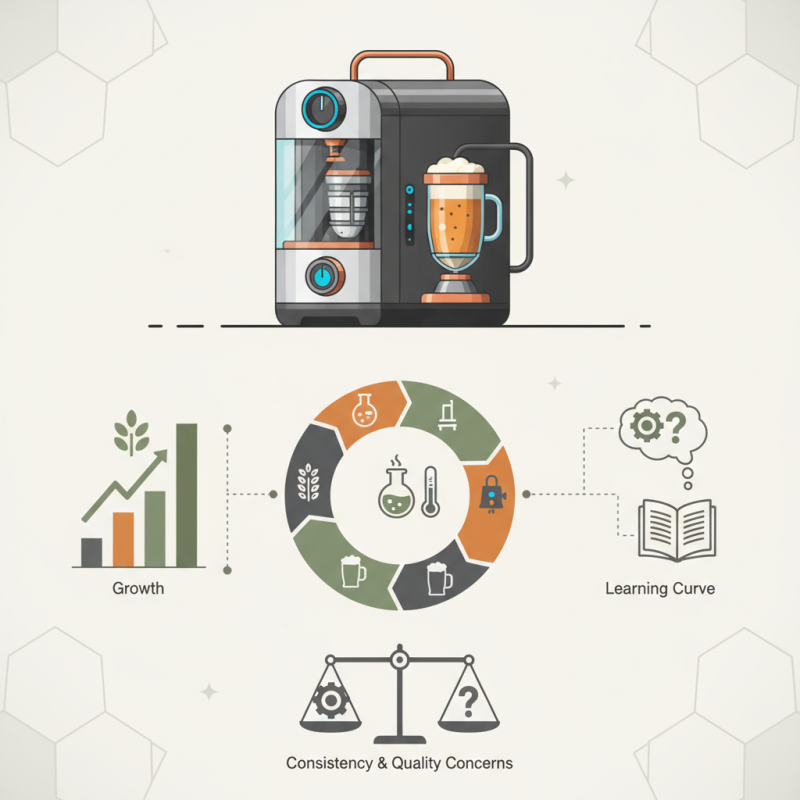
The craft beer industry has witnessed unprecedented growth in recent years, with the global market expected to reach over $500 billion by 2025. Central to this revolution is the Beer Making Machine, a device that enables enthusiasts and small breweries to craft high-quality beer at home or on a commercial scale. According to industry expert Michael Kearney, "The Beer Making Machine empowers anyone to create unique flavors and experiments in brewing."
Such machines offer precision in temperature control and fermentation, essential for brewing. An intriguing aspect often overlooked is the learning curve associated with using these machines. Many users find themselves grappling with settings and ingredients. This challenge can deter beginners, highlighting a need for better user education.
Amidst the rising popularity, there are valid concerns regarding consistency and quality. Some brewers encounter issues that stem from the machine's mechanics rather than the ingredients themselves. Thus, the Beer Making Machine is both an innovative tool and a source of reflection for brewers seeking perfection.
What is a Beer Making Machine?
A beer making machine is a device designed to simplify home brewing. It allows enthusiasts to craft beer with precision and ease. This appliance typically automates the brewing process, controlling temperature, timing, and ingredients with remarkable accuracy. According to the Brewer’s Association, around 7,000 breweries operated in the U.S. as of 2023, indicating a growing interest in craft beer and home brewing.
These machines often feature user-friendly interfaces. They guide users through each brewing step. Most models include automated processes for mashing, boiling, and fermentation. For instance, some machines come with built-in sensors to monitor temperature fluctuations. However, even the best machines may require some trial and error. Adjusting ingredient quantities can significantly affect the final flavor.
Tips: Always clean your machine thoroughly after use. Residue can impact future brews. Experiment with various ingredients, but take notes. This practice will help you refine your unique recipes. Don’t rush through the brewing process; patience is key for achieving the best results.
Key Components of a Beer Making Machine
A beer making machine consists of several key components that work together to brew beer efficiently. The primary parts include the mash tun, boiling kettle, fermentation tank, and cooling system. These elements allow hobbyists and professionals alike to create a variety of beer styles with precision.
The mash tun is where grains are combined with hot water. This process converts starches into fermentable sugars. Reports show that, on average, a well-calibrated mash tun can improve efficiency by up to 5%. Next, the boiling kettle heats the mixture, sterilizing it while adding hops for flavor. This step is critical; incorrect temperatures can result in unwanted flavors.
After boiling, the liquid, now called wort, enters the fermentation tank. Here, yeast is added, converting sugars into alcohol. Fermentation typically lasts one to two weeks, but some styles may take longer. Cooling systems help maintain optimal temperatures, essential for yeast health. The combination of these components allows for a controlled brewing environment. However, brewers must test and adjust their processes regularly. Consistency is challenging, and even minor changes can lead to different outcomes. Each component's quality and maintenance directly affect the final product.
Step-by-Step Process of Beer Brewing
Brewing beer at home can be a rewarding experience. A beer-making machine simplifies this process. It automates key steps, ensuring consistent results.
The brewing process begins with mashing. Here, crushed grains mix with hot water. This activates enzymes that convert starches into sugars. After mashing, the mixture is boiled. Hops are added during boiling to impart bitterness and aroma. Timing is essential here. Remember, overcooking can ruin flavor.
Next comes fermentation. Yeast is added, transforming sugars into alcohol. Fermentation usually lasts one to two weeks. It's important to maintain the right temperature. Too hot or too cold can affect the final taste.
Tips: Always sanitize your equipment to prevent contamination. Even minor impurities can spoil your beer. Taste your brew at different stages; it’s a wonderful way to learn. Reflect on each batch. What worked well? What could be improved? Each brew is a unique opportunity for growth.
Types of Beer Making Machines Available
When considering home brewing, a variety of beer making machines are available to suit different preferences and skill levels. These machines range from simple kits, which are perfect for beginners, to advanced systems designed for experienced brewers. Each type has its unique features.
Manual brewing kits are popular among hobbyists. They require hands-on involvement, allowing users to feel every stage of the brewing process. This engagement can be rewarding, though it may lead to inconsistency if not monitored closely. They are often less expensive, making them an approachable option for newcomers.
On the other hand, automated machines offer convenience. They streamline the brewing process, often with preset programs for different beer styles. This can save time but may compromise the personal touch that many brewers cherish. Some find these machines overwhelming due to their complexity. Ultimately, the choice of machine heavily depends on individual preferences and brewing experiences.
Advantages of Using a Beer Making Machine
Beer making machines have revolutionized the home brewing experience. These devices simplify the process of crafting beer at home. With user-friendly interfaces, they allow enthusiasts to produce various styles of beer with minimal effort. The technology often automates key steps, from mashing to fermentation, ensuring consistency with every batch.
One significant advantage is time-saving. Traditional home brewing can take hours, while machines do much of the work for you. They often include built-in timers and sensors that monitor temperatures and sugar levels. This makes it easier for beginners to try their hand at brewing without feeling overwhelmed. However, it is essential to note that achieving the perfect brew still requires learning and practice.
These machines can also help conserve space in smaller kitchens. Many models are compact and designed to fit neatly on countertops. They come with easy-to-clean components, which can make the overall brewing experience more enjoyable. Yet, for some, reliance on machines may limit creativity. Crafting beer manually allows for more experimentation. Each method has unique merits, and the choice ultimately depends on the brewer's goals and preferences.
Advantages of Using a Beer Making Machine
